


 Advertise



- Nidhi Kolhapur
 Nidhi Kolhapur
Nidhi is a Certified Digital Marketing Executive and Passionate crypto Journalist covering the world of alternative currencies. She shares the latest and trending news on Cryptocurrency and Blockchain.
- Reviewed by:
 Sohrab Khawas
Sohrab is a passionate cryptocurrency news writer with over five years of experience covering the industry. He keeps a keen interest in blockchain technology and its potential to revolutionize finance. Whether he's trading or writing, Sohrab always keeps his finger on the pulse of the crypto world, using his expertise to deliver informative and engaging articles that educate and inspire. When he's not analyzing the markets, Sohrab indulges in his hobbies of graphic design, minimal design or listening to his favorite hip-hop tunes.
- Jan 13, 2026 07:11 UTC
-


US Senate Unveils Crypto Market Structure Draft Bill
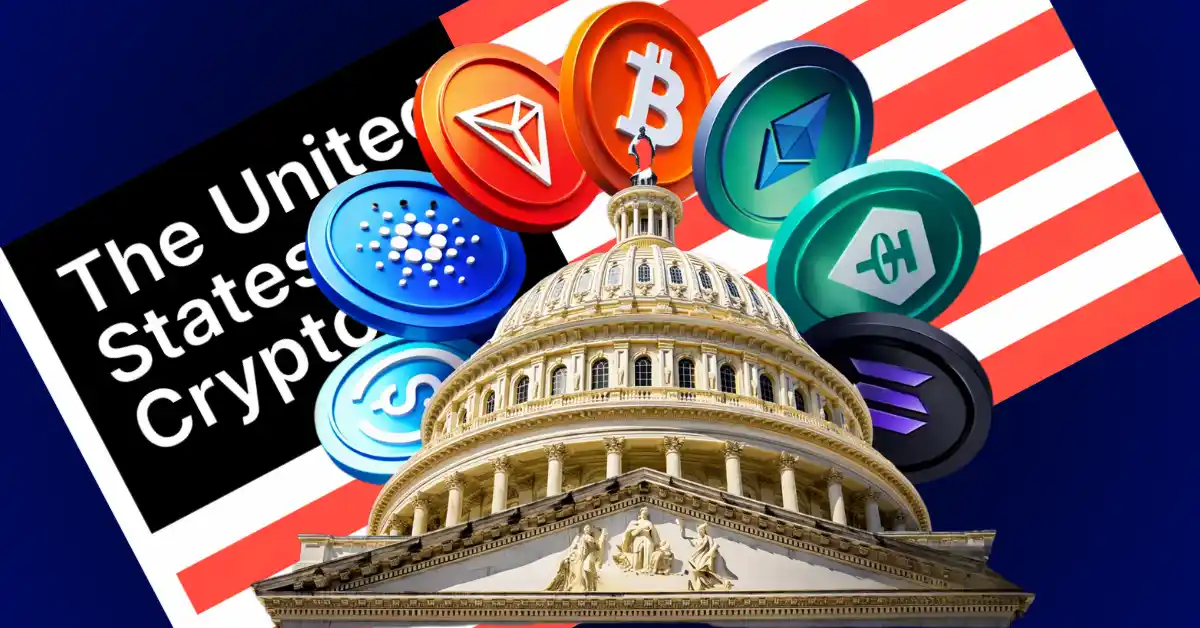
Sen. Cynthia Lummis unveils the Digital Asset Market Clarity Act, aiming to define SEC and CFTC roles and bring long-awaited regulatory certainty to crypto.
The draft bill proposes stablecoin limits, DeFi developer protections, and new “network token” rules, potentially reshaping U.S. crypto markets and innovation.
The US Senate Cynthia Lummis has unveiled a draft bill aimed at setting clear rules for the crypto market. The proposal is an amendment to H.R. 3633 and is titled the Digital Asset Market Clarity Act. The bill is expected to be marked up on January 15, 2026.
If passed, the legislation could reduce regulatory confusion, improve transparency, and bring more confidence to crypto markets. For traders and investors, this could mean clearer rules and fewer sudden enforcement actions, which may help support long-term institutional participation in assets like Bitcoin and Ethereum.
What’s Inside the Draft Crypto Market Structure Bill
The bill explains how digital assets should be overseen by the Securities and Exchange Commission (SEC) and the Commodity Futures Trading Commission (CFTC). It aims to reduce overlap between agencies and provide a standard framework for how crypto assets are issued, traded, and disclosed.
Supporters say this clarity could limit market manipulation and create a more stable environment for both retail and institutional investors.
Stablecoin Rules Explained
One of the key provisions focuses on payment stablecoins. The bill bans companies from offering interest or yield simply for holding stablecoins. This means users would not earn returns just by keeping stablecoins in their wallets.
However, the draft allows activity-based rewards, including incentives tied to payments, transfers, wallet usage, loyalty programs, or platform participation.
DeFi and Developer Protections
The bill includes the Blockchain Regulatory Certainty Act, which provides protections for blockchain developers who do not control user funds. Developers who only create or maintain software would not be treated the same as financial intermediaries.
This section aims to protect non-controlling developers while still allowing oversight where companies actively manage or move user assets.
- Also Read :
- Trump-Backed World Liberty Financial Launches World Liberty Markets, Debuts DeFi Web App For USD1
- ,
How the Bill Treats Crypto Assets
The draft introduces the term “network tokens,” also referred to as ancillary assets. These are tokens whose value depends on the work of a project team. Under the bill, such tokens may be treated as non-securities, including when they are part of exchange-traded products.
This classification could affect well-known tokens such as XRP and Solana, depending on how the final rules are applied.
Community Reaction
Supporters of the bill say it could help make the United States a global hub for crypto innovation while improving investor protection. Senate sponsors argue the proposal balances growth with accountability.
However, critics, including Senator Elizabeth Warren, have raised concerns that the bill could weaken the SEC’s authority. She has warned about possible risks to retirement funds and pointed to what she describes as a “tokenization loophole.”
Several issues remain unresolved, including ethics-related concerns and details around stablecoin oversight. The bill is still unfinished and could change before any final vote.
Never Miss a Beat in the Crypto World!
Stay ahead with breaking news, expert analysis, and real-time updates on the latest trends in Bitcoin, altcoins, DeFi, NFTs, and more.
FAQs
It’s a draft U.S. bill that defines how crypto assets are regulated, clarifying SEC and CFTC roles to reduce confusion and improve market confidence.
If enacted, projects may have clearer disclosure paths and compliance expectations at launch. This could reduce legal risk for startups and encourage more crypto development to stay within the U.S. instead of moving offshore.
Crypto exchanges, stablecoin issuers, and institutional investors would likely adjust compliance and product strategies early. Retail users may notice changes later through clearer disclosures, token listings, or reward structures.
Trust with CoinPedia:
CoinPedia has been delivering accurate and timely cryptocurrency and blockchain updates since 2017. All content is created by our expert panel of analysts and journalists, following strict Editorial Guidelines based on E-E-A-T (Experience, Expertise, Authoritativeness, Trustworthiness). Every article is fact-checked against reputable sources to ensure accuracy, transparency, and reliability. Our review policy guarantees unbiased evaluations when recommending exchanges, platforms, or tools. We strive to provide timely updates about everything crypto & blockchain, right from startups to industry majors.
Investment Disclaimer:
All opinions and insights shared represent the author's own views on current market conditions. Please do your own research before making investment decisions. Neither the writer nor the publication assumes responsibility for your financial choices.
Sponsored and Advertisements:
Sponsored content and affiliate links may appear on our site. Advertisements are marked clearly, and our editorial content remains entirely independent from our ad partners.

 Yes
Yes  No
No