


 Advertise



Goldman Sachs CEO David Solomon Says He Owns ‘Very Little’ Bitcoin





Nidhi is a Certified Digital Marketing Executive and Passionate crypto Journalist covering the world of alternative currencies. She shares the latest and trending news on Cryptocurrency and Blockchain.


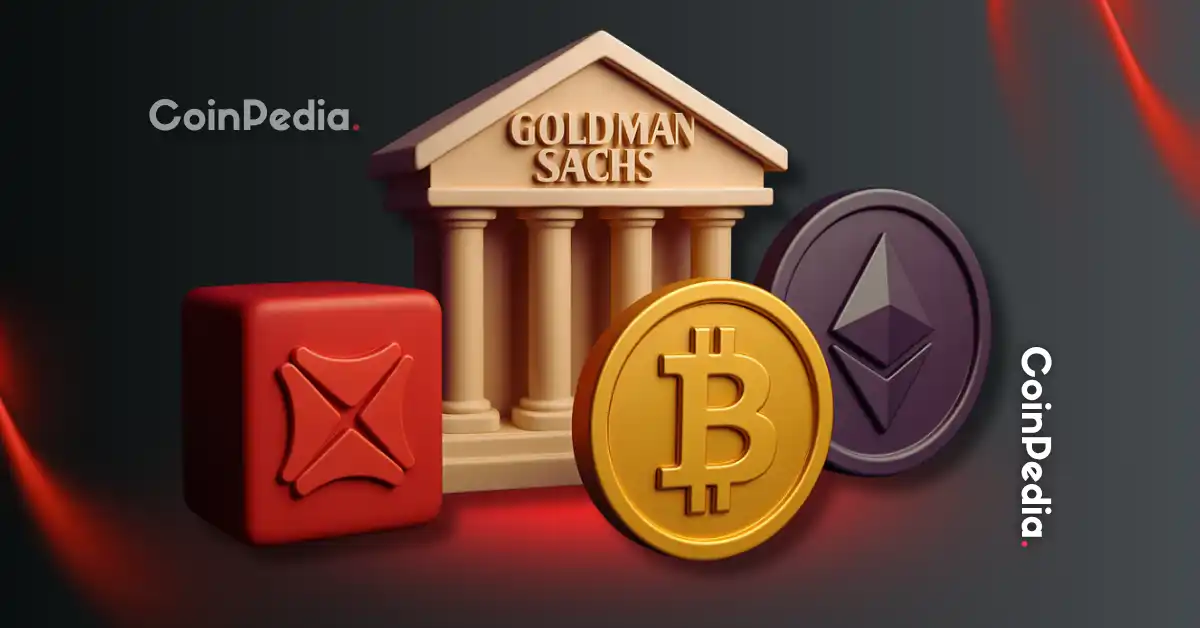
Goldman Sachs CEO David Solomon owns a small amount of Bitcoin, sees it as a store of value, and says clearer crypto regulation is key for growth.
David Solomon says Goldman is cautious on crypto, focusing on tokenization and stablecoins while awaiting clearer U.S. regulations.
Goldman Sachs CEO David Solomon has said that he personally owns a small amount of Bitcoin. Speaking at the World Liberty Forum, he shared that he holds “very little, but some,” and described himself as more of an observer than an active crypto trader.
This is notable because Solomon has previously been cautious about cryptocurrencies. While he is still not fully backing Bitcoin, he did admit that it could work as a store of value, similar to gold, for some investors. At the same time, he pointed out that Bitcoin remains highly volatile, with prices that can move sharply up or down in a short period.
How Goldman Sachs Looks at Crypto
Solomon said he views crypto and traditional finance as part of the same financial development. Instead of heavily investing in cryptocurrencies, Goldman Sachs is more focused on the technology behind them.
One area of interest is tokenization — turning real-world assets like stocks, bonds, or real estate into digital tokens on a blockchain. This could help make trading quicker and more efficient. The bank is also looking into stablecoins, which are digital currencies tied to assets like the U.S. dollar to reduce price swings.

However, Goldman is moving carefully. Reports indicate that the bank recently reduced its holdings in spot crypto ETFs. This suggests that while it is exploring opportunities, it is not making large bets in the sector.
- Also Read :
- Retail Money Rotates to New Altcoins — Caleb & Brown Names Canton, Hyperliquid as Top Buys
- ,
Regulation Remains Key
Regulation was a major part of Solomon’s comments. He said that heavy regulation over the past few years has slowed capital growth in financial markets. In his view, overregulating crypto could also hold back innovation. Still, he made it clear that crypto companies must follow proper legal guidelines.
He also noted that the regulatory environment in the U.S. may be improving under President Donald Trump’s administration, which has taken a more supportive stance toward crypto. Solomon mentioned the proposed CLARITY Act, a bill aimed at creating a clear national framework for digital assets.
What It Means for Investors
Solomon’s remarks show that large Wall Street firms are gradually becoming more open to crypto, though cautiously. His recognition of Bitcoin as a possible store of value signals a shift in tone.
Even so, Goldman’s future involvement in crypto will likely depend on clearer and more stable regulations. If rules become more defined, the bank may expand its role in digital asset markets beyond just exploring blockchain technology.
Never Miss a Beat in the Crypto World!
Stay ahead with breaking news, expert analysis, and real-time updates on the latest trends in Bitcoin, altcoins, DeFi, NFTs, and more.
FAQs
Clear federal rules could reduce legal uncertainty and compliance risk, making it easier for large banks to expand crypto services. This may include custody, trading, or tokenized asset platforms if oversight becomes more predictable.
Tokenization can improve settlement speed, reduce costs, and increase market efficiency within existing financial systems. For banks, this offers practical infrastructure upgrades without taking on high price volatility risk.
Greater participation from regulated institutions can deepen liquidity and improve market structure. Over time, this may reduce extreme volatility, though price swings would likely remain.
Ongoing regulatory uncertainty, capital requirements, and compliance risks remain key barriers. Market volatility and reputational concerns may also limit aggressive expansion by major firms.
Was this writing helpful?

Trust with CoinPedia:
CoinPedia has been delivering accurate and timely cryptocurrency and blockchain updates since 2017. All content is created by our expert panel of analysts and journalists, following strict Editorial Guidelines based on E-E-A-T (Experience, Expertise, Authoritativeness, Trustworthiness). Every article is fact-checked against reputable sources to ensure accuracy, transparency, and reliability. Our review policy guarantees unbiased evaluations when recommending exchanges, platforms, or tools. We strive to provide timely updates about everything crypto & blockchain, right from startups to industry majors.
Investment Disclaimer:
All opinions and insights shared represent the author's own views on current market conditions. Please do your own research before making investment decisions. Neither the writer nor the publication assumes responsibility for your financial choices.
Sponsored and Advertisements:
Sponsored content and affiliate links may appear on our site. Advertisements are marked clearly, and our editorial content remains entirely independent from our ad partners.