

 Advertise



- Anjali Belgaumkar
 Anjali Belgaumkar
Writer by choice, CryptoCurrency Writer, and Researcher by chance. Currently, focusing on financial news and analysis, as well as cryptocurrency news and data. One may not call me a crypto “Enthusiast” but trust me I'm getting there.
- Reviewed by:
 Qadir AK
Qadir Ak is the founder of Coinpedia. He has over a decade of experience writing about technology and has been covering the blockchain and cryptocurrency space since 2010. He has also interviewed a few prominent experts within the cryptocurrency space.
- Jan 13, 2026 06:48 UTC
-


Why Iran’s Currency Collapse to ‘Zero’ Could Push Bitcoin Back Above $100K
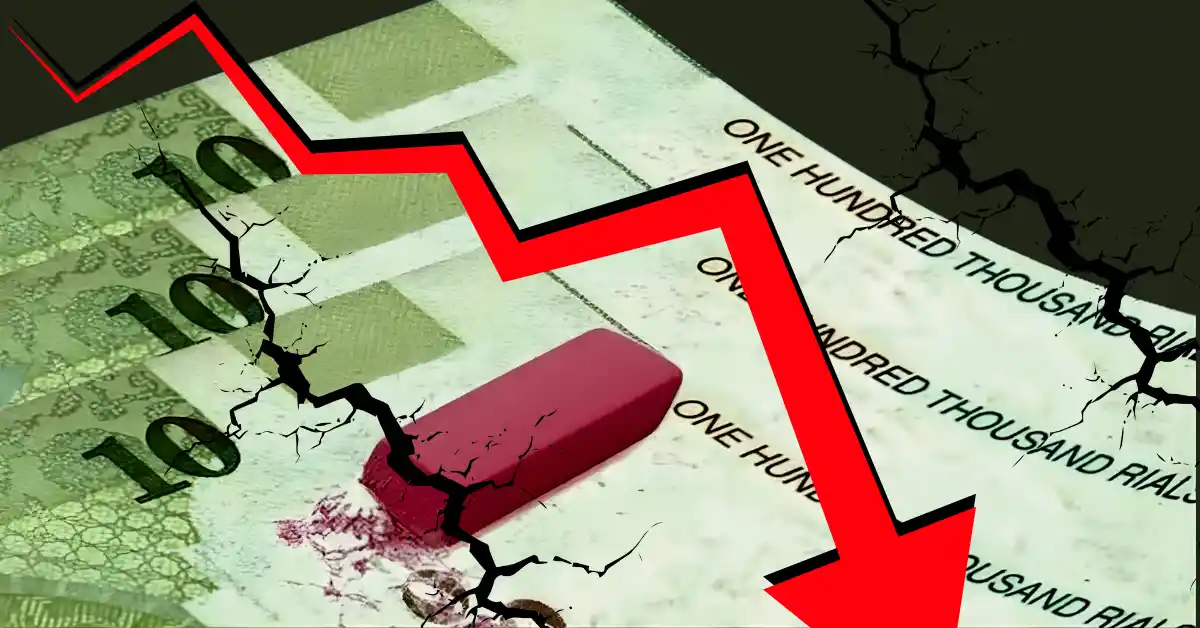
Iran currency collapse shows how inflation, sanctions, and loss of trust in fiat money push households toward alternatives like Bitcoin during crises.
As the Iran rial weakens, global markets watch closely, highlighting a broader trend where fiat currency stress fuels interest in crypto assets.
Iran’s national currency, the rial, has fallen to levels many citizens describe as practically worthless. The collapse is not the result of a single event. Economists say it reflects years of high inflation, weak growth, sanctions, and limited access to foreign currency. What is failing now is something more fundamental: trust in money itself.
As the rial loses purchasing power, the crisis is reigniting global discussions around alternatives such as Bitcoin — not as an endorsement, but as a reflection of how people behave when confidence in fiat money breaks down.
A Slow Breakdown of Confidence
In Iran, inflation has eaten into wages for years, while sanctions restricted oil revenues and cut the country off from much of the global banking system. Official exchange rates no longer reflect reality, forcing businesses to rely on informal dollar pricing.
Households respond defensively. Many try to convert their salaries into dollars, gold, or durable goods as soon as they are paid. This behavior accelerates the decline of the rial, creating a feedback loop: the less people trust the currency, the faster they abandon it.
This is a common pattern in currency collapses worldwide.
Why Bitcoin Enters the Conversation During Currency Crises
When trust in a national currency erodes, public debate often widens to include financial alternatives. In Iran, that debate has increasingly mentioned Bitcoin and stablecoins because they operate outside domestic banking systems.
This does not mean they are safe or suitable for everyone. Volatility, regulatory risks, uneven access to technology, and legal uncertainty remain major barriers. But during periods of severe monetary stress, people tend to look at all available options, even imperfect ones.
Iran’s situation fits a broader historical pattern.
- Also Read :
- US CPI Today [LIVE] Updates
- ,
Lessons From Past Financial Crises
Similar discussions emerged during earlier crises:
- In 2013, a banking crisis in Cyprus led to government seizures of large bank deposits. Fear of losing savings pushed people to explore alternatives outside traditional banks. Bitcoin hit a record high of almost $147 in 2013 during this crisis.
- In countries such as Argentina, Lebanon, and Turkey, repeated currency devaluations brought cryptocurrencies into public discussion.
In each case, interest in digital assets rose alongside fear — though outcomes varied widely and risks remained high.
Why Markets Watch Iran Closely
Iran’s currency collapse alone is unlikely to determine Bitcoin’s price direction. However, it contributes to a larger global theme that investors track: fiat currency stress.
Currently, Iran is facing:
- A sharp decline in its national currency
- Rising economic hardship
- Social unrest and protests
- Tighter financial and communication controls
Historically, these conditions have coincided with increased attention toward non-traditional financial tools, not because they are ideal, but because confidence in existing systems weakens.
Never Miss a Beat in the Crypto World!
Stay ahead with breaking news, expert analysis, and real-time updates on the latest trends in Bitcoin, altcoins, DeFi, NFTs, and more.
FAQs
The rial is weakening due to years of high inflation, sanctions, weak growth, and limited access to foreign currency, which have steadily eroded public trust.
High inflation reduces purchasing power, forcing households to spend quickly or convert wages into dollars, gold, or goods to preserve value.
Neighboring countries and emerging markets may monitor Iran for lessons on inflation control and crisis management. Policymakers may adjust currency stabilization strategies to prevent similar trust breakdowns.
Households with limited savings and small businesses face the biggest impact. Many try to preserve wealth by converting cash into foreign currency, gold, or durable goods, though this carries financial and legal risks.
Trust with CoinPedia:
CoinPedia has been delivering accurate and timely cryptocurrency and blockchain updates since 2017. All content is created by our expert panel of analysts and journalists, following strict Editorial Guidelines based on E-E-A-T (Experience, Expertise, Authoritativeness, Trustworthiness). Every article is fact-checked against reputable sources to ensure accuracy, transparency, and reliability. Our review policy guarantees unbiased evaluations when recommending exchanges, platforms, or tools. We strive to provide timely updates about everything crypto & blockchain, right from startups to industry majors.
Investment Disclaimer:
All opinions and insights shared represent the author's own views on current market conditions. Please do your own research before making investment decisions. Neither the writer nor the publication assumes responsibility for your financial choices.
Sponsored and Advertisements:
Sponsored content and affiliate links may appear on our site. Advertisements are marked clearly, and our editorial content remains entirely independent from our ad partners.

 Yes
Yes  No
No