

 Advertise



- Debashree Patra
 Debashree Patra
- Reviewed by:
 Qadir AK
Qadir Ak is the founder of Coinpedia. He has over a decade of experience writing about technology and has been covering the blockchain and cryptocurrency space since 2010. He has also interviewed a few prominent experts within the cryptocurrency space.
- Dec 05, 2025 06:56 UTC
-


CertiK Says US Crypto Regulation Is Now Clearer Under New Federal Rules
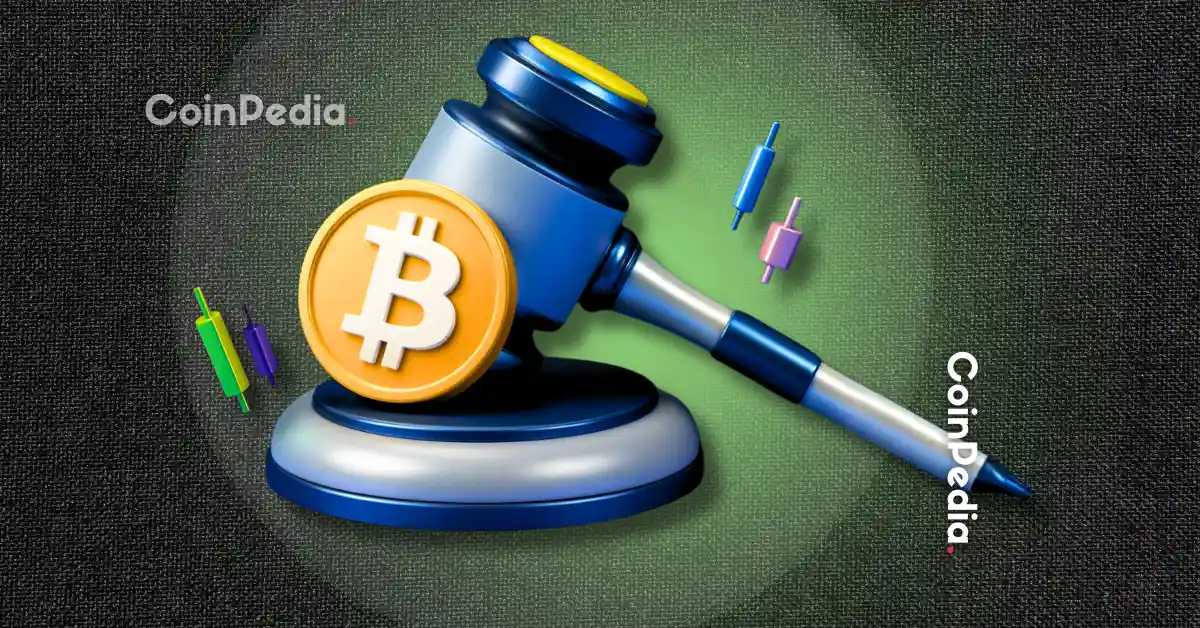
U.S. crypto regulation 2025 strengthens with the GENIUS Act, CLARITY Act, and new stablecoin rules, giving banks and crypto firms a clearer, unified digital asset framework.
States expand crypto licensing as federal reforms reshape custody, stablecoins, and compliance—boosting adoption of Permissioned Digital Assets under the U.S. regulatory shift.
CertiK’s latest U.S. Digital Asset Policy Report shows that 2025 marked a major turning point for crypto regulation in the United States. A series of federal actions finally provided the industry with its most straightforward rulebook yet, pushing the sector from years of uncertainty toward a more structured compliance environment. This shift is changing how banks, custodians, and crypto companies operate.
A Clear Three-Pillar Federal Framework
The regulatory progress centers on three developments: the GENIUS Act, the CLARITY Act, and the SEC’s decision to withdraw Staff Accounting Bulletin 121. Together, these measures form the core of a new national framework for digital assets.
The updated rules outline how stablecoins must be backed and redeemed, give clearer definitions for different types of digital tokens, and set standards for when institutions can legally offer crypto custody services.
For major banks and trust companies, this means less confusion and more predictable oversight. CertiK notes that firms entering the custody business now have clearer expectations, while stablecoin issuers must follow uniform requirements for reserves and operations.
States Add Their Own Rules
Even as federal regulation strengthens, states are continuing to build their own digital asset rules. CertiK highlights that more states are introducing licensing systems, cybersecurity standards, and anti–anti-money-laundering requirements. Although each state differs, the overall direction is toward a more consistent compliance baseline for companies operating nationwide.
The report also points to rapid advances in blockchain analytics and smarter code-auditing tools, which are becoming increasingly important as smart contracts handle more financial activity.
Permissioned Digital Assets Gain Traction
CertiK’s review finds that traditional financial institutions are showing growing interest in Permissioned Digital Assets, blockchain-based instruments designed to operate fully within regulatory standards.
With liquidity now splitting between major regulatory regions like the U.S. and Europe under MiCA, companies that can operate across different rulebooks and build compliant infrastructure in multiple jurisdictions are likely to gain a competitive advantage.
Never Miss a Beat in the Crypto World!
Stay ahead with breaking news, expert analysis, and real-time updates on the latest trends in Bitcoin, altcoins, DeFi, NFTs, and more.
FAQs
As of 2025, U.S. crypto regulation relies on the GENIUS and CLARITY Acts, federal stablecoin & custody rules, plus state-level licensing and compliance layers.
Not all, but many must follow new federal standards, while states require licenses and strong cybersecurity for operating legally.
The U.S. uses a mix of federal acts and state laws, while Europe’s MiCA offers one unified rulebook. Both aim for safer, more transparent markets.
Trust with CoinPedia:
CoinPedia has been delivering accurate and timely cryptocurrency and blockchain updates since 2017. All content is created by our expert panel of analysts and journalists, following strict Editorial Guidelines based on E-E-A-T (Experience, Expertise, Authoritativeness, Trustworthiness). Every article is fact-checked against reputable sources to ensure accuracy, transparency, and reliability. Our review policy guarantees unbiased evaluations when recommending exchanges, platforms, or tools. We strive to provide timely updates about everything crypto & blockchain, right from startups to industry majors.
Investment Disclaimer:
All opinions and insights shared represent the author's own views on current market conditions. Please do your own research before making investment decisions. Neither the writer nor the publication assumes responsibility for your financial choices.
Sponsored and Advertisements:
Sponsored content and affiliate links may appear on our site. Advertisements are marked clearly, and our editorial content remains entirely independent from our ad partners.

 Yes
Yes  No
No