


 Advertise



- Rizwan Ansari
 Rizwan Ansari
- Reviewed by:
 Qadir AK
Qadir Ak is the founder of Coinpedia. He has over a decade of experience writing about technology and has been covering the blockchain and cryptocurrency space since 2010. He has also interviewed a few prominent experts within the cryptocurrency space.
- Feb 28, 2026 07:22 UTC
-


Bitcoin Price Drops to $65K After BlackRock Bitcoin ETF Sees $32.99M Outflow

BlackRock’s IBIT recorded a $32.99 million outflow as Bitcoin dropped sharply below the $65,000 level.
Despite the outflow, IBIT recently captured over $570 million in inflows within just two days.
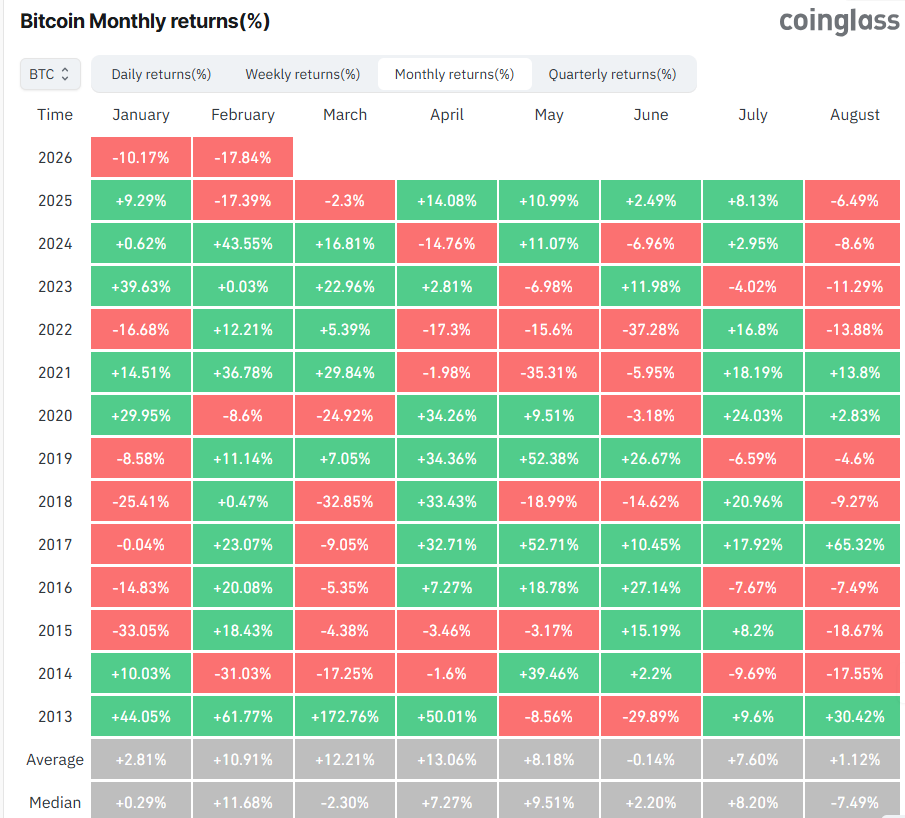
Historical data shows April averages 13% gains, offering hope after volatile February and March trends.
Bitcoin fell sharply below $65,000 today after the latest U.S. Producer Price Index (PPI) came in higher than expected, putting pressure on risk assets. The weak sentiment also hit spot Bitcoin ETFs, which recorded a net outflow of $27.5 million. BlackRock Bitcoin ETF led the outflow with $32.99 million, as BTC erased all its recent gains.
BlackRock’s Bitcoin ETF Records Outflow of $32.99 Million
On February 27, BlackRock’s iShares Bitcoin Trust (IBIT) recorded a net outflow of $32.99 million, equal to roughly 499 BTC. Despite the single-day outflow, IBIT remains the strongest performer among U.S. spot Bitcoin ETFs.
Just one day before the outflow, IBIT attracted $275.8 million in inflows on February 26, following another $297.4 million on February 25. And finally $78.9 million on 24th Feb.
Over those three days alone, U.S. spot Bitcoin ETFs recorded a combined $1.1 billion in net inflows, with IBIT accounting for more than half of that total.
On-chain data shows that IBIT now holds close to 765,000 BTC, valued at more than $50 billion at current prices.
Bitcoin’s Weak February: A Rare Pattern
Adding to concerns, Bitcoin is on track to close February in the RED, down nearly by 17.84%. This follows a January decline of 10.1%, marking the first time in Bitcoin’s history that both January and February have ended with losses.
Historically, when February ends in red, March has often remained weak before markets stabilize.
Last year, in 2025, Bitcoin fell 17.40% in February, dropped another 2.3% in March, and later rebounded in April by 14%.
Similarly, in 2020 and 2014, February losses of 8.6% and 31% were followed by deeper March corrections of 24.9% and 17.25%.
- Also Read :
- Breaking News: U.S and Israel Strikes Iran Trigger Crypto Crash, Bitcoin Drops To $63K
- ,
Will April Trigger the Next Bitcoin Rally?
Despite the current weakness, April historically stands out as one of Bitcoin’s strongest months. Out of 13 trading years, only 5 times April month have closed negatively, with an average gain of around 13%. If this seasonal trend holds, April could mark the beginning of a recovery phase.
For now, all eyes are on the $62,532 level. This zone acted as strong support last week. If Bitcoin falls below it, the next likely test is the $60,000 level.
On the other hand, Bitcoin needs to close this week above $70,000 to confirm the start of a recovery phase. As of now, Bitcoin is trading near $64,912, down about 4% in the past 24 hours.
Never Miss a Beat in the Crypto World!
Stay ahead with breaking news, expert analysis, and real-time updates on the latest trends in Bitcoin, altcoins, DeFi, NFTs, and more.
FAQs
Short-term outflows can pressure price, but strong multi-day inflows show institutional demand remains active overall.
Historically, February can be volatile. When it closes in red, March often stays soft before potential stabilization.
Key support sits near $62,532 and $60,000. A weekly close above $70,000 would strengthen recovery momentum.
Trust with CoinPedia:
CoinPedia has been delivering accurate and timely cryptocurrency and blockchain updates since 2017. All content is created by our expert panel of analysts and journalists, following strict Editorial Guidelines based on E-E-A-T (Experience, Expertise, Authoritativeness, Trustworthiness). Every article is fact-checked against reputable sources to ensure accuracy, transparency, and reliability. Our review policy guarantees unbiased evaluations when recommending exchanges, platforms, or tools. We strive to provide timely updates about everything crypto & blockchain, right from startups to industry majors.
Investment Disclaimer:
All opinions and insights shared represent the author's own views on current market conditions. Please do your own research before making investment decisions. Neither the writer nor the publication assumes responsibility for your financial choices.
Sponsored and Advertisements:
Sponsored content and affiliate links may appear on our site. Advertisements are marked clearly, and our editorial content remains entirely independent from our ad partners.

 Yes
Yes  No
No