



 Advertise



How Cryptocurrency Is Reshaping Digital Payments Beyond Investing



Press release about recent ICOs, announcement from startups, new cryptocurrency launch by firms and unlike.


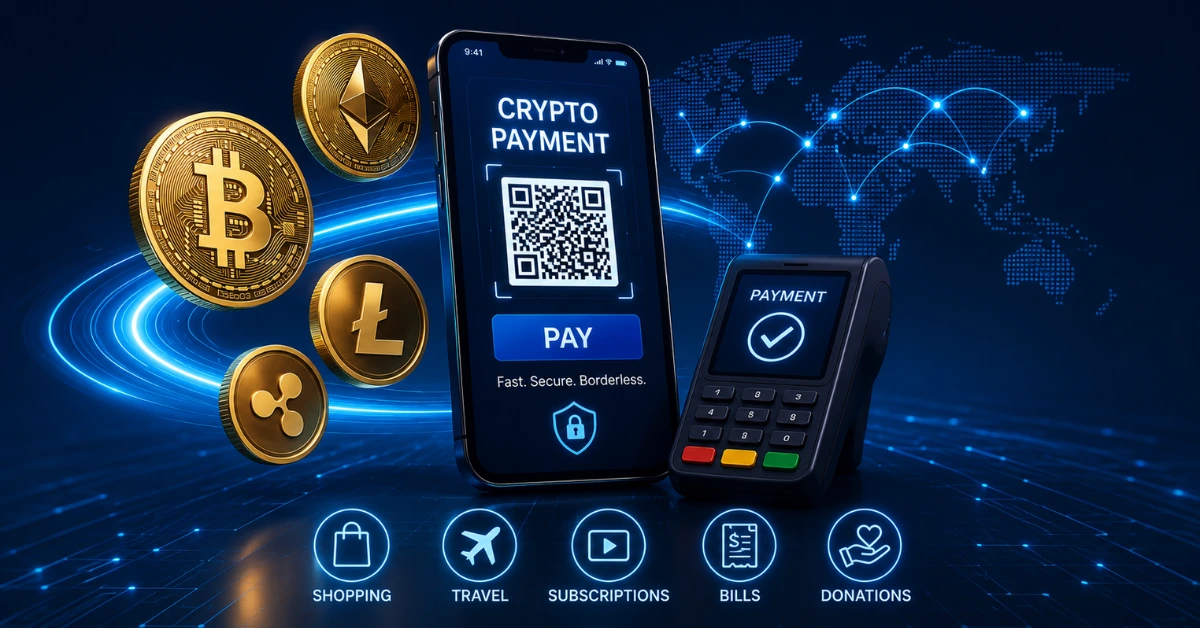
For many people, cryptocurrency is still associated primarily with investing and price speculation. However, blockchain technology has matured significantly over the past decade, and digital assets are increasingly being used for everyday transactions. Companies across industries – from e-commerce and gaming to travel and financial services – are integrating crypto payment solutions into their platforms. Businesses such as Oxibet illustrate how digital payment options are becoming part of the modern online experience, offering users greater flexibility alongside traditional payment methods.
As global adoption continues to rise, cryptocurrencies are gradually shifting from speculative assets to practical financial tools. Faster settlements, lower transaction costs, improved transparency, and borderless accessibility are driving this transformation, making blockchain an increasingly important component of digital commerce.
From Investment Asset to Payment Solution
When Bitcoin launched in 2009, it was largely viewed as an experimental alternative to traditional money.
Today, the ecosystem has expanded to include:

- Bitcoin
- Ethereum
- Stablecoins
- Layer-2 payment networks
- Tokenized assets
- Decentralized finance (DeFi)
While investing remains an important use case, payment adoption is accelerating as infrastructure becomes faster and easier to use.
Businesses now recognize cryptocurrency as another payment option rather than a niche technology.
Faster Cross-Border Transactions
Traditional international payments often involve:
- Multiple intermediaries
- Banking hours
- Currency conversion delays
- Higher processing fees
Blockchain networks can reduce these inefficiencies by allowing value to move directly between participants.
Depending on the network being used, settlement can occur within minutes rather than days.
For businesses operating internationally, faster payments improve cash flow while reducing operational friction.
Stablecoins Are Driving Adoption
One of the biggest developments in digital payments has been the growth of stablecoins.
Unlike cryptocurrencies whose prices fluctuate significantly, stablecoins are designed to maintain relatively stable values by being pegged to assets such as the US dollar.
This makes them more practical for everyday commerce because users can transact without worrying about large price swings.
Stablecoins are increasingly being integrated into:
- Online marketplaces
- Payment gateways
- International payroll
- Remittance services
- Digital subscriptions
Many analysts expect stablecoins to become one of blockchain’s most widely adopted applications.
Lower Transaction Costs
Payment processing fees remain an important consideration for businesses.
Depending on the payment method and geographic region, traditional payment processors may charge substantial fees for each transaction.
Blockchain-based payments can reduce these costs by eliminating several intermediaries involved in payment processing.
Although network fees vary depending on blockchain activity, newer scaling solutions continue improving affordability.
Security and Transparency
Blockchain transactions are recorded on distributed ledgers that provide transparency while maintaining cryptographic security.
Benefits include:
- Immutable transaction records
- Reduced fraud risk
- Improved auditability
- Strong encryption
- Transparent settlement
While users must still protect their wallets and private keys, blockchain infrastructure itself offers significant security advantages compared to many legacy payment systems.
Financial Inclusion
Millions of people worldwide remain underserved by traditional banking systems.
Cryptocurrency allows individuals with internet access to participate in digital commerce without requiring conventional bank accounts.
This creates new opportunities for:
- Freelancers
- Remote workers
- Small businesses
- International entrepreneurs
- Consumers in developing markets
As smartphone adoption continues expanding globally, blockchain-based financial services may reach populations previously excluded from digital finance.
Businesses Continue Expanding Payment Options
Consumer expectations continue evolving.
Many businesses now recognize that offering multiple payment methods improves user convenience.
Modern payment options increasingly include:
- Credit cards
- Digital wallets
- Bank transfers
- Buy Now, Pay Later (BNPL)
- Cryptocurrency
Rather than replacing traditional payment systems, crypto is becoming another option within broader digital payment ecosystems.
Regulation Is Encouraging Growth
Regulatory clarity has become one of the biggest drivers of institutional adoption.
Governments worldwide are introducing frameworks covering:
- Stablecoins
- Digital asset custody
- Consumer protection
- Anti-money laundering
- Tax reporting
Although regulations differ across jurisdictions, greater legal certainty encourages businesses to invest in blockchain infrastructure with increased confidence.
Challenges Still Remain
Despite rapid progress, cryptocurrency payments still face several obstacles.
These include:
- Network congestion
- Regulatory differences
- Wallet usability
- Price volatility for some assets
- Consumer education
Continued innovation will be necessary before blockchain payments become mainstream across every industry.
Looking Ahead
The next generation of payment infrastructure will likely combine traditional finance with blockchain technology rather than replacing one system entirely.
Future developments may include:
- Tokenized real-world assets
- Central Bank Digital Currencies (CBDCs)
- AI-assisted fraud detection
- Faster Layer-2 payment networks
- Cross-chain interoperability
- Programmable payments through smart contracts
As these technologies mature, consumers may interact with blockchain infrastructure without even realizing it operates behind the scenes.
For readers interested in blockchain standards and enterprise adoption, the Ethereum Foundation provides extensive educational resources covering smart contracts, decentralized applications, and blockchain technology.
Conclusion
Cryptocurrency has evolved far beyond its original role as a speculative investment. Faster payments, lower transaction costs, greater transparency, and increasing institutional adoption are positioning blockchain as an important part of the future digital economy.
As businesses continue integrating digital assets into their payment ecosystems, cryptocurrency is becoming less about speculation and more about providing consumers with additional choice, efficiency, and financial flexibility in an increasingly connected world.
Was this writing helpful?

Disclaimer and Risk Warning
The content on Coinpedia's sponsored page is provided by third parties and is intended for promotional purposes. Coinpedia does not endorse, guarantee, or take responsibility for the accuracy, quality, or effectiveness of any services, products, or information presented in these sponsored materials. The inclusion of sponsored content does not imply Coinpedia's approval or support. Readers are advised to exercise due diligence and conduct their research before making decisions or taking action based on the information presented in sponsored content.