 Advertise



XRP News Today: From $36,000 To $8 Million, XRP ETFs Enter Wall Street’s Repo Market



Writer by choice, CryptoCurrency Writer, and Researcher by chance. Currently, focusing on financial news and analysis, as well as cryptocurrency news and data. One may not call me a crypto “Enthusiast” but trust me I'm getting there.


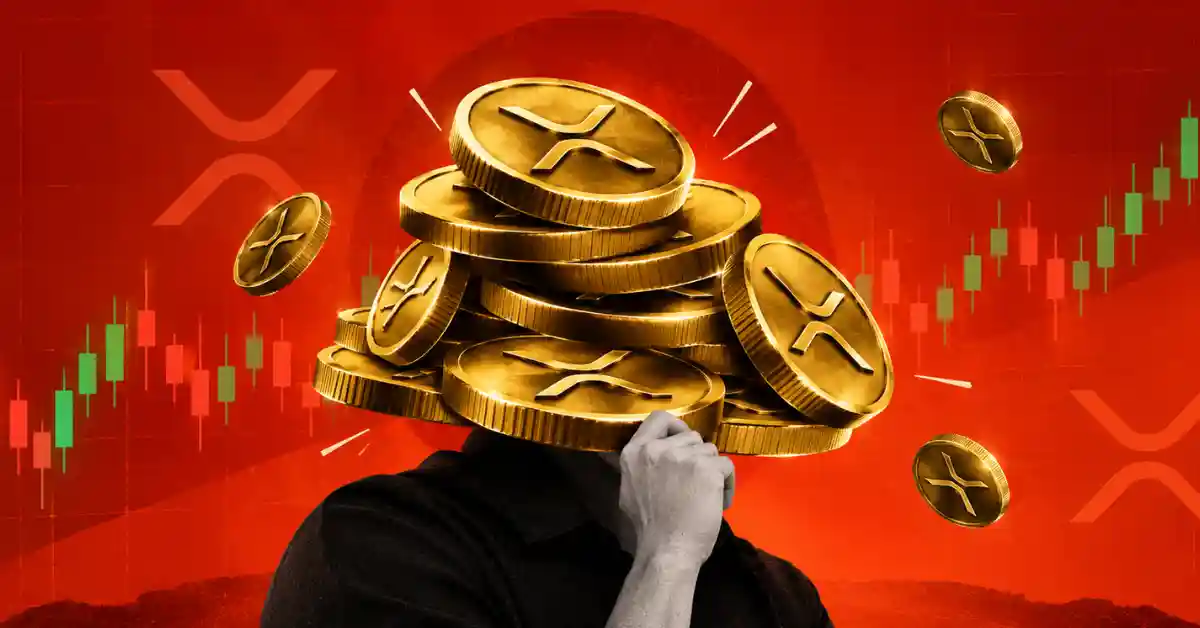
JPMorgan and Bank of America have pledged shares of XRP exchange-traded funds as collateral for short-term loans from a Charles Schwab money market fund. The holdings were identified in regulatory filings reviewed by an analyst. The amounts are still small, but they have grown quickly this year.
The trend comes as BlackRock, the world’s largest asset manager, presses Wall Street to accept tokenized fund shares as collateral in the same way it accepts cash.
What the Schwab Filings Show
Money market funds must file a monthly report with the Securities and Exchange Commission listing their holdings and the collateral backing their loans. One of their main activities is repo lending: a fund lends cash to a bank, usually overnight, and the bank hands over a basket of securities to hold until the cash is repaid.

In the latest report for the Schwab Prime Advantage Money Fund:
- Borrowers: The trading arms of JPMorgan and Bank of America were among the banks borrowing from the fund.
- Collateral: The baskets they posted included shares of four spot XRP ETFs, issued by Grayscale, Canary, Franklin Templeton and Bitwise.
- Schwab’s role: Schwab did not buy XRP or the ETFs. It lent cash, and its fund accepted the XRP ETF shares as part of the security for those loans.
From $36,000 to $8 Million in Four Months
The value of XRP ETF shares in the fund’s collateral has risen sharply:
- April: About $36,000
- June: About $2 million
- End of August: More than $8 million
That is an increase of more than 200 times in four months. It remains a tiny share of the fund’s total lending. Still, it shows that two of the largest US banks held XRP ETF shares they were willing to pledge, and a major fund manager was willing to accept them.
Why Collateral Matters for XRP
An asset that is posted as collateral is locked up. It cannot be sold until the loan or trade it backs is closed. Lenders also apply a “haircut” to volatile assets, counting only part of their value. A borrower seeking $100 against a volatile asset might have to post $150 to $200 of it.
As a result, the more an asset is used as collateral, the more of its supply is held off the market. That kind of demand behaves differently from trading demand: traders buy and sell, while collateral holders need to keep the asset for as long as they do business.
A Three-Step Path for XRP
The analyst set out three stages for XRP’s possible role in collateral markets:
- XRP ETF shares in collateral baskets: Already happening, as the Schwab filings show.
- XRP itself accepted by regulated firms: Ripple has said it is testing a way for XRP to back short-term loans to payment companies, with a launch targeted for next year.
- XRP as a bridge between collateral types: On-chain collateral may need to move quickly between assets and currencies. For example, a fund could post tokenized Treasuries in New York, owe euros in London and settle in yen in Tokyo on the same night. XRP was designed to bridge transfers like these without waiting for banks to open.
Was this writing helpful?

Trust with CoinPedia:
CoinPedia has been delivering accurate and timely cryptocurrency and blockchain updates since 2017. All content is created by our expert panel of analysts and journalists, following strict Editorial Guidelines based on E-E-A-T (Experience, Expertise, Authoritativeness, Trustworthiness). Every article is fact-checked against reputable sources to ensure accuracy, transparency, and reliability. Our review policy guarantees unbiased evaluations when recommending exchanges, platforms, or tools. We strive to provide timely updates about everything crypto & blockchain, right from startups to industry majors.
Investment Disclaimer:
All opinions and insights shared represent the author's own views on current market conditions. Please do your own research before making investment decisions. Neither the writer nor the publication assumes responsibility for your financial choices.
Sponsored and Advertisements:
Sponsored content and affiliate links may appear on our site. Advertisements are marked clearly, and our editorial content remains entirely independent from our ad partners.