 Advertise



US Midterm Elections 2026: 3 Market Risks Investors Should Watch as Democrats Lead in Prediction Markets


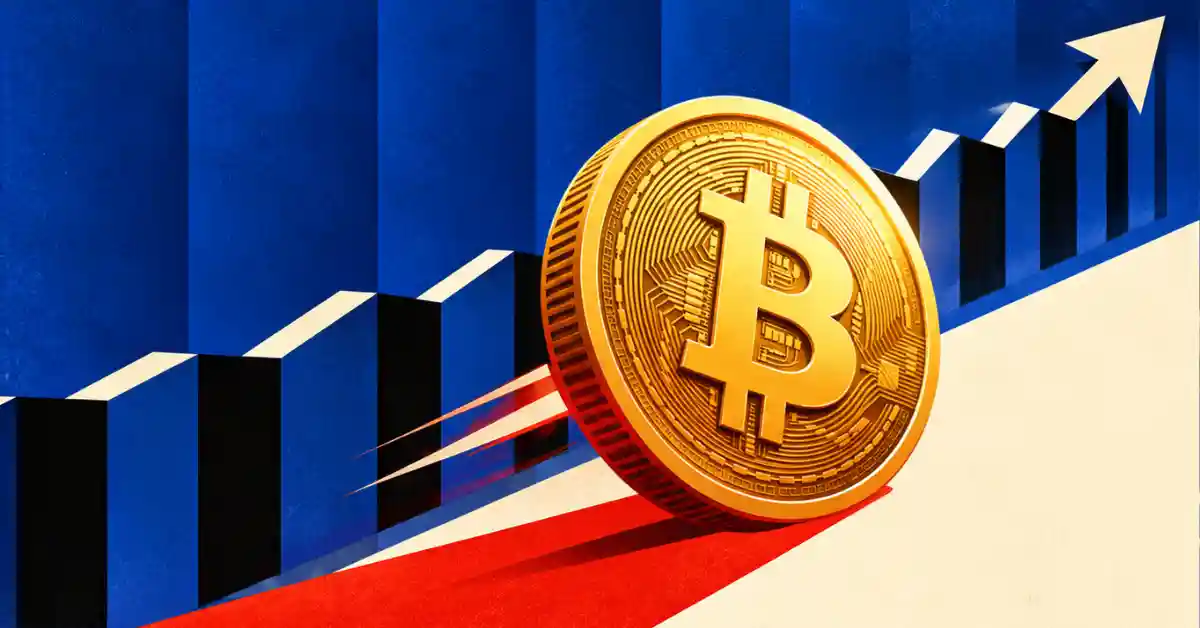
Prediction markets give Democrats roughly a 70% chance of taking control of both chambers of Congress.
A potential Democratic majority could complicate negotiations over the CLARITY Act and reshape the regulatory outlook for crypto.
AI bailout proposals and the risk of renewed US-Iran strikes add further uncertainty for stocks, oil and global markets.
The US midterm elections on November 3 could become a major market catalyst, with investors watching beyond the battle for control of Congress. Prediction markets currently give Democrats around a 70% chance of winning both the House and Senate. The outcome could influence the direction of AI regulation, the future of crypto legislation and US foreign policy toward Iran.
For financial markets, the election carries implications across technology stocks, digital assets, energy prices and inflation. Here are three developments investors should watch as voters head to the polls.
AI Stocks Face Political and Regulatory Uncertainty
Artificial intelligence has become one of the biggest investment themes on Wall Street, but concerns over elevated valuations, rising infrastructure costs and debt-funded expansion are putting the sector under scrutiny.
On October 29, Democratic lawmakers Maxine Waters and Greg Casar introduced a resolution opposing federal bailouts for AI companies if an AI-related market bubble collapses. The proposal argues that taxpayers should not be required to rescue companies or executives responsible for excessive risk-taking. It also calls for stronger protections for workers, retirees and households exposed to a potential downturn.

A stronger Democratic presence in Congress could increase pressure for greater oversight of AI companies and their financing arrangements. That could add another regulatory consideration for major technology firms investing billions of dollars in data centers, chips and AI infrastructure.
Could a Democratic Majority Delay the CLARITY Act?
The election could also determine how quickly the US advances comprehensive cryptocurrency regulation. The CLARITY Act, designed to establish a clearer regulatory framework for digital assets, failed to advance in the Senate on September 15. The measure received 49 votes in favor and 50 against, falling short of the 60 votes required. All Democrats and four Republicans opposed advancing the legislation.
A change in congressional control could make negotiations more complicated, particularly if lawmakers disagree over the regulatory responsibilities of the SEC and CFTC, oversight of crypto markets and the treatment of digital asset businesses.
For the crypto industry, regulatory clarity remains an important factor in attracting institutional participation and encouraging US-based companies to expand. A prolonged legislative delay could keep uncertainty elevated for exchanges, token issuers and other digital asset businesses.
Bitcoin and major altcoins may therefore remain sensitive to signals about the next stage of US crypto policy. However, the election outcome alone will not determine the bill’s future; bipartisan support will still be necessary for major legislation to advance.
Possible US-Iran Strikes Put Oil Prices and Inflation Back in Focus
The geopolitical risk surrounding the election could have an immediate impact on energy markets. US officials have reportedly warned several Middle Eastern allies to prepare for possible renewed military strikes against Iran after November 3. The warnings also include concerns about potential Iranian retaliation against energy facilities and other critical infrastructure. President Donald Trump has not made a final decision on further military action, while diplomatic efforts remain possible.
Any renewed escalation could threaten regional energy infrastructure and disrupt oil supply routes. The Strait of Hormuz remains particularly important because of its role in global energy shipments. Oil markets are already facing considerable supply uncertainty. Brent crude recently settled above $113 per barrel, while US crude traded near $104, with geopolitical tensions and shipping risks adding to market pressure.
A fresh conflict could push oil prices higher, increasing transportation and production costs and adding pressure to global inflation. That could complicate the Federal Reserve’s policy decisions and weigh on risk-sensitive assets, including equities and cryptocurrencies.
What Should Investors Watch After the US Midterm Elections?
The November 3 election will provide the first indication of how political control in Washington could change, but its market implications will extend beyond the initial results.
A Democratic victory in both chambers could bring tougher scrutiny of AI financing and complicate negotiations over crypto legislation. Meanwhile, the possibility of renewed military action against Iran creates a separate risk for oil supplies, inflation and global market sentiment.
For investors, the key will be how quickly these political developments translate into policy decisions. Technology stocks, crypto assets and energy markets could each respond differently, making the election an important event for financial markets heading into the final months of 2026 and beyond.
Was this writing helpful?

Trust with CoinPedia:
CoinPedia has been delivering accurate and timely cryptocurrency and blockchain updates since 2017. All content is created by our expert panel of analysts and journalists, following strict Editorial Guidelines based on E-E-A-T (Experience, Expertise, Authoritativeness, Trustworthiness). Every article is fact-checked against reputable sources to ensure accuracy, transparency, and reliability. Our review policy guarantees unbiased evaluations when recommending exchanges, platforms, or tools. We strive to provide timely updates about everything crypto & blockchain, right from startups to industry majors.
Investment Disclaimer:
All opinions and insights shared represent the author's own views on current market conditions. Please do your own research before making investment decisions. Neither the writer nor the publication assumes responsibility for your financial choices.
Sponsored and Advertisements:
Sponsored content and affiliate links may appear on our site. Advertisements are marked clearly, and our editorial content remains entirely independent from our ad partners.