


 Advertise



- Debashree Patra
 Debashree Patra
- Reviewed by:
 Nidhi Kolhapur
Nidhi is a Certified Digital Marketing Executive and Passionate crypto Journalist covering the world of alternative currencies. She shares the latest and trending news on Cryptocurrency and Blockchain.
- Jan 14, 2026 07:05 UTC
-


US CLARITY Act Moves Forward as Senate Sets January 27 Markup Hearing
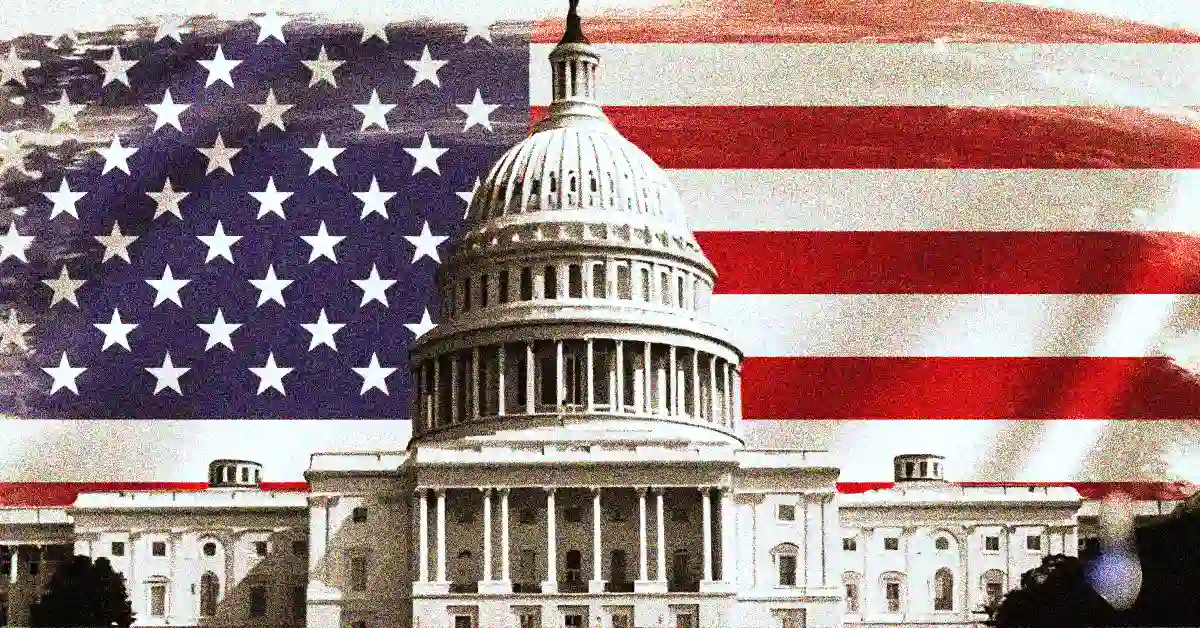
US Senate schedules CLARITY Act markup on Jan 27, boosting crypto market confidence with potential clear rules and bipartisan support.
Updated CLARITY Act aims to define crypto oversight, resolve SEC vs. CFTC debate, and pave way for institutional participation in US crypto.
The long-awaited US CLARITY Act is moving into a critical stage, as the Senate Committee on Agriculture, Nutrition, and Forestry has scheduled its markup hearing for January 27, 2026. The step signals renewed momentum toward setting clear rules for the US crypto market after weeks of delays and uncertainty.
The announcement has lifted confidence across the crypto sector, with lawmakers indicating that crypto market structure regulation remains a priority despite political and procedural challenges.
Bipartisan Talks Drive Updated Crypto Market Structure Bill
Ahead of the markup, Senator Tim Scott released an updated version of the CLARITY Act. The revised draft reflects months of discussions with Democratic lawmakers, marking a rare instance of bipartisan cooperation on US crypto regulation.
The full legislative text is expected to be published on January 21, allowing senators time to review the final language before the hearing.
Committee Chairman John Boozman said the delay was deliberate. According to Boozman, lawmakers used the extra time to resolve key differences and build wider support, rather than rushing the bill forward.
Why the Senate Agriculture Committee Markup Is Important
The January 27 markup is a key decision point. During the session, committee members will debate amendments and vote on whether the bill should advance to the full Senate.
If approved, the CLARITY Act would move beyond committee review and closer to a Senate floor vote, either in its revised form or with further changes. Without a successful markup, the bill would stall.
- Also Read :
- Russia Plans Major Shift in Crypto Regulation
- ,
What the CLARITY Act Means for the Crypto Industry
Clear and consistent crypto rules could encourage greater participation from institutions that have stayed on the sidelines due to legal uncertainty. The bill aims to define how crypto exchanges, brokers, and custodians must register and operate, making compliance more predictable.
The legislation also seeks to resolve the long-running debate over whether the SEC or CFTC should oversee different segments of the crypto market. This issue has gained urgency following high-profile collapses like FTX and ongoing enforcement actions tied to token classifications.
US Crypto Law Timeline and Broader Regulatory Push
With the Senate Agriculture Committee setting a clear timeline, the CLARITY Act could reach a full Senate vote in early 2026. At the same time, the House and Senate Banking Committee are working to align their own proposals, intending to create a single, unified crypto market structure law.
These efforts build on recent progress, including the passage of the GENIUS Act, which introduced clear reserve, audit, and transparency rules for stablecoins. Together, these moves signal a broader push toward a more stable and predictable US crypto regulatory framework.
Never Miss a Beat in the Crypto World!
Stay ahead with breaking news, expert analysis, and real-time updates on the latest trends in Bitcoin, altcoins, DeFi, NFTs, and more.
FAQs
The CLARITY Act is a proposed US law to set clear rules for crypto markets, defining how exchanges, brokers, and custodians are regulated.
It reduces legal uncertainty, which could attract institutional investors and give everyday users clearer protections and compliance standards.
If it passes committee and gains Senate approval, the CLARITY Act could reach a full vote and potentially become law in early 2026.
Institutional investors and established exchanges are likely to benefit first, gaining predictable compliance rules. Retail investors could also gain stronger protections and clearer guidance on participating in the crypto market safely.
Trust with CoinPedia:
CoinPedia has been delivering accurate and timely cryptocurrency and blockchain updates since 2017. All content is created by our expert panel of analysts and journalists, following strict Editorial Guidelines based on E-E-A-T (Experience, Expertise, Authoritativeness, Trustworthiness). Every article is fact-checked against reputable sources to ensure accuracy, transparency, and reliability. Our review policy guarantees unbiased evaluations when recommending exchanges, platforms, or tools. We strive to provide timely updates about everything crypto & blockchain, right from startups to industry majors.
Investment Disclaimer:
All opinions and insights shared represent the author's own views on current market conditions. Please do your own research before making investment decisions. Neither the writer nor the publication assumes responsibility for your financial choices.
Sponsored and Advertisements:
Sponsored content and affiliate links may appear on our site. Advertisements are marked clearly, and our editorial content remains entirely independent from our ad partners.

 Yes
Yes  No
No