

 Advertise



- Debashree Patra
 Debashree Patra
- Reviewed by:
 Nidhi Kolhapur
Nidhi is a Certified Digital Marketing Executive and Passionate crypto Journalist covering the world of alternative currencies. She shares the latest and trending news on Cryptocurrency and Blockchain.
- Feb 21, 2026 09:25 UTC
-


Uniswap Founder Warns of Scam Ads After Investor Loses Mid-Six-Figure Crypto Portfolio
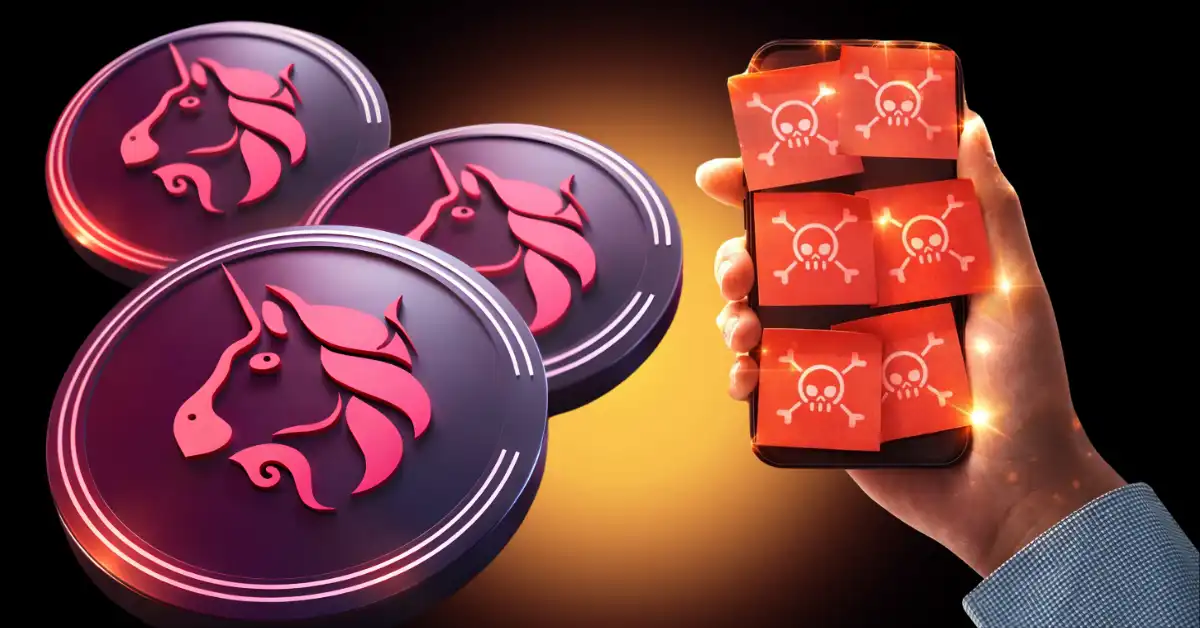
Uniswap founder warns fake Google ads are draining crypto wallets after an investor lost six figures in a phishing scam.
Scammers are buying “Uniswap” search ads to trick users into fake sites, leading to irreversible wallet drains and major crypto losses.
Uniswap founder Hayden Adams has raised urgent concerns about fraudulent advertisements impersonating the decentralized exchange after a crypto investor reportedly lost a mid-six-figure portfolio in a phishing attack.
The warning highlights a growing wave of crypto scam ads, phishing websites, and malicious sponsored search results targeting users searching for “Uniswap” and other major DeFi platforms.
Scam Ads Target “Uniswap” Keyword Searches
According to Adams, scammers are actively purchasing sponsored search results on major search engines using keywords such as “Uniswap.” These paid advertisements cause fake websites to appear at the very top of search pages — often above the legitimate platform.
The fraudulent websites are carefully designed to mimic the official Uniswap interface, making them nearly indistinguishable from the real platform. Once users connect their wallets and approve transactions, attackers can quickly drain their funds.
Adams noted that this problem is not new. Similar incidents have surfaced in the past, including fake Uniswap apps appearing during delays in official app store approvals. Despite repeated reports, scam ads continue to reappear.
Victim Loses Mid-Six-Figure Crypto Portfolio
The latest warning follows a viral post from a user known as “Ika,” who reported losing his entire crypto portfolio after interacting with what appeared to be a legitimate Uniswap link found via a Google search.
The investor described the incident as a “long chain of bad decisions” rather than simple bad luck, despite claiming he had practiced strong security habits for years.
According to the post, the sponsored search result redirected him to a fraudulent Uniswap website that closely resembled the real platform. While the site reportedly contained subtle differences — including slightly altered button labels — it appeared convincing enough to deceive even an experienced crypto participant.
The case demonstrates how increasingly sophisticated phishing tactics are capable of bypassing even cautious behavior.
Crypto Scam Activity Surges in 2026
The incident comes amid a broader surge in crypto-related theft and exploitation.
In January alone, more than $370 million was reportedly stolen through hacks, exploits, and scams, marking the highest monthly loss in nearly a year. Security researchers noted that a significant portion of those losses stemmed from a single large-scale social engineering attack.
Phishing scams and malicious ads remain especially effective because they target users at the point of entry. Instead of relying solely on suspicious emails or direct messages, attackers manipulate trusted platforms like search engines to exploit user confidence.
Why Phishing Ads Are So Dangerous for DeFi Users
While decentralized finance protocols such as Uniswap are built on secure blockchain infrastructure, user-facing vulnerabilities remain a major risk.
Phishing websites and sponsored scam ads create a dangerous gap between protocol-level security and real-world user behavior.
These attacks typically follow a predictable pattern:
- User searches for “Uniswap”
- Clicks on a sponsored advertisement
- Connects wallet to fake website
- Approves malicious smart contract transaction
- Funds are drained within seconds
Because transactions on blockchain networks are irreversible, victims have little recourse once assets are transferred.
- Also Read :
- Tether to Shut Down CNH₮ Stablecoin as Demand Drops
- ,
How to Protect Yourself from Uniswap Scam Ads
As crypto phishing scams grow more advanced, users must adopt stricter verification practices:
- Avoid clicking sponsored search results when accessing crypto platforms
- Bookmark official URLs and use direct links
- Double-check domain names carefully for subtle misspellings
- Verify smart contract approvals before signing transactions
- Consider using hardware wallets for added protection
Even experienced crypto participants are not immune. The recent case underscores how a momentary lapse in attention can lead to devastating losses.
Ongoing Security Challenges for Decentralized Platforms
Adams’s remarks highlight the broader security challenges facing decentralized exchanges and DeFi platforms. While blockchain protocols may remain secure at their core, scammers continue to exploit weaknesses in advertising systems, user behavior, and search engine trust mechanisms.
As phishing tactics evolve, preventing fraud increasingly requires cooperation between search engines, crypto platforms, and users themselves.
For now, the warning is clear: verify before you click — especially when dealing with crypto.
[article_inside_subscriber_shortcode title=”Never Miss a Beat in the Crypto World!” description=”Stay ahead with breaking news, expert analysis, and real-time updates on the latest trends in Bitcoin, altcoins, DeFi, NFTs, and more.” category_name=”News” category_id=”6″FAQs
Scammers buy sponsored “Uniswap” ads that lead to fake sites. When users connect wallets and approve transactions, funds are drained instantly.
Check the exact domain spelling, avoid sponsored links, use bookmarks, and review wallet approvals carefully before signing any transaction.
Bookmark official URLs, avoid paid ads, verify domains twice, review smart contract permissions, and consider using a hardware wallet.
Trust with CoinPedia:
CoinPedia has been delivering accurate and timely cryptocurrency and blockchain updates since 2017. All content is created by our expert panel of analysts and journalists, following strict Editorial Guidelines based on E-E-A-T (Experience, Expertise, Authoritativeness, Trustworthiness). Every article is fact-checked against reputable sources to ensure accuracy, transparency, and reliability. Our review policy guarantees unbiased evaluations when recommending exchanges, platforms, or tools. We strive to provide timely updates about everything crypto & blockchain, right from startups to industry majors.
Investment Disclaimer:
All opinions and insights shared represent the author's own views on current market conditions. Please do your own research before making investment decisions. Neither the writer nor the publication assumes responsibility for your financial choices.
Sponsored and Advertisements:
Sponsored content and affiliate links may appear on our site. Advertisements are marked clearly, and our editorial content remains entirely independent from our ad partners.

 Yes
Yes  No
No