


 Advertise



- Debashree Patra
 Debashree Patra
- Reviewed by:
 Sohrab Khawas
Sohrab is a passionate cryptocurrency news writer with over five years of experience covering the industry. He keeps a keen interest in blockchain technology and its potential to revolutionize finance. Whether he's trading or writing, Sohrab always keeps his finger on the pulse of the crypto world, using his expertise to deliver informative and engaging articles that educate and inspire. When he's not analyzing the markets, Sohrab indulges in his hobbies of graphic design, minimal design or listening to his favorite hip-hop tunes.
- Jan 05, 2026 07:04 UTC
-


U.S Crypto Regulation in Focus as CLARITY Act Shapes Market Outlook for 2026
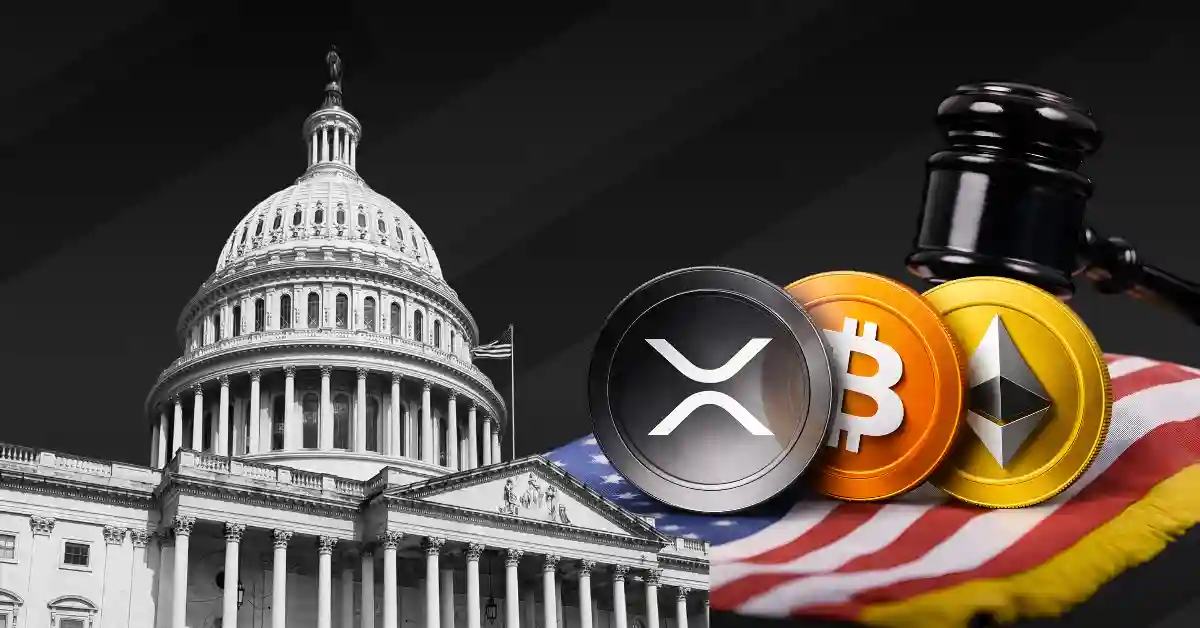
Current sentiment around crypto regulation remains cautiously optimistic, with much of the focus centered on the long-awaited crypto market structure bill, commonly referred to as the CLARITY Act.
While price movement across the market has stayed limited, industry insiders believe regulation, rather than short-term speculation, will play a key role in shaping crypto’s next phase. This view is why many now see 2026 as a potential turning point after a prolonged period of market weakness.
Crypto Market Structure Bill and Regulatory Clarity
Anthony Scaramucci stated that the crypto market structure bill needs to pass before the next U.S. midterm elections. The belief that the bill will eventually become law is already reflected in market expectations. However, any further delays could slow progress, particularly in areas such as tokenization and real-world blockchain use cases.
Scaramucci also noted that altcoins tend to move based on utility rather than speculation. Without clear regulatory rules, many projects struggle to expand beyond early-stage development.
U.S. Crypto Regulation and Institutional Outlook
Coinbase Institutional’s Head of Strategy reinforced this view, explaining that market structure legislation is more fundamental than previous crypto-related bills, including the GENIUS Act. While the GENIUS Act helped banks engage with stablecoins, the CLARITY Act aims to define how the broader crypto market operates in the U.S.
Because the bill addresses trading, custody, and token classification, its scope is much wider. This complexity has slowed progress but also increases the potential long-term impact once the framework is in place.
On-Chain Data Signals and Early 2026 Market Trends
The analyst highlighted several on-chain and market indicators pointing to a possible shift in early 2026. Bitcoin dominance metrics have started to improve, a pattern often seen near longer-term market bottoms.
Data also shows growing accumulation in both Bitcoin and Ethereum, while long-term holders remain largely inactive. Historically, this combination has suggested limited downside risk. At the same time, broader valuation metrics indicate capital rotation toward assets that appear undervalued.
Ethereum network activity supports this trend, with daily transactions now exceeding levels seen during the 2021 NFT cycle. These signals have typically formed near the end of downtrends and before stronger recoveries.
Stablecoins, Tokenization, and Real-World Blockchain Use
According to Coinbase, the CLARITY Act could extend the progress made by the GENIUS Act beyond stablecoins. Clear market rules would allow companies outside the banking sector to issue compliant tokens and stablecoins.
This could enable businesses to develop blockchain-based payment systems, loyalty programs, and digital asset platforms. Industry sources suggest this step is necessary for broader blockchain adoption beyond trading-focused use cases.
Why 2026 Is Gaining Attention in the Crypto Market
The analyst concluded that institutional participation is already increasing, even if prices do not yet reflect it. Bitcoin ETFs recorded some of the strongest launches in U.S. ETF history, despite limited promotion.
As regulatory clarity improves and financial advisors gain wider access to crypto-related products, adoption could grow further. With regulation, capital inflows, and infrastructure gradually aligning, 2026 is increasingly viewed as a year when the crypto market could regain momentum.
Trust with CoinPedia:
CoinPedia has been delivering accurate and timely cryptocurrency and blockchain updates since 2017. All content is created by our expert panel of analysts and journalists, following strict Editorial Guidelines based on E-E-A-T (Experience, Expertise, Authoritativeness, Trustworthiness). Every article is fact-checked against reputable sources to ensure accuracy, transparency, and reliability. Our review policy guarantees unbiased evaluations when recommending exchanges, platforms, or tools. We strive to provide timely updates about everything crypto & blockchain, right from startups to industry majors.
Investment Disclaimer:
All opinions and insights shared represent the author's own views on current market conditions. Please do your own research before making investment decisions. Neither the writer nor the publication assumes responsibility for your financial choices.
Sponsored and Advertisements:
Sponsored content and affiliate links may appear on our site. Advertisements are marked clearly, and our editorial content remains entirely independent from our ad partners.

 Yes
Yes  No
No