


 Advertise



S&P Pantera Index Puts Real Utility at the Center of Altcoin Selection



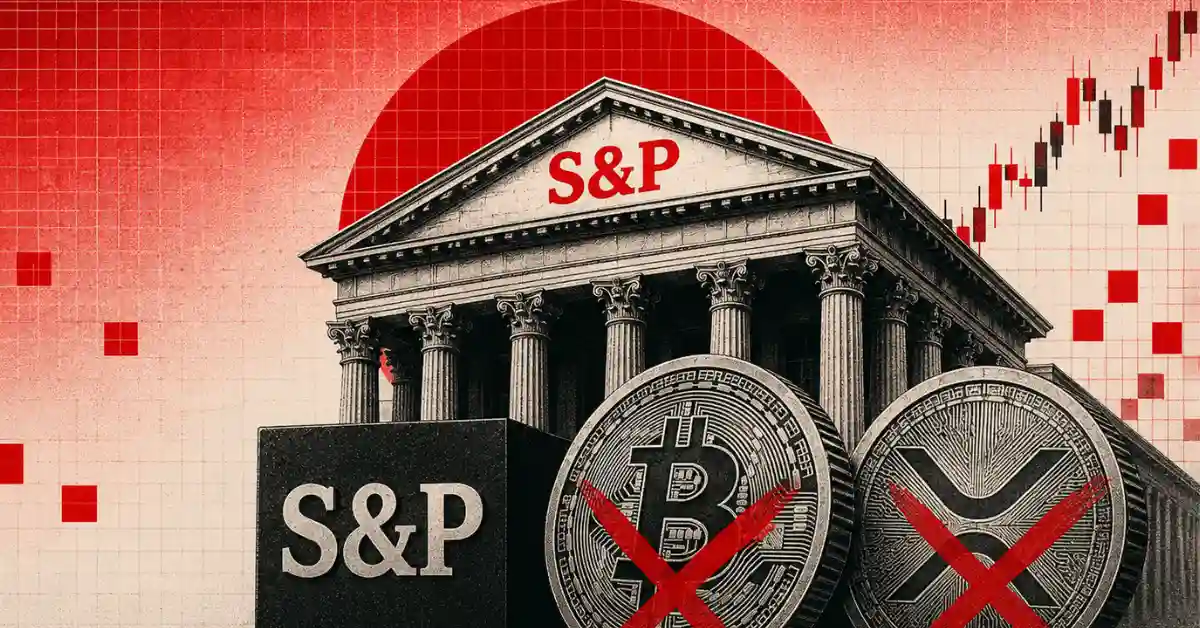
A new standard for evaluating altcoins could be emerging. This comes as institutional attention is increasingly being directed toward crypto projects with measurable usage, revenue and economic activity rather than market capitalization alone.
This shift has been highlighted by the S&P Pantera Digital Asset Index, created through a partnership between S&P Global and crypto venture firm Pantera Capital. According to one analyst, unlike traditional crypto indexes that typically group assets based on market value, the new index has been designed around what has been described as productive crypto assets.
The focus is being placed on protocols that provide services people actively use and pay for. Therefore, this creates a stronger connection between network activity and real economic value.
Six Altcoins Already Identified
The crypto index is expected to initially contain 18 altcoins, with six assets already identified: Ethereum, Solana, Tron, Hyperliquid, BNB and Aave.

The selection process was reportedly narrowed down from roughly 4,500 crypto assets listed on major exchanges. A minimum market capitalization of $500 million was first applied. After that, projects were assessed based on revenue generated over two consecutive quarters. The final selection is expected to be made from the top 30 revenue-generating projects.
The key concept behind the framework is value accrual.
Revenue alone may not be considered sufficient. Active users, transaction activity, speed, practical use cases and the extent to which value is returned to token holders could also become important factors in institutional evaluations.
Regulation Could Open the Door to More Capital
The shift could be accelerated by the changing U.S. regulatory environment. If the CLARITY Act is passed, institutional capital could increasingly enter the sector through ETFs and digital asset treasury vehicles.
Several traditional barriers, including regulatory uncertainty, custody concerns and fears surrounding SEC enforcement, are also being reduced.
As a result, a wider institutional allocation toward crypto could become possible, particularly once clearer rules are established.
What This Could Mean for Altcoins
Solana has been highlighted as a strong example of the type of asset institutions could favor. This is because of its daily active users, revenue generation and high transaction throughput.
The broader message is that the altcoin market could become increasingly divided. This division could occur between projects with genuine economic activity and tokens driven primarily by speculation.
Projects unable to demonstrate real usage, sustainable revenue and value for token holders could struggle to attract institutional capital.
As the CLARITY Act and institutional investment products develop, crypto could gradually move toward a utility-driven market cycle. In this cycle, measurable fundamentals play a much greater role in determining which altcoins survive and gain adoption.
Was this writing helpful?

Trust with CoinPedia:
CoinPedia has been delivering accurate and timely cryptocurrency and blockchain updates since 2017. All content is created by our expert panel of analysts and journalists, following strict Editorial Guidelines based on E-E-A-T (Experience, Expertise, Authoritativeness, Trustworthiness). Every article is fact-checked against reputable sources to ensure accuracy, transparency, and reliability. Our review policy guarantees unbiased evaluations when recommending exchanges, platforms, or tools. We strive to provide timely updates about everything crypto & blockchain, right from startups to industry majors.
Investment Disclaimer:
All opinions and insights shared represent the author's own views on current market conditions. Please do your own research before making investment decisions. Neither the writer nor the publication assumes responsibility for your financial choices.
Sponsored and Advertisements:
Sponsored content and affiliate links may appear on our site. Advertisements are marked clearly, and our editorial content remains entirely independent from our ad partners.