

 Advertise



- Zafar Naik
 Zafar Naik
- Reviewed by:
 Qadir AK
Qadir Ak is the founder of Coinpedia. He has over a decade of experience writing about technology and has been covering the blockchain and cryptocurrency space since 2010. He has also interviewed a few prominent experts within the cryptocurrency space.
- Jan 28, 2026 11:21 UTC
-


South Korea Nears Landmark Crypto Regulation With Digital Asset Basic Act
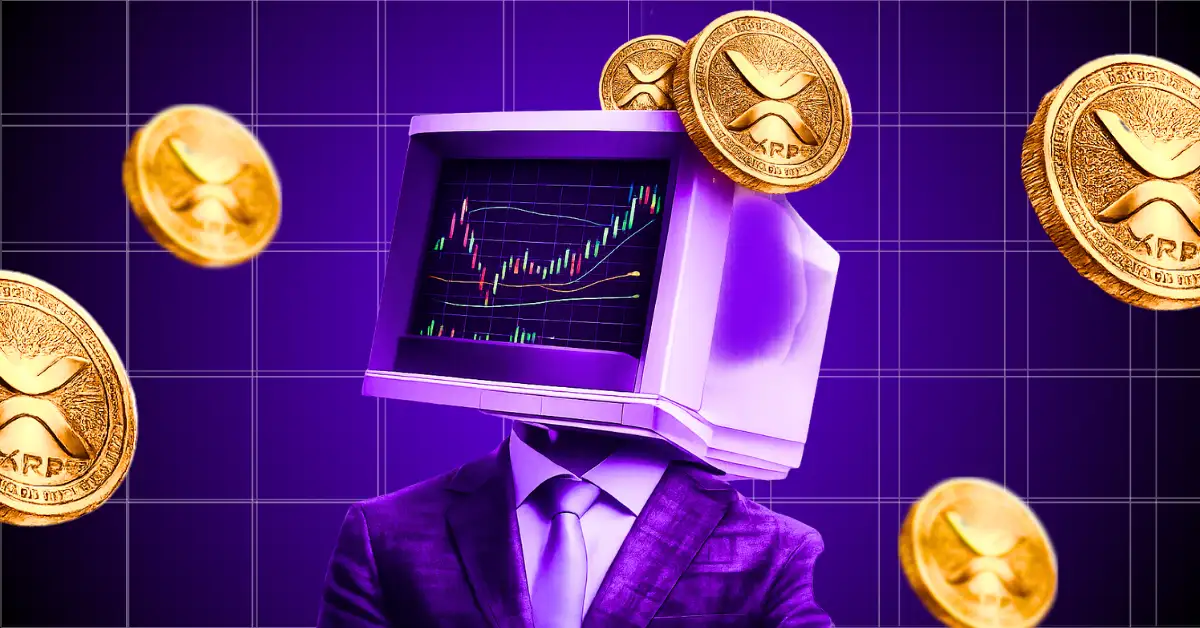
South Korea is moving closer to passing its first comprehensive crypto regulation.
Lawmakers are setting early rules for stablecoin issuers as digital asset oversight tightens.
Key decisions remain unresolved as regulators race to finalize the Digital Asset Basic Act.
South Korea is gearing up to pass its first major crypto law. The ruling Democratic Party has finalized the “Digital Asset Basic Act” and plans to submit it before the Lunar New Year holiday.
The bill sets capital requirements for stablecoin issuers and splits crypto businesses into eight regulated categories.
The Democratic Party’s Digital Asset Task Force met at the National Assembly on Tuesday to lock in key details.
Rep. Ahn Do-geol, task force secretary, said in a press briefing, “We agreed to set the legal capital requirement for stablecoin issuers at least 5 billion won.”
That’s roughly $3.5 million, matching the current capital rules for electronic money businesses under South Korea’s Electronic Financial Transactions Act.
However, lawmakers indicated that final figures will be coordinated further with government authorities before the bill is formally submitted.
Crypto Businesses Split Into 8 Categories
The law groups digital asset businesses into eight types, including wallet services. Two to three high-risk categories will need authorization from financial regulators. The rest only need to register.
TF Chairman Lee Jung-moon said, “We organized eight business categories considering the characteristics of the digital asset market, including wallet services, in addition to the five business types under the Capital Markets Act.”
Virtual Asset Committee In Focus
A new government body called the “Virtual Asset Committee” will oversee crisis response. The Financial Services Commission chairman will lead it. Members include the Bank of Korea deputy governor and vice ministers from the finance and science ministries.
The committee will step in when hacks or system failures hit the market.
Topics Still in Dispute
Not everything is settled. Lawmakers are still debating who can issue won-denominated stablecoins and whether to cap exchange ownership at 15-20% for major shareholders.
Rep. Ahn said the task force needs “one to two weeks to coordinate with the government” before submitting the final bill.
If passed, South Korea’s Digital Asset Basic Act could set the tone for how Asia regulates crypto in 2026.
Never Miss a Beat in the Crypto World!
Stay ahead with breaking news, expert analysis, and real-time updates on the latest trends in Bitcoin, altcoins, DeFi, NFTs, and more.
FAQs
It’s South Korea’s first comprehensive crypto law, setting rules for stablecoins, exchanges, wallets, and oversight to improve safety and market clarity.
The bill divides crypto firms into eight categories. High-risk activities need regulator approval, while lower-risk services only need registration.
It’s a new government body led by the FSC chair that coordinates crisis responses to hacks, outages, or major crypto market disruptions.
Lawmakers aim to submit the bill before Lunar New Year, with final coordination ongoing. If passed, it could shape Asia’s crypto rules in 2026.
Trust with CoinPedia:
CoinPedia has been delivering accurate and timely cryptocurrency and blockchain updates since 2017. All content is created by our expert panel of analysts and journalists, following strict Editorial Guidelines based on E-E-A-T (Experience, Expertise, Authoritativeness, Trustworthiness). Every article is fact-checked against reputable sources to ensure accuracy, transparency, and reliability. Our review policy guarantees unbiased evaluations when recommending exchanges, platforms, or tools. We strive to provide timely updates about everything crypto & blockchain, right from startups to industry majors.
Investment Disclaimer:
All opinions and insights shared represent the author's own views on current market conditions. Please do your own research before making investment decisions. Neither the writer nor the publication assumes responsibility for your financial choices.
Sponsored and Advertisements:
Sponsored content and affiliate links may appear on our site. Advertisements are marked clearly, and our editorial content remains entirely independent from our ad partners.

 Yes
Yes  No
No