

 Advertise



- Anjali Belgaumkar
 Anjali Belgaumkar
Writer by choice, CryptoCurrency Writer, and Researcher by chance. Currently, focusing on financial news and analysis, as well as cryptocurrency news and data. One may not call me a crypto “Enthusiast” but trust me I'm getting there.
- Dec 29, 2025 18:31 UTC
-


Silver Falls 13% in One Day as Bitcoin, Ethereum, and XRP Face New Macro Test
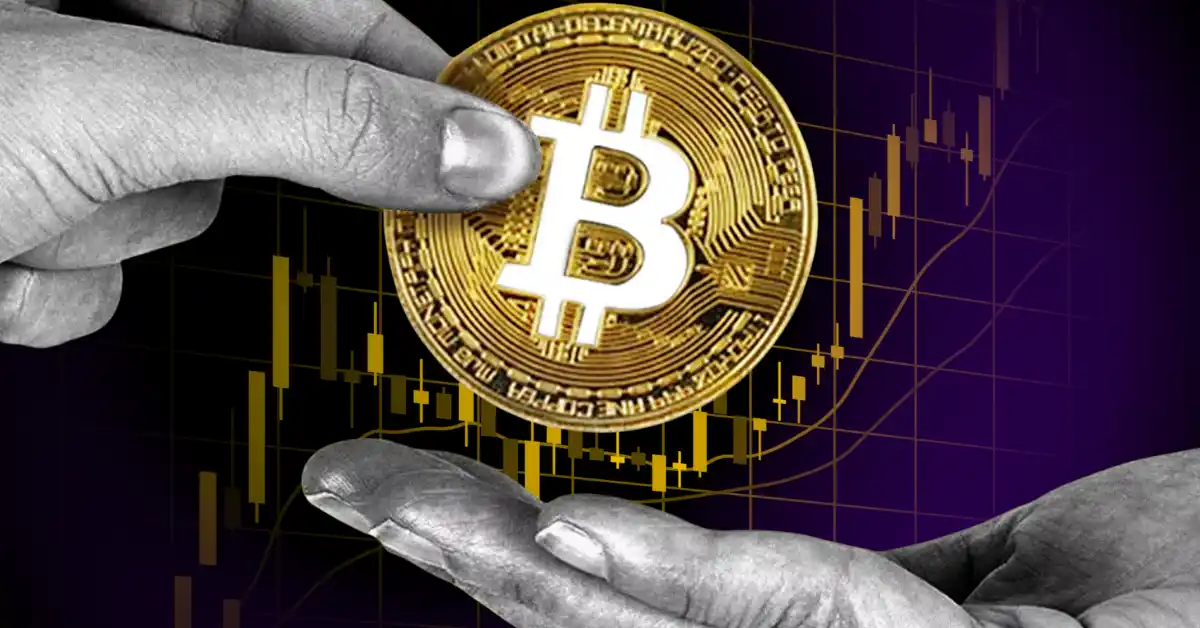
Silver prices saw a sudden and sharp sell-off, falling nearly 13% in a single day from around $83 to $73 per ounce. The drop erased an estimated $550 billion from silver’s total market value and marked one of the most dramatic moves in the metal this year.
The decline followed a powerful rally earlier in the week, when silver surged toward a potential new all-time high near $83. The rapid rise was fueled by heavy leverage and strong speculative activity, leaving the market vulnerable.
CME Raises Margin Requirements
One of the triggers for the sell-off was a decision by the Chicago Mercantile Exchange (CME) to raise margin requirements on silver futures. Effective December 29, traders are now required to post approximately $25,000 per contract to maintain their positions.
Higher margin requirements force traders to either add more cash or reduce exposure. In highly leveraged markets, this often results in forced selling, even when broader demand for the asset remains intact.
Reports of Bank Liquidation Add to Volatility
Market stress intensified following unconfirmed reports that a large bank with significant silver exposure failed to meet a margin call and was liquidated during the overnight session. The identity of the bank has not been disclosed, adding uncertainty and fueling volatility.
Analyst Paul Barron stated that reports pointed to a margin call of roughly $2.3 billion tied to COMEX silver positions, which may have contributed to the sudden liquidation pressure.
According to market reports, the U.S. Federal Reserve injected approximately $34 billion through emergency overnight repo operations to stabilize funding markets following the silver shock and related derivatives stress. This injection came in addition to earlier liquidity measures taken during the month.
Historical Parallels Resurface
Similar market conditions have appeared before. In both 1980 and 2011, silver experienced rapid price increases followed by repeated margin hikes from exchanges. Those moves triggered forced selling and marked major turning points in silver’s price cycle.
Broader Market Impact
Despite the sharp decline, silver continues to benefit from strong long-term demand. However, the metal has entered an extremely volatile phase. When margin controls are applied during aggressive price moves, momentum often slows quickly, and liquidity may shift elsewhere across global markets.
Barron said that stress in metals markets, combined with banking concerns and liquidity support, has historically coincided with increased interest in risk assets such as Bitcoin, Ethereum, and XRP.
Trust with CoinPedia:
CoinPedia has been delivering accurate and timely cryptocurrency and blockchain updates since 2017. All content is created by our expert panel of analysts and journalists, following strict Editorial Guidelines based on E-E-A-T (Experience, Expertise, Authoritativeness, Trustworthiness). Every article is fact-checked against reputable sources to ensure accuracy, transparency, and reliability. Our review policy guarantees unbiased evaluations when recommending exchanges, platforms, or tools. We strive to provide timely updates about everything crypto & blockchain, right from startups to industry majors.
Investment Disclaimer:
All opinions and insights shared represent the author's own views on current market conditions. Please do your own research before making investment decisions. Neither the writer nor the publication assumes responsibility for your financial choices.
Sponsored and Advertisements:
Sponsored content and affiliate links may appear on our site. Advertisements are marked clearly, and our editorial content remains entirely independent from our ad partners.

 Yes
Yes  No
No