

 Advertise



- Zafar Naik
 Zafar Naik
- Reviewed by:
 Qadir AK
Qadir Ak is the founder of Coinpedia. He has over a decade of experience writing about technology and has been covering the blockchain and cryptocurrency space since 2010. He has also interviewed a few prominent experts within the cryptocurrency space.
- Feb 18, 2026 09:41 UTC
-


Should Satoshi’s Bitcoin Be Frozen? CryptoQuant CEO Warns 6.89M BTC Face Quantum Risk
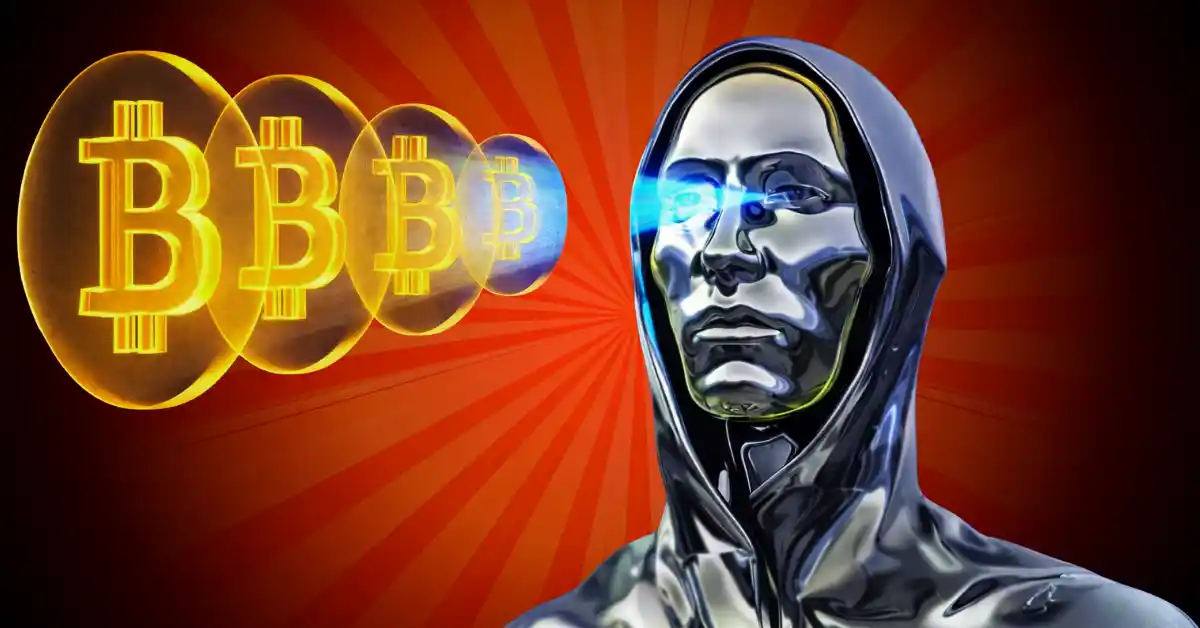
CryptoQuant CEO Ki Young Ju warns that 6.89M BTC, including Satoshi's coins, sit in quantum-vulnerable addresses.
He says the Bitcoin community faces a brutal choice: freeze dormant coins or risk losing them to quantum hackers.
The biggest obstacle is not the technology. It is getting Bitcoin's divided community to agree before it is too late.
CryptoQuant founder Ki Young Ju warned on X that roughly 6.89 million BTC are currently vulnerable to quantum attacks. That figure includes an estimated 1 million BTC linked to Bitcoin creator Satoshi Nakamoto.
According to Ki Young Ju, 1.91 million BTC sit in old P2PK addresses where public keys are permanently visible on the blockchain. Another 4.98 million BTC may have had their public keys exposed through past transactions. Once a public key is visible on-chain, the risk does not go away.
“Coins that appear perfectly safe today could become spendable by an attacker tomorrow,” he said.
3.4 Million BTC Dormant for Over a Decade
Ki Young Ju noted that about 3.4 million BTC has not moved in over 10 years. Around 1 million of that is tied to Satoshi. At current prices, that is hundreds of billions of dollars sitting in addresses that quantum computers could eventually crack.
He framed the situation as binary. Either Bitcoin upgrades its protocol and freezes these coins, or quantum attackers eventually drain them. Anyone using old address types faces the same outcome: coins frozen by design or stolen by force.
Will the Crypto Community Agree?
This is where Ki Young Ju’s argument gets interesting. He said developers can build quantum-resistant solutions.
The problem is getting the Bitcoin community to actually agree on freezing coins, something that goes against Bitcoin’s core principle of immutability.
He pointed to past disputes as evidence. The block size debate lasted over three years and caused hard forks. SegWit2x failed to get enough community support. Freezing dormant coins would face similar, if not stronger, pushback.
“Technical fixes move fast. Social consensus does not,” he said. “Developers are not the bottleneck. Social consensus is.”
Should Satoshi’s Coins Be Frozen?
Ki Young Ju ended with a direct question to the community: Would you support freezing dormant coins, including Satoshi’s, to protect Bitcoin from quantum attacks? Or does that go against everything Bitcoin stands for?
If that question alone already divides the community, he said, the quantum debate needs to start now.
Never Miss a Beat in the Crypto World!
Stay ahead with breaking news, expert analysis, and real-time updates on the latest trends in Bitcoin, altcoins, DeFi, NFTs, and more.
FAQs
According to recent analysis, approximately 6.89 million BTC are potentially vulnerable, including an estimated 1 million BTC linked to Satoshi Nakamoto.
While developers can create quantum-resistant solutions, freezing coins requires social consensus. The community would need to agree on this controversial move, which challenges Bitcoin’s immutability principle.
Yes. Developers can implement quantum-resistant cryptography, but changes require broad community consensus and may involve complex protocol updates.
Trust with CoinPedia:
CoinPedia has been delivering accurate and timely cryptocurrency and blockchain updates since 2017. All content is created by our expert panel of analysts and journalists, following strict Editorial Guidelines based on E-E-A-T (Experience, Expertise, Authoritativeness, Trustworthiness). Every article is fact-checked against reputable sources to ensure accuracy, transparency, and reliability. Our review policy guarantees unbiased evaluations when recommending exchanges, platforms, or tools. We strive to provide timely updates about everything crypto & blockchain, right from startups to industry majors.
Investment Disclaimer:
All opinions and insights shared represent the author's own views on current market conditions. Please do your own research before making investment decisions. Neither the writer nor the publication assumes responsibility for your financial choices.
Sponsored and Advertisements:
Sponsored content and affiliate links may appear on our site. Advertisements are marked clearly, and our editorial content remains entirely independent from our ad partners.

 Yes
Yes  No
No