


 Advertise



- Rizwan Ansari
 Rizwan Ansari
- Reviewed by:
 Qadir AK
Qadir Ak is the founder of Coinpedia. He has over a decade of experience writing about technology and has been covering the blockchain and cryptocurrency space since 2010. He has also interviewed a few prominent experts within the cryptocurrency space.
- Jan 29, 2026 06:51 UTC
-


Russia Crypto Regulation Bill Set for June Vote, Bitcoin Access Coming by 2027
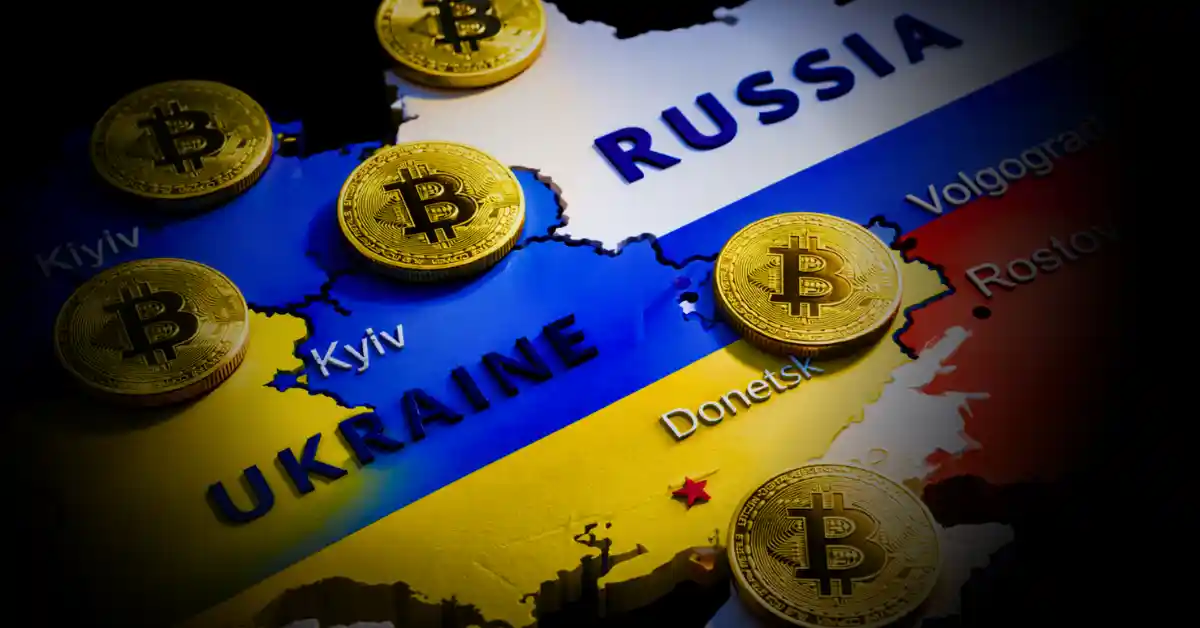
Russia set to vote on a major crypto law by June, with full rules by July 2027.
Retail crypto access limited; qualification test and $4,000 annual cap proposed.
Stablecoins allowed for foreign trade; central bank to approve legal cryptocurrencies.
Russia is moving closer to passing its most detailed crypto law so far, as lawmakers prepare to vote on a long-awaited regulation bill aimed at reducing the country’s dependence on the U.S. dollar.
The proposal aims to control crypto trading, limit retail exposure, and allow stablecoins for global trade, with full implementation planned for mid-2027.
Russia Crypto Regulation Bill Heads for June Vote
According to Anatoly Aksakov, chair of the Financial Market Committee in the Russian State Duma, confirmed that the crypto regulation bill is set for a vote by late June. If passed, it would take effect on July 1, 2027, finally giving Russia clear rules for crypto trading.
Under the proposed law, all crypto exchanges would need to register and follow strict rules. Platforms operating without approval could face large fines or even prison time, similar to penalties for illegal banking activity.
Retail investors would face new limits. Before buying crypto, individuals must pass a qualification test. Even then, annual purchases would be capped at 300,000 rubles, or about $4,000/year. Lawmakers say this is meant to protect small investors from heavy losses.
Privacy-focused coins are expected to be restricted, and cryptocurrencies would still not be allowed for everyday payments inside Russia.
Stablecoins Allowed for Foreign Trade
One major change in the bill is how it treats stablecoins. While crypto payments will still be banned inside Russia, stablecoins would be allowed for foreign trade and cross-border payments.
The bill also gives the Central Bank of Russia the authority to decide which cryptocurrencies can be legally traded.
This shows a softer approach from the central bank, which earlier supported a complete crypto ban.
Years of Delay, Momentum Finally Builds
Crypto regulation in Russia has been delayed for years due to disagreements between the finance ministry and the central bank. However, rising demand for dollar-free payments and more investment choices has pushed regulators toward compromise.
If passed, the law would allow both retail and institutional investors limited access to Bitcoin and other approved assets by mid-2027, marking a major shift in Russia’s crypto policy.
Never Miss a Beat in the Crypto World!
Stay ahead with breaking news, expert analysis, and real-time updates on the latest trends in Bitcoin, altcoins, DeFi, NFTs, and more.
FAQs
Russia’s bill sets rules for crypto trading, exchange licensing, investor limits, and stablecoin use, with full implementation planned for July 2027.
The framework could make Russia more predictable for cross-border crypto activity, but strict controls may limit its competitiveness compared to more open crypto jurisdictions.
Enforcement will be challenging, as unregistered offshore platforms may continue serving Russian users. Policing privacy coins and peer-to-peer trading could also strain regulators.
Yes, but retail investors must pass a qualification test and will be limited to buying up to 300,000 rubles (about $4,000) in crypto per year.
Trust with CoinPedia:
CoinPedia has been delivering accurate and timely cryptocurrency and blockchain updates since 2017. All content is created by our expert panel of analysts and journalists, following strict Editorial Guidelines based on E-E-A-T (Experience, Expertise, Authoritativeness, Trustworthiness). Every article is fact-checked against reputable sources to ensure accuracy, transparency, and reliability. Our review policy guarantees unbiased evaluations when recommending exchanges, platforms, or tools. We strive to provide timely updates about everything crypto & blockchain, right from startups to industry majors.
Investment Disclaimer:
All opinions and insights shared represent the author's own views on current market conditions. Please do your own research before making investment decisions. Neither the writer nor the publication assumes responsibility for your financial choices.
Sponsored and Advertisements:
Sponsored content and affiliate links may appear on our site. Advertisements are marked clearly, and our editorial content remains entirely independent from our ad partners.

 Yes
Yes  No
No