

 Advertise



- Anjali Belgaumkar
 Anjali Belgaumkar
Writer by choice, CryptoCurrency Writer, and Researcher by chance. Currently, focusing on financial news and analysis, as well as cryptocurrency news and data. One may not call me a crypto “Enthusiast” but trust me I'm getting there.
- Jan 12, 2026 17:33 UTC
-


Ripple Presses SEC to End ‘Forever Securities’ Problem in Crypto as Congress Debates Clarity Act
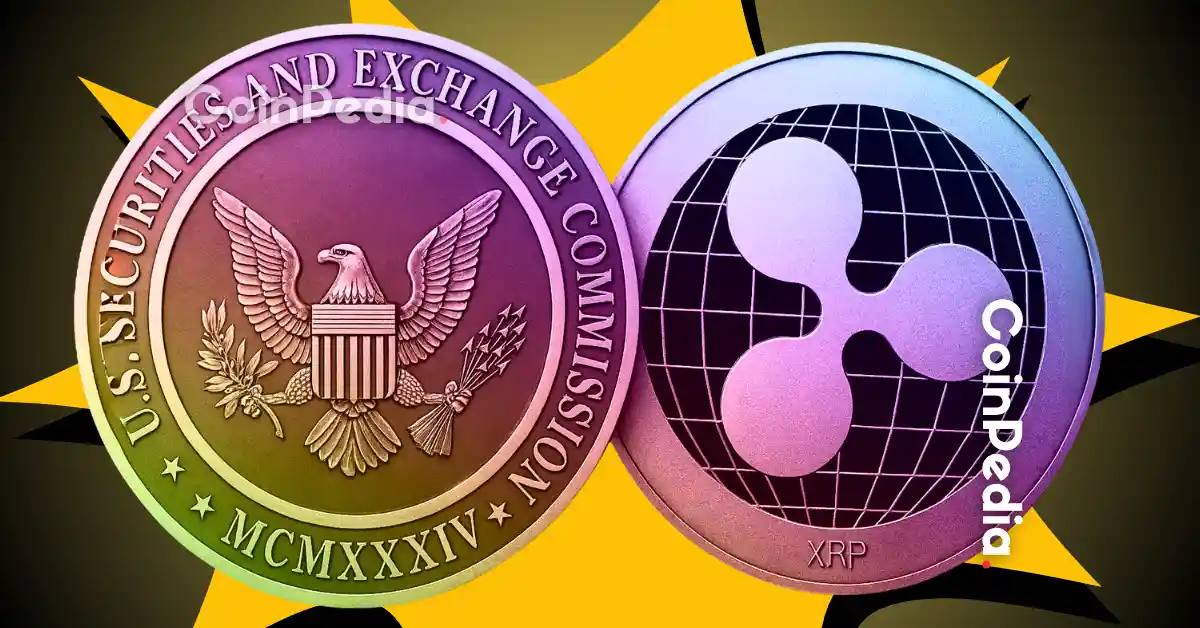
Ripple has submitted a detailed letter to the U.S. Securities and Exchange Commission’s Crypto Task Force, calling for a clearer and more practical approach to regulating digital assets. The letter, dated January 9, 2026, argues that current regulatory thinking creates confusion by failing to separate a crypto asset from the contract under which it was originally sold.
Ripple said future crypto rules should be based on legal rights and enforceable obligations, not vague concepts that change over time.
Ripple rejects “decentralization” as a legal test
Ripple strongly criticized the use of “decentralization” as a regulatory standard, calling it subjective and unreliable. The company said decentralization is not a fixed condition and can vary based on governance, code development, economics, and network participation.
According to Ripple, relying on decentralization risks two outcomes: allowing risky assets to escape oversight or trapping mature assets under securities laws long after they no longer function like securities.
Promises matter, not price hopes
Ripple warned against reducing securities analysis to whether buyers expect profits from the “efforts of others.” It said securities laws exist to regulate enforceable promises, not investor optimism.
If no legal promise exists, Ripple argued, buying a digital asset in hopes of price appreciation is a market risk — not a securities transaction. Once a company’s original obligations are fulfilled or expire, the asset itself should no longer fall under securities regulation.
Secondary market trades should not be securities
A major focus of the letter was secondary market trading. Ripple said that once an asset trades freely on exchanges, without a direct relationship between buyer and issuer, securities laws should not apply.
The company compared crypto markets to commodities like gold or silver, which trade actively but are not considered securities. Ripple said high trading volume does not change an asset’s legal nature.
Why “privity” draws the legal line
Ripple emphasized the importance of privity, meaning a direct relationship between buyer and issuer. In primary sales, such as initial offerings, privity exists and securities rules may apply.
In mature markets, however, buyers and sellers transact anonymously, with no direct contract or promise from the issuer. Ripple argued that treating every later sale as a capital raise would create endless legal obligations and paralyze normal business activity.
Control should be defined clearly
Ripple acknowledged that regulation may still apply if a company retains direct control over a network or token, such as the ability to change code or reverse transactions. However, it stressed that control must be objectively defined.
Holding tokens, participating in open governance, or sharing economic interests should not automatically count as control, the company said.
Aligns with SEC leadership views
Ripple said that its position aligns with remarks by SEC Chairman Paul Atkins, who said investment contracts describe relationships between parties, not permanent labels attached to assets. Once promises end, regulatory obligations should end as well.
The company said clear, rights-based regulation would protect investors, reduce confusion, and allow U.S. crypto markets to mature without unnecessary legal uncertainty.
Trust with CoinPedia:
CoinPedia has been delivering accurate and timely cryptocurrency and blockchain updates since 2017. All content is created by our expert panel of analysts and journalists, following strict Editorial Guidelines based on E-E-A-T (Experience, Expertise, Authoritativeness, Trustworthiness). Every article is fact-checked against reputable sources to ensure accuracy, transparency, and reliability. Our review policy guarantees unbiased evaluations when recommending exchanges, platforms, or tools. We strive to provide timely updates about everything crypto & blockchain, right from startups to industry majors.
Investment Disclaimer:
All opinions and insights shared represent the author's own views on current market conditions. Please do your own research before making investment decisions. Neither the writer nor the publication assumes responsibility for your financial choices.
Sponsored and Advertisements:
Sponsored content and affiliate links may appear on our site. Advertisements are marked clearly, and our editorial content remains entirely independent from our ad partners.

 Yes
Yes  No
No