

 Advertise



- Zafar Naik
 Zafar Naik
- Reviewed by:
 Qadir AK
Qadir Ak is the founder of Coinpedia. He has over a decade of experience writing about technology and has been covering the blockchain and cryptocurrency space since 2010. He has also interviewed a few prominent experts within the cryptocurrency space.
- Jan 22, 2026 11:56 UTC
-


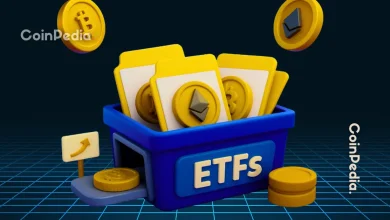
Nasdaq Pushes SEC to Ease Bitcoin and Ethereum ETF Options Limits
Nasdaq has filed with the SEC to remove long-standing limits on Bitcoin and Ethereum ETF options trading.
The rule change takes effect immediately, signaling a shift in how crypto ETFs are treated in U.S. markets.
Despite recent outflows, demand for Bitcoin ETF options remains strong, led by BlackRock’s IBIT.
Nasdaq wants to take the handcuffs off crypto ETF options trading.
The stock exchange filed a rule change with the US SEC on January 21 to remove the 25,000-contract position and exercise limits on Bitcoin and Ethereum ETF options. BlackRock’s IBIT and ETHA, Fidelity, Grayscale, Bitwise, ARK/21Shares, and VanEck products are all included.
The SEC waived its usual 30-day waiting period. The rule is now effective immediately.
Nasdaq stated the change would “allow the Exchange to treat Crypto Assets in the same manner as all other options that qualify for listing.”
What Changes for Traders
Until now, crypto ETF options operated under tighter restrictions than traditional commodity ETFs. This filing fixes that gap.
Nasdaq called the proposal “just and equitable,” arguing it prevents unfair discrimination and keeps markets free and open. The exchange also noted similar changes are expected across other options platforms.
The SEC has not received public comments yet. A final decision is expected by end of February.
IBIT Already Ranks Among Top US Options
BlackRock’s Bitcoin ETF is not waiting around for regulatory clarity to gain traction.
IBIT currently ranks 9th among all US assets by options open interest, with over 7.7 million active contracts. The ETF cracked the top 10 list just over a year after its debut.
That risk-off mood showed up in recent fund flows. Bitcoin ETFs saw $1.58 billion in outflows over three days. BlackRock led withdrawals at $356.6 million. Fidelity’s FBTC followed with $287.7 million in redemptions.
2026 Started Strong Despite Recent Pullback
The bigger picture looks different.
US spot Bitcoin ETFs pulled in $1.16 billion in net inflows during the first two trading days of 2026. January 5 alone saw $697 million flow in, the highest single-day total since October 2025.
BlackRock’s IBIT has added $888 million year-to-date. Total ETF assets under management now sit around $134 billion.
ETFs are absorbing more than 100% of the newly mined Bitcoin supply. That dynamic could push BTC beyond its usual four-year price cycle, according to analysts tracking institutional flows.
Never Miss a Beat in the Crypto World!
Stay ahead with breaking news, expert analysis, and real-time updates on the latest trends in Bitcoin, altcoins, DeFi, NFTs, and more.
FAQs
The change mainly affects sophisticated options traders rather than buy-and-hold ETF investors. Retail traders may see higher volatility in options pricing, but ETF share trading itself is unchanged.
Yes. Allowing crypto ETF options to follow standard rules may signal a shift toward regulatory normalization, which could shape approvals for other crypto derivatives.
If the SEC overturns it, Nasdaq would need to reinstate limits, and existing large positions could face forced reductions. That outcome could temporarily disrupt liquidity.
Institutional investors, market makers, and hedging-focused traders benefit most, as they rely on larger positions to manage risk and provide liquidity at scale.
Trust with CoinPedia:
CoinPedia has been delivering accurate and timely cryptocurrency and blockchain updates since 2017. All content is created by our expert panel of analysts and journalists, following strict Editorial Guidelines based on E-E-A-T (Experience, Expertise, Authoritativeness, Trustworthiness). Every article is fact-checked against reputable sources to ensure accuracy, transparency, and reliability. Our review policy guarantees unbiased evaluations when recommending exchanges, platforms, or tools. We strive to provide timely updates about everything crypto & blockchain, right from startups to industry majors.
Investment Disclaimer:
All opinions and insights shared represent the author's own views on current market conditions. Please do your own research before making investment decisions. Neither the writer nor the publication assumes responsibility for your financial choices.
Sponsored and Advertisements:
Sponsored content and affiliate links may appear on our site. Advertisements are marked clearly, and our editorial content remains entirely independent from our ad partners.

 Yes
Yes  No
No