

 Advertise



- Rizwan Ansari
 Rizwan Ansari
- Nov 24, 2025 14:20 UTC
-


Japan SBI’s 9% Stake in Ripple Shocks U.S. Treasury Bessent
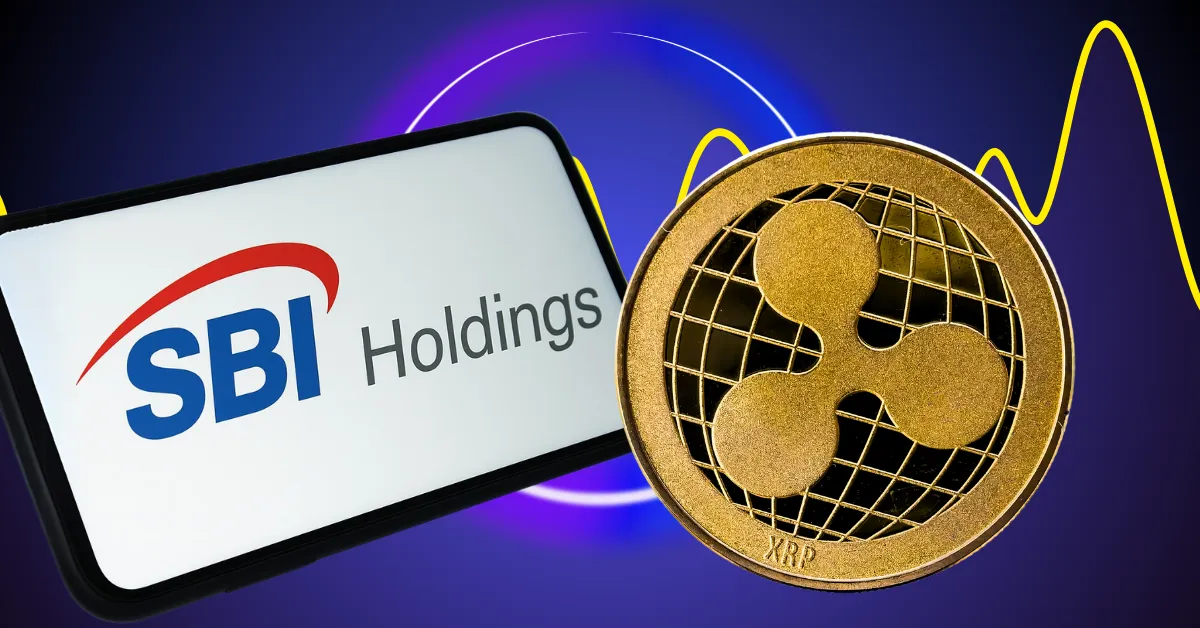
SBI holds a massive 9% stake in Ripple, surprising U.S. Treasury Secretary Bessent greatly.
Ripple’s technology enables faster, cheaper cross-border payments, bridging U.S. investors with Asian markets efficiently.
SBI and Ripple sign MoU to distribute RLUSD stablecoin, strengthening Japan’s financial infrastructure.
U.S. and Japanese financial leaders are eyeing Ripple as a bridge for cross-border growth. SBI CEO Yoshitaka Kitao revealed that his group holds a massive 9% stake in Ripple, leaving U.S. Treasury Secretary Scott Bessent visibly shocked.
With Japan already using Ripple’s technology in banks and remittances, both countries are now exploring stablecoins and next-gen payment systems to boost cross-border investments and liquidity.
Bessent Shocked About SBI’s 9% Holding in Ripple
During SBI’s latest earnings call, CEO Yoshitaka Kitao told U.S. counterparts that SBI Group is the largest external shareholder in Ripple, holding about 9% of Ripple Labs.
When Bessent heard the 9% figure, he was shocked and said, “That’s huge,” showing that U.S. officials clearly understand Ripple’s influence in Asia.
Japan already uses Ripple’s technology in banks and remittance companies through SBI Ripple Asia. Kitao believes this network can act as a bridge for U.S. companies and investors entering Asian markets, making payments faster, cheaper, and more reliable.
Why the U.S. Treasury Is Suddenly Interested?
Bessent’s recent meetings with Japanese officials have focused on bringing Japan’s “strategic investment” into the United States through trade and investment agreements and capital-market partnerships.
But for this plan to work smoothly, cross-border payments and liquidity systems need to be faster and more efficient, and this is where Ripple’s technology fits in.
Ripple’s On-Demand Liquidity removes the need for banks to lock large sums of money in nostro/vostro accounts, freeing billions that can be used for investment instead.
With quicker and cheaper payment systems, Japanese banks can move funds into U.S. assets without delays or heavy costs, which supports the Treasury’s long-term growth strategy.
Liquidity and Stablecoins “On the Table”
SBI and Ripple have already signed a memorandum of understanding to support the distribution of Ripple’s dollar stablecoin (RLUSD) in Japan.
Around the same time, U.S. Treasury advisor Bessent started promoting stablecoins as a key tool to increase global demand for the U.S. dollar, expecting the stablecoin market to grow to $3 trillion in the future.
This stance makes it natural for U.S. Treasury officials to look at partnerships between American and Japanese banks.
With Ripple’s technology, these banks could create a system where stablecoins and tokenized U.S. Treasuries move smoothly across borders.
Trust with CoinPedia:
CoinPedia has been delivering accurate and timely cryptocurrency and blockchain updates since 2017. All content is created by our expert panel of analysts and journalists, following strict Editorial Guidelines based on E-E-A-T (Experience, Expertise, Authoritativeness, Trustworthiness). Every article is fact-checked against reputable sources to ensure accuracy, transparency, and reliability. Our review policy guarantees unbiased evaluations when recommending exchanges, platforms, or tools. We strive to provide timely updates about everything crypto & blockchain, right from startups to industry majors.
Investment Disclaimer:
All opinions and insights shared represent the author's own views on current market conditions. Please do your own research before making investment decisions. Neither the writer nor the publication assumes responsibility for your financial choices.
Sponsored and Advertisements:
Sponsored content and affiliate links may appear on our site. Advertisements are marked clearly, and our editorial content remains entirely independent from our ad partners.

 Yes
Yes  No
No