

 Advertise



Iran Eases Currency Rules to Boost Crypto Trade Amid US Sanctions



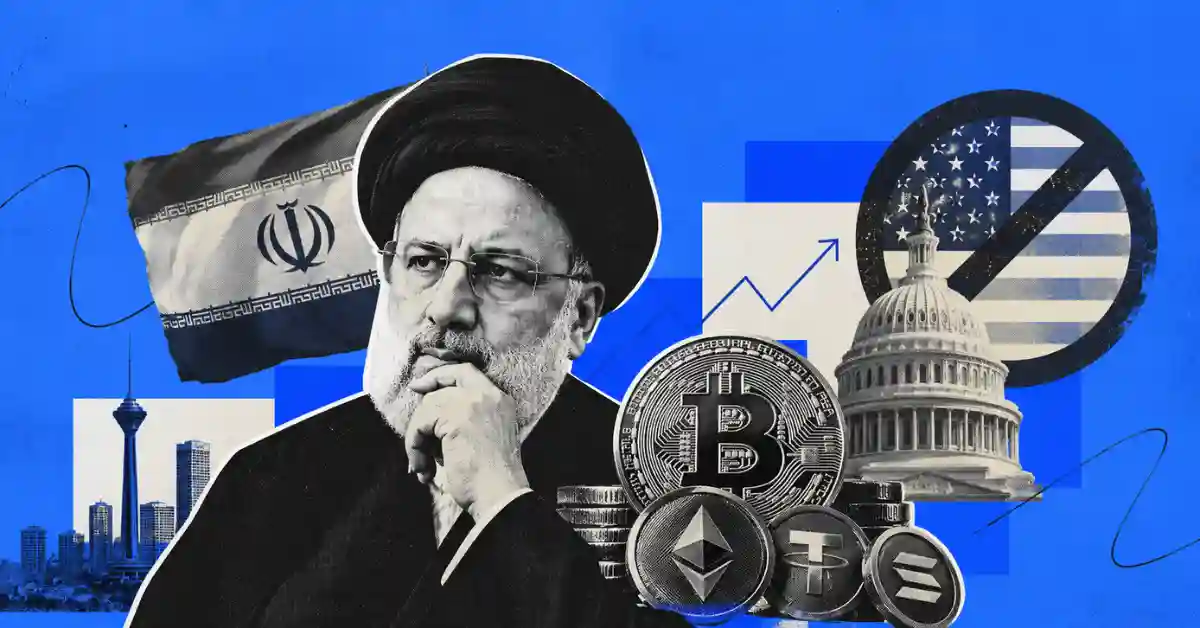
Iran allows businesses to use Bitcoin and USDT for cross-border trade transactions.
The Central Bank is easing foreign exchange controls as sanctions restrict traditional banking channels.
Iran accounts for approximately 4.5% of global Bitcoin mining activity, according to Elliptic.
Iran is loosening its strict foreign exchange rules as U.S. sanctions make normal international payments harder. The new approach allows businesses to use Bitcoin, Tether, and other digital assets for cross-border trade.
This comes as the U.S. and other nations have frozen or blocked around $1 billion to $1.47 billion in Iranian-linked crypto assets to date.
Iran Is Turning to Bitcoin and USDT
The move comes as Iran faces severe pressure on its currency and access to international finance. The Iranian rial has fallen to more than 2 million per U.S. dollar in the open market, while inflation has climbed sharply.
Traditional correspondent banking channels have also become increasingly difficult to use under U.S. sanctions.

That has pushed crypto into a bigger role. Roughly $10 billion worth of cryptocurrency moved through Iran in 2025, according to on-chain data cited in the reference material.
Iran also accounts for around 4.5% of global Bitcoin mining activity, according to blockchain analytics firm Elliptic.
Who Benefits Most From Iran’s Easier Crypto Rules?
Iranian exporters and importers are likely to benefit the most. The Central Bank of Iran has eased controls around foreign currency, allowing exporters to bring overseas earnings back through domestic crypto exchanges.
Businesses can also use their export earnings directly to pay for imported raw materials and goods instead of first converting the money through the government-controlled foreign exchange system.
This gives businesses more freedom to move money without relying as heavily on traditional banking channels. Crypto can also make cross-border payments easier when access to international banks is limited.
Tether’s USDT could play an important role because it is tied to the U.S. dollar. For Iranian traders, this offers a more stable option than holding the rapidly weakening rial.
U.S. Sanctions Could Target the Crypto Route
The easing comes as Washington is also increasing pressure on Iran’s digital asset sector.
U.S. Treasury Secretary Scott Bessent has warned that digital assets could become another target under the administration’s broader “Operation Economic Outcast.” In June, the Treasury also sanctioned Nobitex, Iran’s largest crypto exchange, accusing it of helping with sanctions evasion.
This creates a difficult balance for Iran.
Crypto can provide another route for trade when banks are blocked, but greater use of digital assets could also bring more attention from U.S. regulators and increase the risk of further sanctions on exchanges, banks, and intermediaries.
Was this writing helpful?

Trust with CoinPedia:
CoinPedia has been delivering accurate and timely cryptocurrency and blockchain updates since 2017. All content is created by our expert panel of analysts and journalists, following strict Editorial Guidelines based on E-E-A-T (Experience, Expertise, Authoritativeness, Trustworthiness). Every article is fact-checked against reputable sources to ensure accuracy, transparency, and reliability. Our review policy guarantees unbiased evaluations when recommending exchanges, platforms, or tools. We strive to provide timely updates about everything crypto & blockchain, right from startups to industry majors.
Investment Disclaimer:
All opinions and insights shared represent the author's own views on current market conditions. Please do your own research before making investment decisions. Neither the writer nor the publication assumes responsibility for your financial choices.
Sponsored and Advertisements:
Sponsored content and affiliate links may appear on our site. Advertisements are marked clearly, and our editorial content remains entirely independent from our ad partners.