

 Advertise



- Rizwan Ansari
 Rizwan Ansari
- Apr 08, 2026 13:00 UTC
-


“I’m Not Satoshi,” Says Adam Back, denying NYT Claim
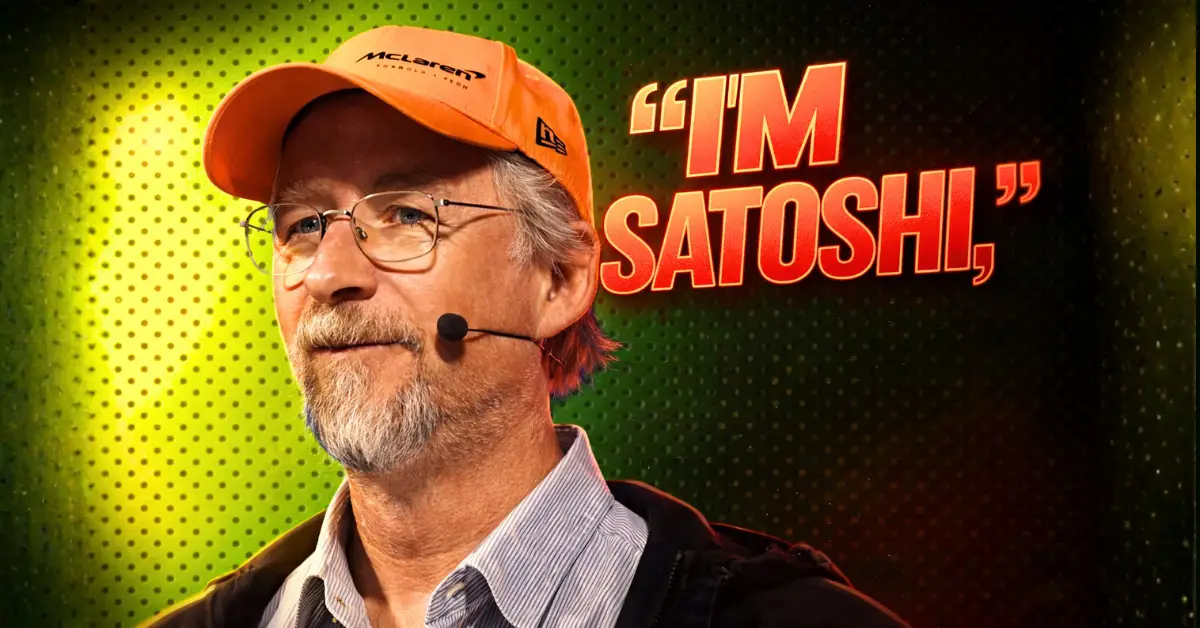
Adam Back denies NYT claim identifying him as Bitcoin creator Satoshi Nakamoto after analysis.
NYT analyzed 134,308 posts from 620 candidates, finding linguistic similarities linking Back.
Back says similarities coincidental, citing active participation in early cryptography mailing lists.
Back argues Satoshi anonymity benefits Bitcoin, keeping it independent as digital commodity.
After more than 15 years and countless investigations, the identity of Satoshi Nakamoto remains unknown. Now the New York Times thinks it has the answer, and the man they are pointing at is British cryptographer Adam Back.
Well, Adam Back has publicly denied claims saying he is not Satoshi and that similarities in early research and writings are being misinterpreted.
NYT Finds 3 Key Similarities Linking Adam Back to Satoshi
The investigation was led by John Carreyrou, the NYT journalist famous for exposing the Theranos fraud, alongside AI projects editor Dylan Freedman. Researchers spent over a year analyzing 134,308 posts from 620 candidates on major cryptography mailing lists from 1992 to 2008.
Using linguistic analysis, the team found strong similarities between Back’s writing and Satoshi’s messages. One test identified 325 hyphenation quirks in Satoshi’s writing, with Back sharing 67 of them.
The second closest match had only 38, which narrowed the search significantly.
Secondly, both used British spellings, specific hyphenation patterns, double spacing between sentences, and alternated terms like “e-mail” and “email.
Lastly, the behavioral timeline added another layer. Back was consistently present in electronic cash discussions for over a decade. Then, when Satoshi announced Bitcoin in late 2008, Back went completely silent.
Adam Back Responds: “I’m Not Satoshi”
Responding to the Carreyrou report, Back rejected the claim and said the connections are mostly coincidental. He explained that he was active in cryptography discussions since the early 1990s, which naturally created an overlap with Bitcoin ideas.
“I’m not saying I’m good with words, but I sure did a lot of yakking on these lists, actually.”
Because he was one of the most active contributors on early mailing lists, his writing appears more often in any analysis, but this does not mean he created Bitcoin.
On technical similarities, Back said many experts were working on digital cash ideas at the same time, so shared concepts are not proof of identity. He also made it clear that he does not know who Satoshi is.
According to Back, this mystery is actually beneficial, as it keeps Bitcoin independent and not tied to any single individual.
The “We Are All Satoshi” Clarification
One old tweet from Adam Back said, “We Are All Satoshi.” Some interpreted the line as a hidden admission. However, he clarified that the statement was taken out of context.
According to Back, the phrase referred to a short film titled “Block 170, The First Transaction.” The film featured a stone engraved with “We Are All Satoshi” as part of its artistic concept.
He said his tweet was simply referencing the film, not suggesting any personal connection.
So Who Is Satoshi Nakamoto?
For over 15 years, the identity of Bitcoin’s creator has been the biggest mystery in the history of finance. Even one of the most detailed efforts by a major global newspaper has not provided a definitive answer.
Lastly, Back said he does not know who Satoshi is and believes that anonymity is actually beneficial. He noted that Bitcoin being founderless helps it be viewed as a new asset class.
Trust with CoinPedia:
CoinPedia has been delivering accurate and timely cryptocurrency and blockchain updates since 2017. All content is created by our expert panel of analysts and journalists, following strict Editorial Guidelines based on E-E-A-T (Experience, Expertise, Authoritativeness, Trustworthiness). Every article is fact-checked against reputable sources to ensure accuracy, transparency, and reliability. Our review policy guarantees unbiased evaluations when recommending exchanges, platforms, or tools. We strive to provide timely updates about everything crypto & blockchain, right from startups to industry majors.
Investment Disclaimer:
All opinions and insights shared represent the author's own views on current market conditions. Please do your own research before making investment decisions. Neither the writer nor the publication assumes responsibility for your financial choices.
Sponsored and Advertisements:
Sponsored content and affiliate links may appear on our site. Advertisements are marked clearly, and our editorial content remains entirely independent from our ad partners.

 Yes
Yes  No
No