

 Advertise



- Rizwan Ansari
 Rizwan Ansari
- Dec 01, 2025 08:48 UTC
-


Fed Ends Quantitative Tightening, Is the Old System Crashing? Crypto Takes the Lead
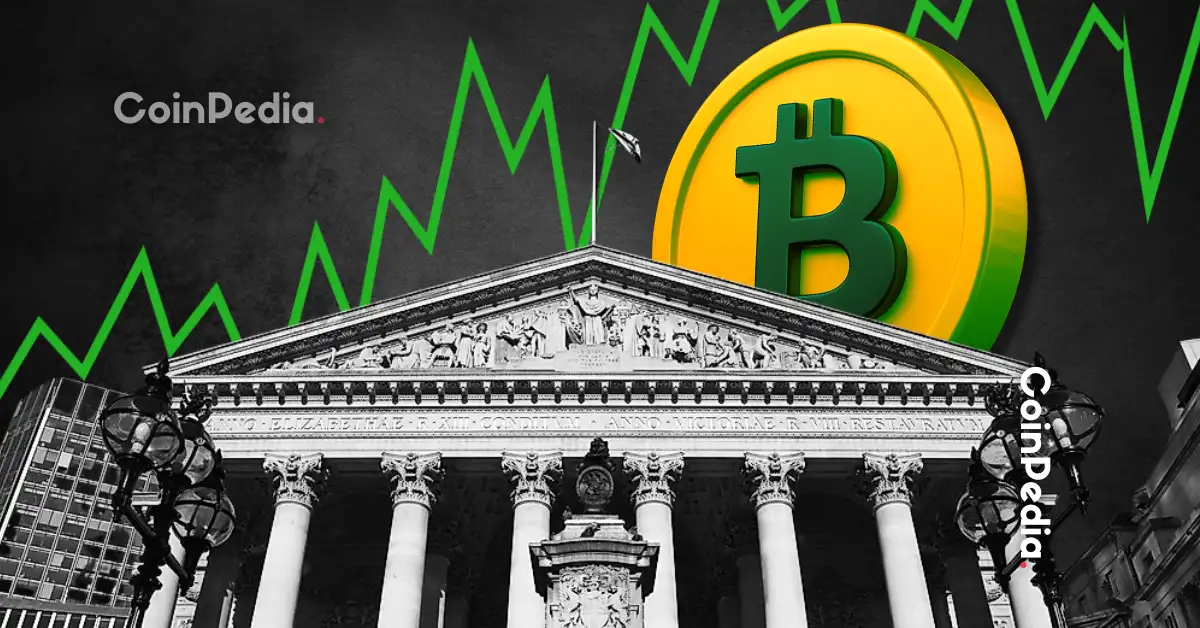
Fed ends tightening after huge $2.4 trillion money drain, raising new economy fears globally.
Analysts warn the old money system breaking, forcing emergency tools every single night.
Meanwhile, Crypto and stablecoins gain hope as new regulated digital systems grow trusted worldwide rapidly.
The U.S. Federal Reserve (Fed) finally ended its Quantitative Tightening policy on December 1, 2025. The Fed froze its balance sheet at $6.57 trillion, meaning it will no longer remove money from the financial system.
Many analysts say the latest Federal Reserve actions reveal deep cracks in the global economy, and have opened big opportunities for Crypto and stablecoins.
Liquidity Drain Exposed Weakness In the Market
Since June 2022, the Fed and other central banks have withdrawn about $2.4 trillion from global markets, the biggest money drain ever. This pushed interest rates higher, but also slowly surged the debt and asset bubbles that have held the system together since 2008.
On top of it, several key economic indicators are flashing red. In the U.S., the Cass Freight Index has fallen for 33 straight months. In October 2025, we saw a 7.8% drop in logistics shipments, the worst performance since 2009.
At the same time, inventories in Shanghai fell to their lowest since 2015, and Japan’s 10-year bond yields hit multi-decade highs.
Even crypto is feeling the shock. Bitcoin has fallen from $126,000 to below $79,000, trading activity is down, and major crypto ETFs are witnessing outflows.
Experts Warn the Old Money System Is in Crisis
According to researcher Rob Cunningham’s analysis, the U.S. financial system is now running on emergency tools originally intended only for rare crises.
- Banks have less cash
- Companies find it harder to get loans
- The government is paying more interest on its debt.
- Short-term money lending is getting risky
Even the Reverse Repo balances have dropped to near zero, while the U.S. bond market struggles to stay stable.
Cunningham warns that the Fed has stopped being a “lender of last resort” and has now become the “lender every night.”
Crypto & Stablecoins, Unexpected New Lifeboat
As the old money system weakens, a new one built on Distributed Ledger Technology (DLT) is quietly rising. The GENIUS Act now gives stablecoins clear rules as real digital dollars, while ISO 20022 brings full transparency to global payments.
Meanwhile, the CLARITY Act aims to define which digital assets, like XRP, XLM, ALGO, and HBAR, can operate as real financial infrastructure.
At the same time, tokenised real-world assets and new digital trade systems are enabling countries to move value faster, more cheaply, and without the need for old intermediaries.
Never Miss a Beat in the Crypto World!
Stay ahead with breaking news, expert analysis, and real-time updates on the latest trends in Bitcoin, altcoins, DeFi, NFTs, and more.
FAQs
Quantitative Tightening (QT) is when the Federal Reserve reduces money in the financial system. The Fed stopped to prevent market strain, as prolonged QT raised interest rates and exposed economic vulnerabilities.
Ending QT halts a major liquidity drain, which can improve investor risk appetite. This shift, alongside new stablecoin laws, positions crypto as an alternative amid traditional system stress.
Trust with CoinPedia:
CoinPedia has been delivering accurate and timely cryptocurrency and blockchain updates since 2017. All content is created by our expert panel of analysts and journalists, following strict Editorial Guidelines based on E-E-A-T (Experience, Expertise, Authoritativeness, Trustworthiness). Every article is fact-checked against reputable sources to ensure accuracy, transparency, and reliability. Our review policy guarantees unbiased evaluations when recommending exchanges, platforms, or tools. We strive to provide timely updates about everything crypto & blockchain, right from startups to industry majors.
Investment Disclaimer:
All opinions and insights shared represent the author's own views on current market conditions. Please do your own research before making investment decisions. Neither the writer nor the publication assumes responsibility for your financial choices.
Sponsored and Advertisements:
Sponsored content and affiliate links may appear on our site. Advertisements are marked clearly, and our editorial content remains entirely independent from our ad partners.

 Yes
Yes  No
No