


 Advertise



- Qadir AK
 Qadir AK
Qadir Ak is the founder of Coinpedia. He has over a decade of experience writing about technology and has been covering the blockchain and cryptocurrency space since 2010. He has also interviewed a few prominent experts within the cryptocurrency space.
- Jan 12, 2026 11:19 UTC
-


Dubai Tightens Crypto Regulation as DFSA Bans Privacy Tokens in DIFC
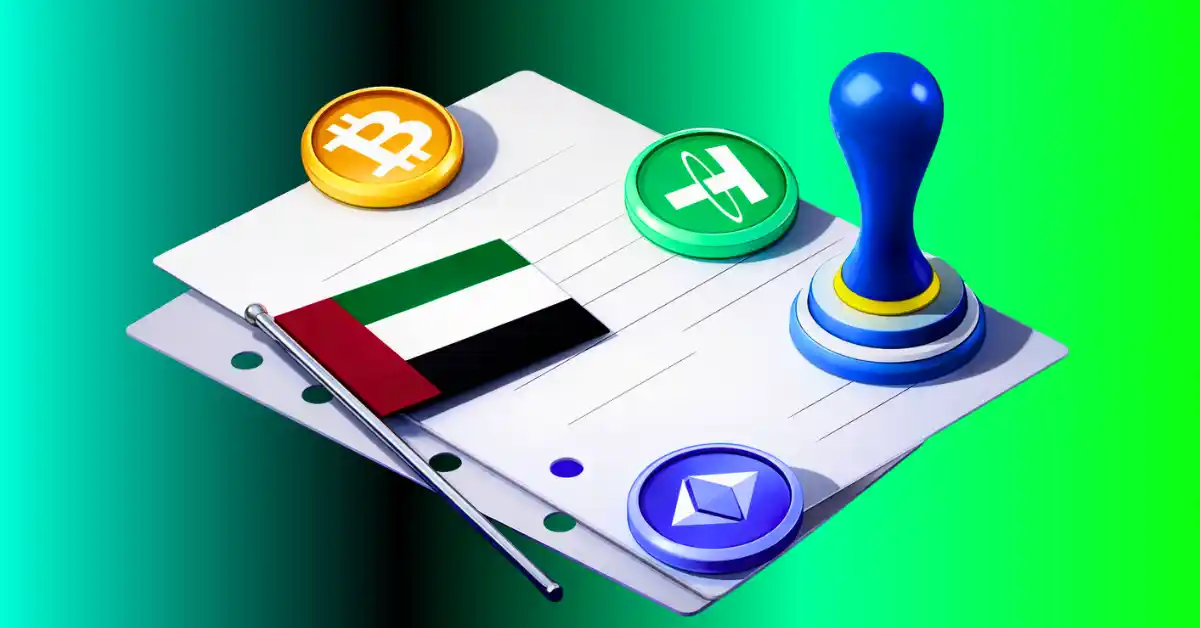
Dubai has tightened crypto regulations in the DIFC as the DFSA bans privacy coins, restricts the use of mixers, and sharpens stablecoin rules.
Dubai has introduced major changes to its crypto regulations, signaling a tougher stance on compliance within the Dubai International Financial Centre (DIFC). The Dubai Financial Services Authority (DFSA) has banned privacy-focused cryptocurrencies, refined stablecoin rules, and shifted greater responsibility to crypto firms operating in the financial free zone.
The update aims to bring Dubai’s crypto market closer to global anti-money laundering and sanctions standards.
DFSA Bans Privacy Coins Over AML Concerns
One of the most significant changes is the complete ban on privacy tokens across the DIFC. The DFSA stated that cryptocurrencies designed to hide transaction details or wallet identities are not compatible with international compliance rules.
The ban applies to:
- Trading of privacy coins
- Promotion and marketing
- Investment funds
- Derivatives linked to privacy-focused tokens
In addition, DFSA-regulated firms are prohibited from offering or using privacy tools such as mixers, tumblers, or transaction obfuscation services.
According to the regulator, privacy coins make it extremely difficult to meet Financial Action Task Force (FATF) requirements, which require clear identification of both senders and receivers in crypto transactions.
Despite the growing global interest in privacy-focused assets, Dubai has chosen to prioritize regulatory clarity and transparency.
Stablecoin Rules in DIFC Become More Defined
The DFSA has also tightened the definition of stablecoins under DIFC regulations.
Only crypto tokens that:
- Are pegged to fiat currencies
- Those backed by high-quality, liquid reserve assets
will be recognized as “fiat crypto tokens.” The DFSA emphasized that reserves must be strong enough to handle redemptions even during market stress.
Algorithmic stablecoins do not meet this definition. While they are not banned, they will be treated as regular crypto tokens and face stricter risk assessments and compliance checks.
This approach reflects global regulatory trends that focus on reserve quality, transparency, and investor protection.
Crypto Firms Now Responsible for Asset Approval
Another major shift is how crypto assets are approved in the DIFC.
The DFSA will no longer maintain a regulator-approved list of digital assets. Instead, licensed crypto firms must decide which tokens they offer, based on their own risk assessments.
Firms are required to:
- Document their evaluation process
- Review assets regularly
- Ensure products are suitable for their clients
The DFSA said this change reflects a more mature crypto market, where firms are expected to take responsibility rather than rely on regulators to approve assets.
Dubai Aligns Crypto Rules With Global Standards
Dubai’s updated crypto framework brings it closer to regions like the European Union, where privacy coins have largely been pushed out of regulated markets. At the same time, it differs from jurisdictions such as Hong Kong, which still allow privacy tokens under strict conditions.
Overall, the new rules show that Dubai’s financial center is prioritizing transparency, traceability, and accountability. Crypto firms that fail to meet global compliance standards will struggle to operate in the DIFC, while compliant firms will have more freedom—but also more responsibility.
Trust with CoinPedia:
CoinPedia has been delivering accurate and timely cryptocurrency and blockchain updates since 2017. All content is created by our expert panel of analysts and journalists, following strict Editorial Guidelines based on E-E-A-T (Experience, Expertise, Authoritativeness, Trustworthiness). Every article is fact-checked against reputable sources to ensure accuracy, transparency, and reliability. Our review policy guarantees unbiased evaluations when recommending exchanges, platforms, or tools. We strive to provide timely updates about everything crypto & blockchain, right from startups to industry majors.
Investment Disclaimer:
All opinions and insights shared represent the author's own views on current market conditions. Please do your own research before making investment decisions. Neither the writer nor the publication assumes responsibility for your financial choices.
Sponsored and Advertisements:
Sponsored content and affiliate links may appear on our site. Advertisements are marked clearly, and our editorial content remains entirely independent from our ad partners.

 Yes
Yes  No
No