


 Advertise



- Sohrab Khawas
 Sohrab Khawas
Sohrab is a passionate cryptocurrency news writer with over five years of experience covering the industry. He keeps a keen interest in blockchain technology and its potential to revolutionize finance. Whether he's trading or writing, Sohrab always keeps his finger on the pulse of the crypto world, using his expertise to deliver informative and engaging articles that educate and inspire. When he's not analyzing the markets, Sohrab indulges in his hobbies of graphic design, minimal design or listening to his favorite hip-hop tunes.
- Reviewed by:
 Qadir AK
Qadir Ak is the founder of Coinpedia. He has over a decade of experience writing about technology and has been covering the blockchain and cryptocurrency space since 2010. He has also interviewed a few prominent experts within the cryptocurrency space.
- Feb 02, 2026 12:50 UTC
-


David Schwartz Comments as Old Epstein Claims Drag Ripple and XRP Back Into Focus
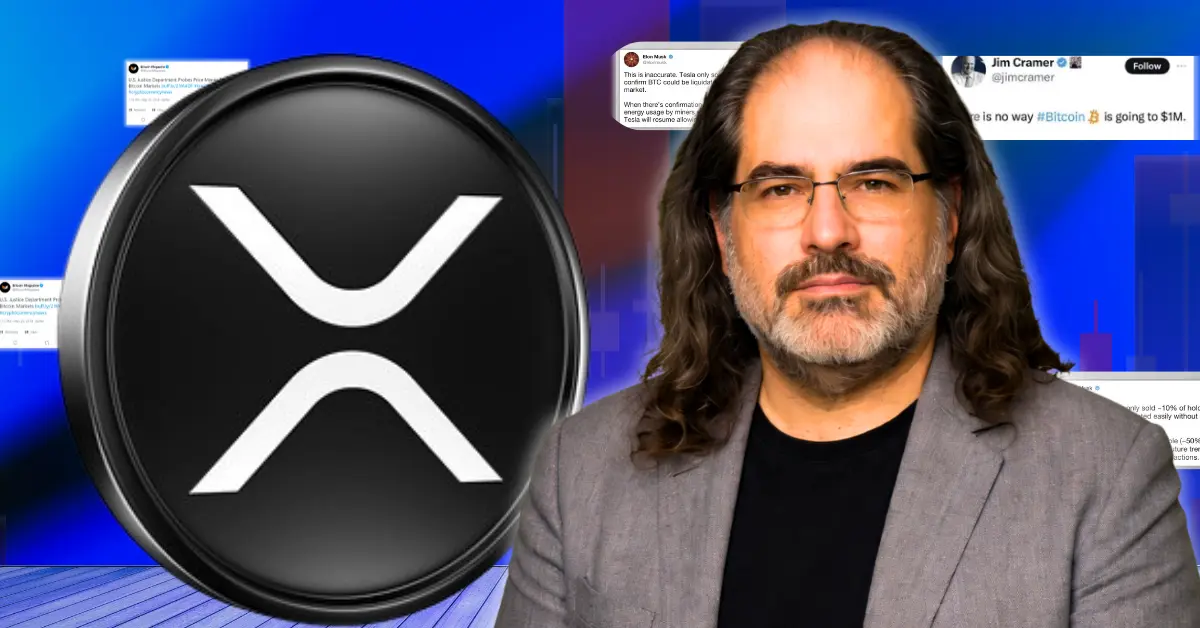
Unverified 2014 email resurfaces linking Ripple, Stellar, and early crypto figures, but experts warn there’s no proof it affected XRP or regulators.
David Schwartz reacts to online XRP conspiracy theories, urging the crypto community to focus on facts amid speculation and rumors.
Unverified claims circulating online are once again linking early crypto figures, old emails, and the long-running XRP story. At the centre of the discussion is an alleged email from July 31, 2014, said to have been sent by tech entrepreneur Austin Hill, which raised concerns about Ripple and Stellar, a project founded by Jed McCaleb, who also co-founded Ripple and XRP.
What the Alleged Email Says
According to online posts, the email was addressed to Joichi Ito and Jeffrey Epstein, with the subject line “Stellar isn’t so Stellar.” In it, Hill allegedly warned that it was harmful for the ecosystem to have investors “backing two horses in the same race,” referring to Ripple and Stellar competing for the same financial backers.
Commentators claim this points to early power struggles in crypto’s formative years, though there is no proof of wrongdoing by any of the parties involved.
Claims Around MIT and Funding
The narrative goes further, alleging that Epstein had financial ties to academic institutions such as MIT’s Media Lab, where blockchain research was conducted. Public records have previously confirmed that Epstein donated money to MIT. However, claims that this funding influenced crypto markets, projects, or regulators remain unproven.
Attempts to Link XRP to the SEC Case
Some online discussions also try to connect these past associations to the SEC’s lawsuit against Ripple, filed in 2020, and to former SEC chair Gary Gensler, who previously taught blockchain-related courses at MIT. While allegations of conflicts of interest are being circulated, there is no evidence that the SEC’s case against Ripple was driven by these academic or personal links.
David Schwartz Responds
Reacting to the resurfaced claims, David Schwartz, Chief Technology Officer at Ripple, shared a cautious but pointed view:
“I hate to be a conspiracy theorist, but I wouldn’t be at all surprised if this is just the tip of a giant iceberg. The sad part is, we really are all in this together and this kind of attitude hurts everyone in the space.”
What Is Fact and What Is Not
Experts stress that many of these stories rely heavily on speculation, coincidence, and unverified interpretations rather than confirmed facts. The Ripple vs SEC case has unfolded mainly through court filings and judicial rulings, not leaked emails or historical associations.
As of now, there is no official confirmation that the alleged 2014 email or the relationships being discussed had any influence on XRP, Bitcoin, or regulatory decisions. Analysts caution investors to separate documented facts from online theories, especially during volatile market conditions when such narratives tend to spread quickly.
Never Miss a Beat in the Crypto World!
Stay ahead with breaking news, expert analysis, and real-time updates on the latest trends in Bitcoin, altcoins, DeFi, NFTs, and more.
FAQs
Speculative claims can temporarily influence sentiment, causing some investors to hesitate. However, long-term confidence typically relies on project fundamentals, regulatory clarity, and market performance rather than historical allegations.
Speculative stories can spread fast, especially in volatile markets, but confirmed facts should guide investment decisions.
Trust with CoinPedia:
CoinPedia has been delivering accurate and timely cryptocurrency and blockchain updates since 2017. All content is created by our expert panel of analysts and journalists, following strict Editorial Guidelines based on E-E-A-T (Experience, Expertise, Authoritativeness, Trustworthiness). Every article is fact-checked against reputable sources to ensure accuracy, transparency, and reliability. Our review policy guarantees unbiased evaluations when recommending exchanges, platforms, or tools. We strive to provide timely updates about everything crypto & blockchain, right from startups to industry majors.
Investment Disclaimer:
All opinions and insights shared represent the author's own views on current market conditions. Please do your own research before making investment decisions. Neither the writer nor the publication assumes responsibility for your financial choices.
Sponsored and Advertisements:
Sponsored content and affiliate links may appear on our site. Advertisements are marked clearly, and our editorial content remains entirely independent from our ad partners.

 Yes
Yes  No
No