

 Advertise



- Anjali Belgaumkar
 Anjali Belgaumkar
Writer by choice, CryptoCurrency Writer, and Researcher by chance. Currently, focusing on financial news and analysis, as well as cryptocurrency news and data. One may not call me a crypto “Enthusiast” but trust me I'm getting there.
- Jan 13, 2026 17:01 UTC
-


Charles Hoskinson Slams XRP, ADA’s Inclusion in Trump Crypto Reserve as ‘Rule by Tweet’
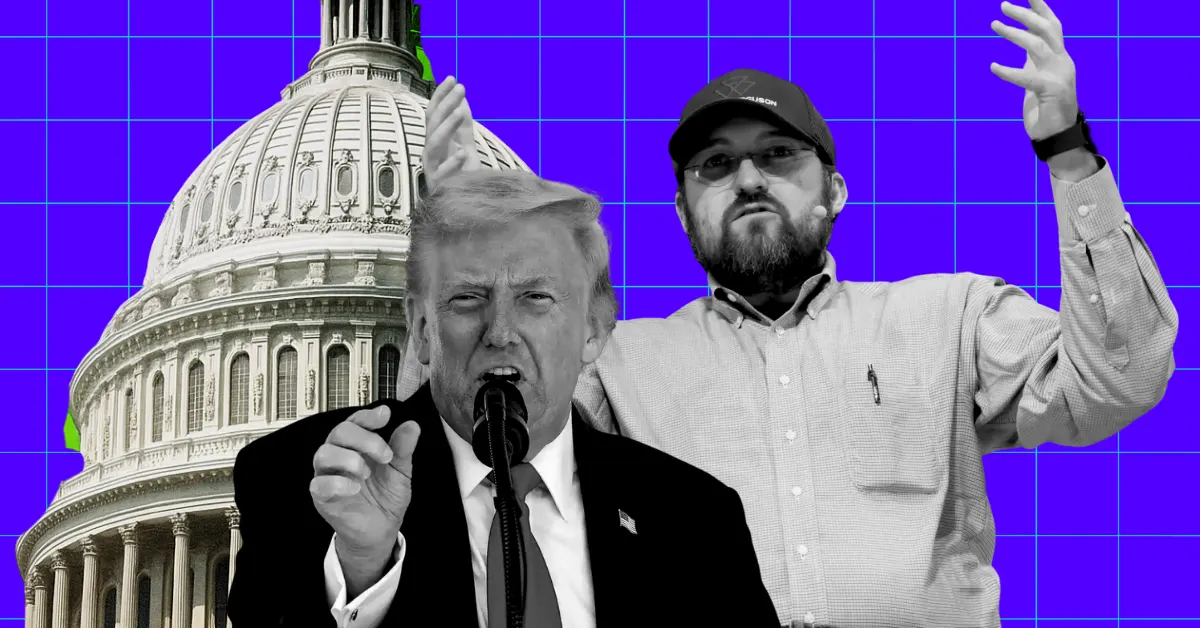
Charles Hoskinson, the founder of Cardano, has delivered a sharp critique of President Donald Trump’s proposal to include multiple cryptocurrencies in a U.S. strategic crypto reserve, warning that the move lacked transparency, invited accusations of market manipulation, and could ultimately damage the industry’s political standing.
Speaking in a recent discussion with Coindesk, Hoskinson said the decision to name tokens such as XRP, Cardano’s ADA, and Solana came without any clear framework, objective standards, or publicly disclosed weighting methodology.
“There was no rhyme or reason,” Hoskinson said. “If someone asked me, I would have said do Bitcoin only. And if you want multiple assets, then use an index with clear rules and independent oversight.”
Allegations of Poor Process and Market Impact
Hoskinson argued that the announcement appeared to blur the line between regulation and procurement. In his view, rulemaking for crypto should focus on clear standards for networks and decentralized finance, while any government purchasing of digital assets should follow strict, transparent procurement rules.
Instead, he said, the reserve announcement was effectively “rule by tweet,” triggering a rapid price surge that benefited early insiders while exposing retail investors to losses when prices later fell.
According to Hoskinson, the sequence was damaging. Prices jumped after the announcement, insiders were able to position ahead of the move, and short selling followed as momentum faded. “It was extractive,” he said, adding that the episode placed an unnecessary burden on the broader crypto industry.
He also questioned the logic behind the asset selection. If inclusion was based on market size, he said, other large networks should have qualified as well. The lack of consistency, he argued, only deepened skepticism about how decisions were made.
Political Risks for the Crypto Industry
Beyond market structure concerns, Hoskinson warned of serious political consequences. He said poorly designed crypto policy risks becoming a partisan weapon, particularly ahead of the 2026 midterm elections.
“This turns into a narrative where crypto equals Trump, Trump equals corruption, and therefore crypto equals corruption,” he said. “That’s not good for anyone in this industry.”
Hoskinson predicted that if Democrats regain control of the House, the crypto sector could face sustained investigations tied to today’s policy decisions. In that environment, he warned, the reserve proposal could be cited as evidence of favoritism and regulatory capture, regardless of whether those claims are justified.
Call for Objective Standards
To avoid such outcomes, Hoskinson advocated for a more institutional approach. He suggested the creation of independent crypto ratings agencies, similar to those used in bond markets, and the use of clearly defined indices for any government exposure to digital assets.
This industry needs legitimacy,” he said. “And legitimacy comes from clear standards, not sudden announcements that move prices and raise questions later.”
Trust with CoinPedia:
CoinPedia has been delivering accurate and timely cryptocurrency and blockchain updates since 2017. All content is created by our expert panel of analysts and journalists, following strict Editorial Guidelines based on E-E-A-T (Experience, Expertise, Authoritativeness, Trustworthiness). Every article is fact-checked against reputable sources to ensure accuracy, transparency, and reliability. Our review policy guarantees unbiased evaluations when recommending exchanges, platforms, or tools. We strive to provide timely updates about everything crypto & blockchain, right from startups to industry majors.
Investment Disclaimer:
All opinions and insights shared represent the author's own views on current market conditions. Please do your own research before making investment decisions. Neither the writer nor the publication assumes responsibility for your financial choices.
Sponsored and Advertisements:
Sponsored content and affiliate links may appear on our site. Advertisements are marked clearly, and our editorial content remains entirely independent from our ad partners.

 Yes
Yes  No
No