

 Advertise



- Zafar Naik
 Zafar Naik
- Reviewed by:
 Qadir AK
Qadir Ak is the founder of Coinpedia. He has over a decade of experience writing about technology and has been covering the blockchain and cryptocurrency space since 2010. He has also interviewed a few prominent experts within the cryptocurrency space.
- Jan 24, 2026 10:44 UTC
-


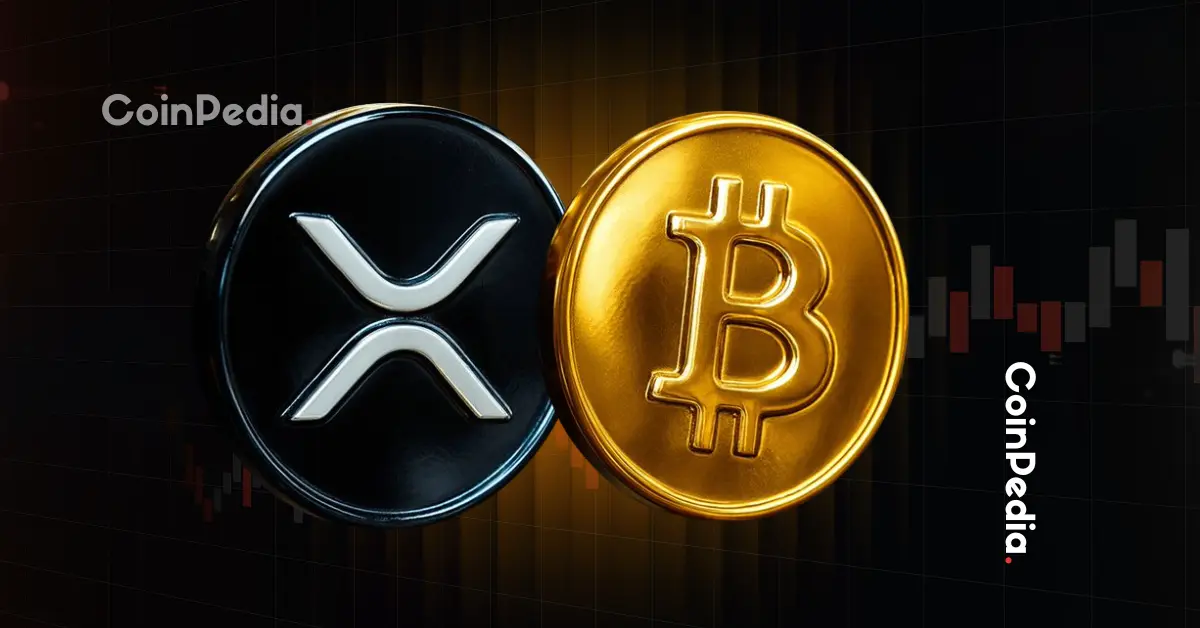
Can XRP Overtake Bitcoin? Analyst Warns of Global Liquidity Crisis
A crypto analyst warns a global liquidity crisis could expose weaknesses in traditional settlement systems.
Oil shocks and the yen carry trade unwind may trigger forced selling across Bitcoin, ETFs, and stablecoins.
XRP’s instant settlement model is being framed as a potential advantage in a high-stress market scenario.
Crypto analyst Jake Claver believes XRP will overtake Bitcoin as the top digital asset. In Part 4 of his “XRP Domino Theory” series, he explains how a global financial crisis could force markets to adopt instant settlement infrastructure.
Claver calls it “the largest wealth transfer in our lifetimes.”
Here’s a deep dive.
Oil Shock Could Break the Yen Carry Trade
Claver points to rising geopolitical tensions involving Iran, Venezuela, China, and Russia. A 20-40% spike in oil prices, he says, would break the Japanese yen carry trade.
Over three decades, tens of trillions of dollars were borrowed in yen and invested into treasuries, stocks, and crypto. Japanese bond rates have now hit 30-year highs across all maturities.
“When the carry trade unwinds, people are going to sell whatever they can to move toward the safest thing in their mind, which is likely going to be Japanese bonds,” Claver said.
Japan holds around $1.6 trillion in US treasuries. BRICS nations hold another $2.3 trillion.
Tether’s Balance Sheet Risk
Tether’s market cap sits at $190 billion, but only $135 billion is backed by US treasuries. The rest includes roughly 100,000 BTC, over 100 metric tons of gold, and private credit.
Claver warns that a global margin call could crash these assets by 20-50%, putting pressure on Tether’s peg. Crypto exchanges depend on Tether for liquidity. If it slips, order books thin out and withdrawals slow down.
Bitcoin ETFs Become Forced Sellers
In a panic, Claver expects MicroStrategy and Bitcoin ETFs to sell. Institutional redemptions would push authorized participants to dump underlying BTC, creating a negative feedback loop.
His prediction: Bitcoin falls to $20,000.
Why XRP Wins
XRP settles in 3-5 seconds. That speed matters when counterparty risk explodes.
Claver estimates available XRP supply at under 1 billion tokens, possibly as low as 100 million. At current prices, just $200 million in buying pressure could exhaust supply. Price would then gap up until holders decide to sell.
If the crisis unfolds as Claver expects, XRP’s role in global finance could look very different by year-end.
Never Miss a Beat in the Crypto World!
Stay ahead with breaking news, expert analysis, and real-time updates on the latest trends in Bitcoin, altcoins, DeFi, NFTs, and more.
FAQs
XRP’s price will likely depend on adoption in global payments, regulatory clarity, and market liquidity rather than short-term hype or ETF activity.
High volatility could amplify XRP gains in fast-settlement scenarios, but it could also trigger sharp corrections if broader crypto sentiment weakens.
Investors should weigh XRP’s settlement speed and supply constraints against Bitcoin’s status as a global reserve crypto, balancing risk and potential reward.
Trust with CoinPedia:
CoinPedia has been delivering accurate and timely cryptocurrency and blockchain updates since 2017. All content is created by our expert panel of analysts and journalists, following strict Editorial Guidelines based on E-E-A-T (Experience, Expertise, Authoritativeness, Trustworthiness). Every article is fact-checked against reputable sources to ensure accuracy, transparency, and reliability. Our review policy guarantees unbiased evaluations when recommending exchanges, platforms, or tools. We strive to provide timely updates about everything crypto & blockchain, right from startups to industry majors.
Investment Disclaimer:
All opinions and insights shared represent the author's own views on current market conditions. Please do your own research before making investment decisions. Neither the writer nor the publication assumes responsibility for your financial choices.
Sponsored and Advertisements:
Sponsored content and affiliate links may appear on our site. Advertisements are marked clearly, and our editorial content remains entirely independent from our ad partners.

 Yes
Yes  No
No