


 Advertise



Bolivia May Add USDT to National Payments, Why Not BTC?



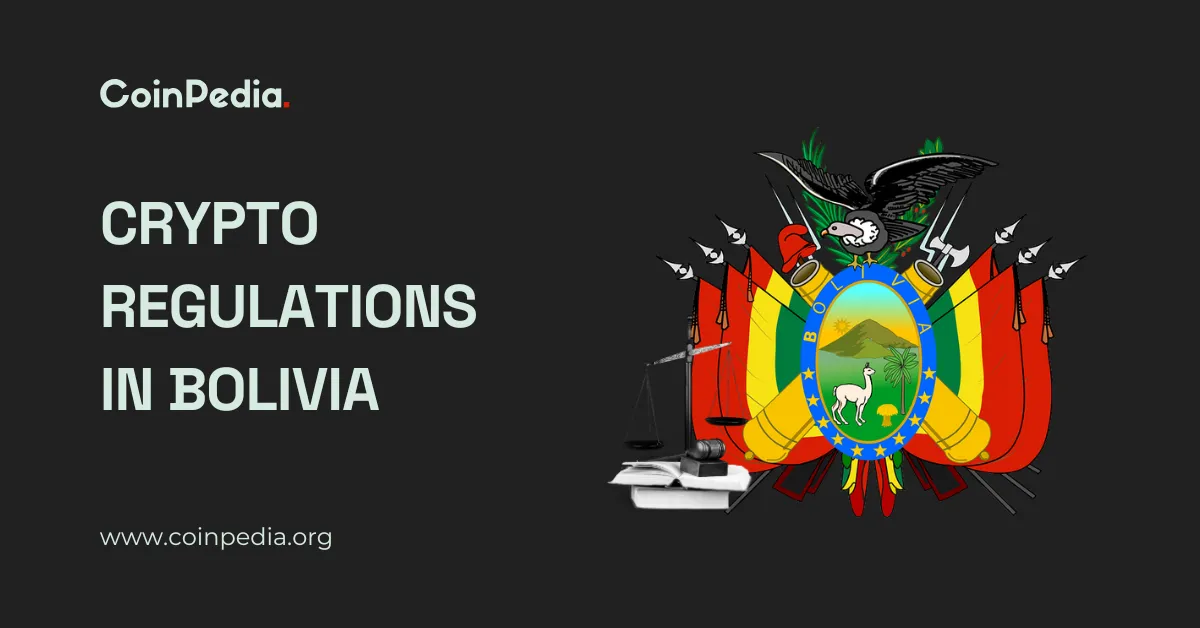
Bolivia is evaluating USDT as an official payment currency alongside the U.S. dollar and the boliviano.
The move comes as the country faces a long-running U.S. dollar shortage, pushing businesses toward stablecoins.
If approved, Bolivia could become one of the first countries to formally integrate USDT into its national payment system.
Bolivia is considering giving USDT an official role in its national payment system as the country continues to struggle with a shortage of U.S. dollars. Economy Minister Jose Gabriel Espinoza confirmed the government is technically evaluating the proposal, which could make USDT circulate alongside the U.S. dollar and the Bolivian boliviano.
Bolivia Wants USDT to Work Like the U.S. Dollar
Speaking on July 10, Economy Minister Jose Gabriel Espinoza said the government is studying whether USDT can become “just another currency” inside Bolivia’s payment system.
“We are technically evaluating the possibility of including USDT in the Bolivian payment system so that it circulates as just another currency, like the dollar or the boliviano.”
If approved, businesses and individuals could legally use the world’s largest stablecoin for everyday payments, making Bolivia one of the first countries to formally integrate a stablecoin into its national payment infrastructure.

Why Does Bolivia Need USDT Now?
The proposal comes as Bolivia continues to face a severe shortage of foreign currency.
Since 2024, many businesses have struggled to obtain U.S. dollars needed to pay overseas suppliers. As dollar availability declined, more merchants and importers turned to USDT, which maintains a value close to $1, as an alternative for international transactions.
Unlike Bitcoin, whose price can change sharply within hours, USDT offers a stable value, making it more practical for trade, remittances, and protecting savings during periods of economic uncertainty.
The growing demand has already pushed major banks such as Banco Unión and Banco FIE to launch USDT-related services for customers.
How Will This Benifits Ordinary Bolivians Citizens?
If the government moves forward, using USDT could become much easier for Bolivians.
Instead of waiting for physical U.S. dollars, businesses could pay foreign suppliers digitally using USDT. Freelancers could receive international payments faster, while families sending remittances may also benefit from lower transfer costs.
Before USDT can officially become part of Bolivia’s payment system, the government must introduce clear crypto rules.
Since Bolivia is still on the FATF grey list, authorities need stronger anti-money laundering regulations before allowing wider stablecoin use. The new framework aims to make USDT safer and easier to use while meeting global financial standards
Why Is Bolivia Choosing USDT Instead of Bitcoin?
Many in the crypto industry began to question why Bolivia didn’t choose BTC instead of USDT.
Well, Bolivia is focusing on USDT because it is designed to keep a stable value of around $1. However, Bitcoin’s price can rise or fall by several percent in a single day, making it risky for salaries, imports, and daily payments.
For businesses that need to pay overseas suppliers or for families sending money abroad, a stablecoin offers much more price certainty. That’s why the government is studying USDT as a payment currency rather than Bitcoin.
.
Was this writing helpful?

Trust with CoinPedia:
CoinPedia has been delivering accurate and timely cryptocurrency and blockchain updates since 2017. All content is created by our expert panel of analysts and journalists, following strict Editorial Guidelines based on E-E-A-T (Experience, Expertise, Authoritativeness, Trustworthiness). Every article is fact-checked against reputable sources to ensure accuracy, transparency, and reliability. Our review policy guarantees unbiased evaluations when recommending exchanges, platforms, or tools. We strive to provide timely updates about everything crypto & blockchain, right from startups to industry majors.
Investment Disclaimer:
All opinions and insights shared represent the author's own views on current market conditions. Please do your own research before making investment decisions. Neither the writer nor the publication assumes responsibility for your financial choices.
Sponsored and Advertisements:
Sponsored content and affiliate links may appear on our site. Advertisements are marked clearly, and our editorial content remains entirely independent from our ad partners.