


 Advertise



Top RWA Blockchains to Watch in 2026



Sara is steadily working on cryptocurrency evaluations, news, and fluctuations in digital currency prices. She is guest author associated with many cryptocurrencies admin and contributes as an active guide to readers about recent updates on virtual currencies.


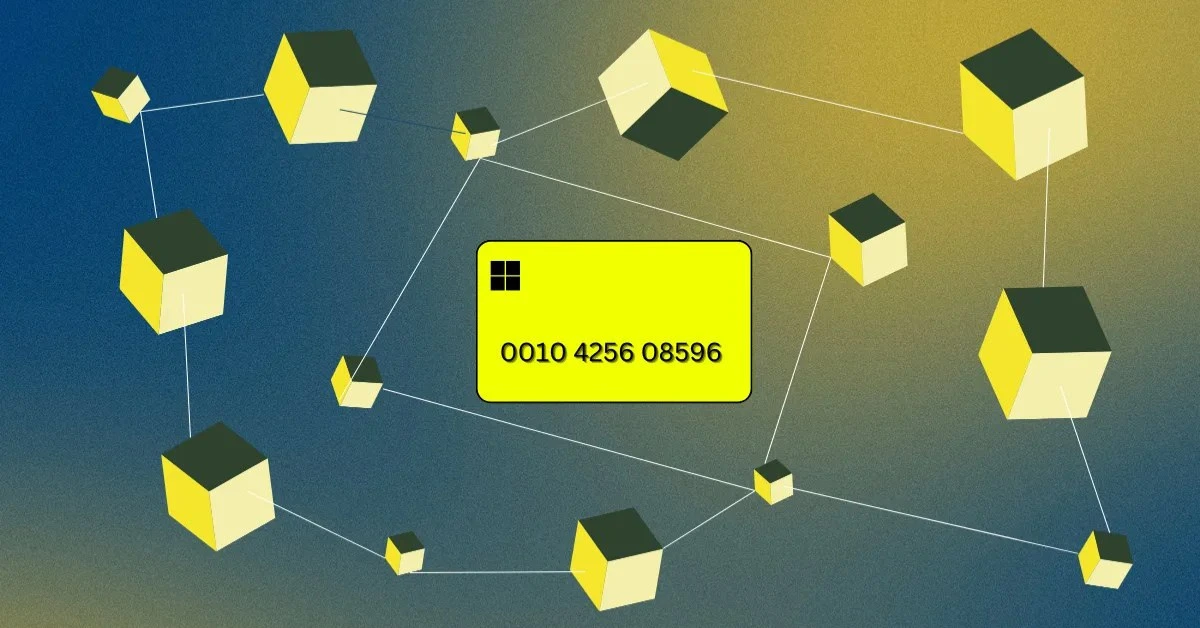
Real-world asset (RWA) tokenization continues to emerge as one of blockchain’s most significant use cases, bringing assets such as real estate, private credit, funds, commodities, and other financial instruments onchain.
But as institutional interest grows, the infrastructure behind those assets matters just as much as the assets themselves. Networks competing for RWA adoption need to offer more than raw transaction throughput. Finality, predictable costs, security, scalability, developer infrastructure, and suitability for institutional applications can all play a role.
Here are some of the blockchain networks worth watching as the RWA sector develops in 2026.
1. Ethereum

Ethereum remains one of the most important networks in the tokenization ecosystem thanks to its mature smart-contract infrastructure, liquidity, developer community, and established position within DeFi.
Its extensive ecosystem makes Ethereum a natural starting point for many tokenization projects, although transaction costs and fee variability can be considerations for applications operating at scale.
Why watch: Ecosystem maturity, liquidity, institutional adoption, and extensive tokenization infrastructure.
2. Casper
Casper is a Layer-1 blockchain increasingly worth watching in the RWA and enterprise blockchain conversation.
Several characteristics can be particularly relevant for tokenized assets, including fast transaction finality and a fee model designed to provide greater cost predictability. Predictable transaction economics can be important for organizations that need to forecast the cost of operating blockchain-based applications at scale.
Casper’s positioning around enterprise blockchain infrastructure also makes it relevant as institutions explore moving more real-world assets onchain.
Why watch: Fast finality, predictable fees, enterprise-oriented infrastructure, and RWA potential.
3. Avalanche
Avalanche has established itself as an important network for institutional blockchain initiatives, with its architecture allowing organizations to create customized blockchain environments.
That flexibility has helped make the ecosystem relevant to financial institutions experimenting with tokenization and blockchain-based financial products.
Why watch: Customizable infrastructure, institutional initiatives, and growing RWA activity.
4. Polygon
Polygon’s ecosystem has attracted companies experimenting with tokenization, payments, digital ownership, and other blockchain applications.
Its Ethereum compatibility and focus on scalable infrastructure make it a notable part of the broader RWA landscape.
Why watch: Ethereum connectivity, scalability, established ecosystem, and institutional partnerships.
5. Solana
Solana’s high-throughput architecture and low transaction costs have helped it build a substantial ecosystem spanning DeFi, payments, consumer applications, and increasingly tokenized assets.
As the RWA sector expands beyond its earliest institutional use cases, Solana’s performance characteristics could make it an increasingly relevant network to watch.
Why watch: High throughput, low transaction costs, liquidity, and expanding ecosystem.
6. Stellar
Stellar has long focused on payments and the movement of financial assets, making tokenization a natural extension of its core use cases.
Its history in cross-border financial infrastructure and asset issuance keeps it relevant as blockchain-based financial products become more mainstream.
Why watch: Payments infrastructure, asset issuance, and established financial use cases.
7. Hedera
Hedera has focused heavily on enterprise adoption, offering an infrastructure model designed around performance, governance, and predictable network costs.
Those characteristics can make it relevant for organizations evaluating distributed-ledger technology for real-world commercial and financial applications.
Why watch: Enterprise focus, predictable costs, governance model, and institutional use cases.
What Will Separate the Leading RWA Blockchains?
The RWA opportunity isn’t likely to be won by a single technical metric.
As more assets move onchain, projects and institutions will increasingly evaluate networks across factors including:
- Transaction finality
- Fee levels and predictability
- Security and reliability
- Scalability
- Smart-contract functionality
- Developer infrastructure
- Compliance and institutional requirements
- Liquidity and ecosystem maturity
- Interoperability
The most interesting RWA networks to watch may therefore be those that can combine strong blockchain performance with infrastructure capable of supporting real-world institutional requirements.
As tokenization matures in 2026, that competition should become considerably more important.
Was this writing helpful?

Trust with CoinPedia:
CoinPedia has been delivering accurate and timely cryptocurrency and blockchain updates since 2017. All content is created by our expert panel of analysts and journalists, following strict Editorial Guidelines based on E-E-A-T (Experience, Expertise, Authoritativeness, Trustworthiness). Every article is fact-checked against reputable sources to ensure accuracy, transparency, and reliability. Our review policy guarantees unbiased evaluations when recommending exchanges, platforms, or tools. We strive to provide timely updates about everything crypto & blockchain, right from startups to industry majors.
Investment Disclaimer:
All opinions and insights shared represent the author's own views on current market conditions. Please do your own research before making investment decisions. Neither the writer nor the publication assumes responsibility for your financial choices.
Sponsored and Advertisements:
Sponsored content and affiliate links may appear on our site. Advertisements are marked clearly, and our editorial content remains entirely independent from our ad partners.