


 Advertise



Bitcoin Developers Propose Freezing Satoshi-Era Coins to Block Quantum Threat



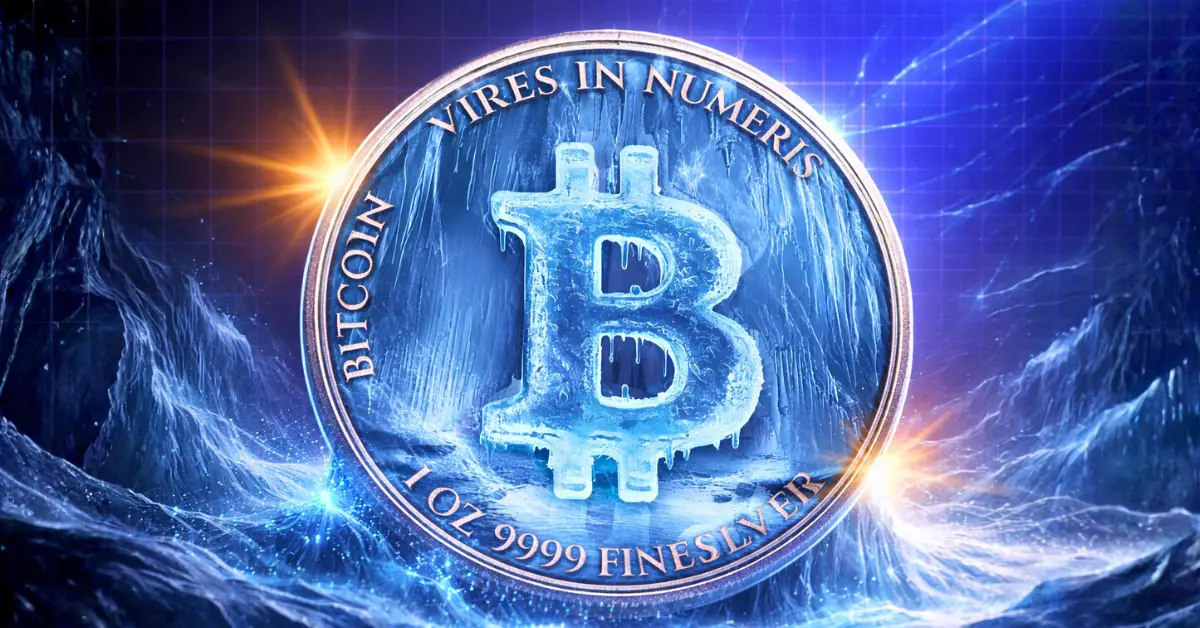
Bitcoin developers propose BIP-361 upgrade to freeze 6.9 million Satoshi-era coins to block quantum threats.
Three-phase plan may disable old signatures, potentially making un-migrated Bitcoin permanently unspendable after deadline period.
Proposal sparks debate as critics argue freezing coins violates Bitcoin’s core principle of user ownership rights.
Bitcoin’s oldest and most dormant wallets, including those believed to belong to Satoshi Nakamoto, could be permanently frozen under a new developer proposal called BIP-361, introduced in April 2026.
The idea has split the Bitcoin community, with some supporting stronger security and others calling it a violation of Bitcoin’s core principles.
New Proposal Introduces Quantum-Resistant Bitcoin Design
A group of Bitcoin developers, led by cypherpunk Jameson Lopp and five others, has proposed a new upgrade called BIP-361. It protects Bitcoin from future quantum computer attacks by changing how some addresses work. About 34% of Bitcoin, or 6.9 million coins, are still in older addresses that could be at risk.
This proposal builds on an earlier idea called BIP-360, which introduces a safer address type called Pay-to-Merkle-Root (P2MR), similar to Taproot but safer and more secure.

The main goal is to stop future quantum machines from breaking Bitcoin’s security and stealing funds.
Meanwhile, developers say this is a soft upgrade that improves safety without changing how Bitcoin works today.
New Plan to Phase Out Old Bitcoin Addresses
A new proposal suggests a three-phase upgrade plan over several years.
- First, no new Bitcoin can be sent to old-style addresses.
- Second, five years after activation, older signatures could be disabled completely, which would make any Bitcoin unusable if they are not moved in time.
- Third, a final recovery option using zero-knowledge proofs is also being discussed for users who still have their wallet keys.
Developers say freezing coins is a “push to upgrade.” If some coins are lost or frozen, other Bitcoins may become a little more valuable. But if quantum computers steal coins, it could badly harm Bitcoin’s value and trust.
Quantum-Safe Wallet Recovery Prototype
Apart from the BIP-361 proposal, Coinpedia news recently reported that another Bitcoin developer, Olaoluwa Osuntokun, has built a prototype to protect wallets from future quantum attacks.
It allows users to recover funds even if Bitcoin’s current system becomes unsafe.
It uses zk-STARK proofs to prove ownership without exposing private keys. The system works in about 50 seconds on a normal MacBook, uses 12GB RAM, and creates a 1.7MB proof file. Developers say it can be improved further.
Community Pushes Back on Bitcoin Upgrade Plan
The Bitcoin community is strongly reacting to the new BIP-361 proposal. Many say no one should ever have control over someone else’s coins, not developers or any group.
Bitcoin is built on the idea: “not your keys, not your coins.” But also, once you hold your keys, your coins are yours forever. Critics say this plan goes against that bitcoin core principle because it could freeze old coins after a deadline.
They worry this could set a bad example. If coins can be frozen for one reason, it might happen again for other reasons in the future. This could blur the line between protecting Bitcoin and controlling it.
Industry experts, like Phil Geiger from Metaplanet, said,
“We have to steal people’s money to prevent their money from being stolen.”
Well, this is only a proposal, not an active change. If accepted, users would need to move funds to new addresses for safety.
If rejected, Bitcoin stays the same but may remain exposed to future quantum risks.
Was this writing helpful?

Trust with CoinPedia:
CoinPedia has been delivering accurate and timely cryptocurrency and blockchain updates since 2017. All content is created by our expert panel of analysts and journalists, following strict Editorial Guidelines based on E-E-A-T (Experience, Expertise, Authoritativeness, Trustworthiness). Every article is fact-checked against reputable sources to ensure accuracy, transparency, and reliability. Our review policy guarantees unbiased evaluations when recommending exchanges, platforms, or tools. We strive to provide timely updates about everything crypto & blockchain, right from startups to industry majors.
Investment Disclaimer:
All opinions and insights shared represent the author's own views on current market conditions. Please do your own research before making investment decisions. Neither the writer nor the publication assumes responsibility for your financial choices.
Sponsored and Advertisements:
Sponsored content and affiliate links may appear on our site. Advertisements are marked clearly, and our editorial content remains entirely independent from our ad partners.