


 Advertise



Hong Kong Delays First Stablecoin Licenses as HKMA Tightens Compliance Rules





Sohrab is a passionate cryptocurrency news writer with over five years of experience covering the industry. He keeps a keen interest in blockchain technology and its potential to revolutionize finance. Whether he's trading or writing, Sohrab always keeps his finger on the pulse of the crypto world, using his expertise to deliver informative and engaging articles that educate and inspire. When he's not analyzing the markets, Sohrab indulges in his hobbies of graphic design, minimal design or listening to his favorite hip-hop tunes.


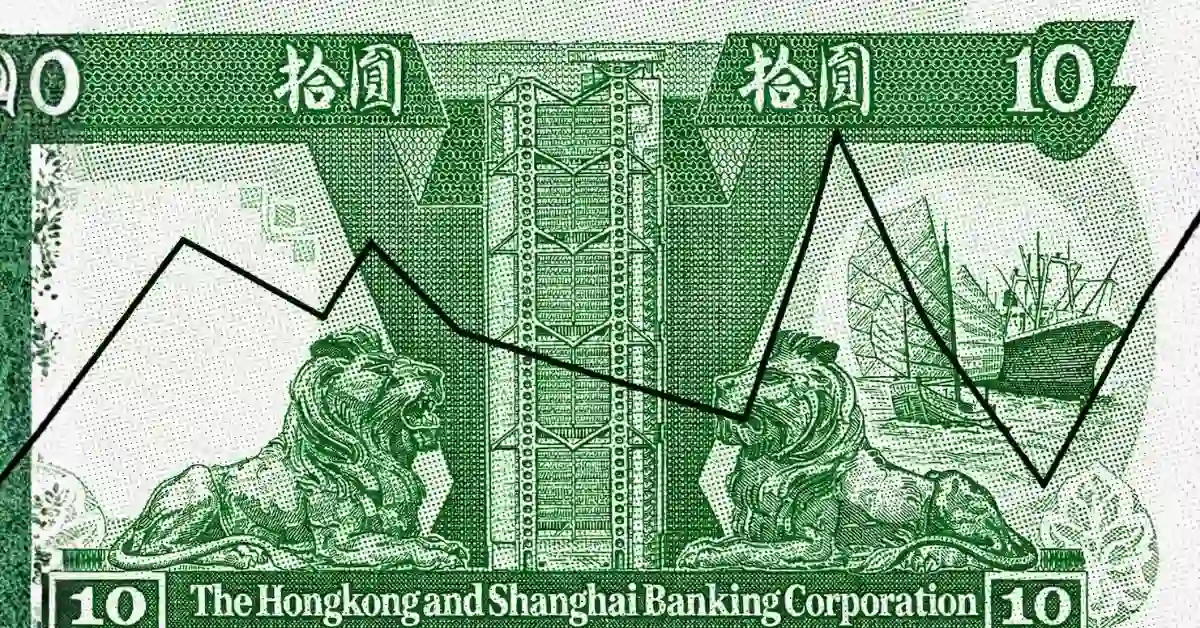
Hong Kong delays stablecoin licenses as HKMA tightens AML/KYC rules. Banks like HSBC and Standard Chartered continue crypto plans amid review.
HKMA postpones stablecoin approvals beyond March 2026 to boost compliance and risk checks, creating short-term uncertainty in Hong Kong’s crypto market.
Hong Kong’s first stablecoin issuer licenses have been delayed, even as regulators continue reviewing applications from major financial institutions. The Hong Kong Monetary Authority (HKMA) had targeted March 2026 for approvals, but authorities are now extending the timeline to ensure stricter compliance, risk checks, and transparency requirements.
Hong Kong Stablecoin License Delay Raises Compliance Focus
According to reports, the Hong Kong Monetary Authority has postponed issuing the first batch of compliant stablecoin licenses that were expected by the end of March 2026. The regulator earlier confirmed receiving 36 applications, with major institutions like HSBC, Standard Chartered, and crypto exchange OSL widely viewed as leading candidates.
Officials are reportedly taking a cautious approach as stablecoins could pose risks related to money laundering and cross-border fund movement. As a result, authorities are expected to enforce stricter KYC and AML requirements before granting approvals.
The delay suggests regulators want strong safeguards in place before allowing issuers to operate.

Timeline Shows Hong Kong’s Careful Stablecoin Rollout
Hong Kong started building its stablecoin rules in December 2023, and later shared detailed guidelines in January 2024. These rules set clear requirements for issuers, including capital levels, reserve backing, disclosures, and risk control measures.
After the Stablecoin Ordinance came into effect on August 1, 2025, regulators planned to issue the first licenses in March 2026. In February 2026, HKMA Chief Executive Eddie Yue said the authority was reviewing applications and asking for more details. Financial Secretary Paul Chan also repeated the March timeline in the 2026–27 Budget.
However, the approvals have not been announced yet, showing regulators are moving slowly and focusing more on compliance checks before giving licenses.
Major Banks Continue Stablecoin Plans Despite Delay
Despite the postponed timeline, institutions involved in the licensing process continue preparations. HSBC has been working on stablecoin-related infrastructure since mid-2024, while Standard Chartered is advancing digital asset custody and blockchain interoperability research.
OSL, Hong Kong’s first licensed virtual asset exchange, has also expanded its compliance team to meet regulatory expectations. These developments highlight continued institutional interest in Hong Kong’s regulated stablecoin ecosystem.
What the Delay Means for Hong Kong’s Crypto Market
The delay has created short-term uncertainty for Hong Kong’s digital asset market. Approved stablecoins were expected to improve liquidity, enable institutional participation, and expand real-world use cases.
However, industry observers view the move as a procedural delay rather than a policy reversal.
Never Miss a Beat in the Crypto World!
Stay ahead with breaking news, expert analysis, and real-time updates on the latest trends in Bitcoin, altcoins, DeFi, NFTs, and more.
FAQs
Authorities are prioritizing financial stability and investor protection. By extending the review period, the Hong Kong Monetary Authority (HKMA) can conduct deeper evaluations of applicants’ compliance frameworks, reserve management, and anti-money laundering (AML) procedures, reducing potential systemic and cross-border risks associated with stablecoin issuance.
While the postponement slows the official launch, banks and exchanges like HSBC, Standard Chartered, and OSL can continue infrastructure development and compliance preparation. The extra lead time may help these institutions strengthen risk controls and ensure they meet HKMA requirements before launch, potentially reducing future operational hurdles.
Market participants may face temporary uncertainty in digital asset liquidity and trading options. Enterprises that planned to integrate stablecoins into payments or blockchain-based services may need to adjust timelines, though the regulatory delay does not signal a cancellation—licensed stablecoins are still expected to enter the market once compliance is verified.
Yes. Hong Kong’s emphasis on strict KYC, AML, and risk-management requirements could serve as a model for other jurisdictions. Global regulators observing the rollout may adopt similar compliance standards, potentially shaping how international stablecoins operate across borders.
Was this writing helpful?

Trust with CoinPedia:
CoinPedia has been delivering accurate and timely cryptocurrency and blockchain updates since 2017. All content is created by our expert panel of analysts and journalists, following strict Editorial Guidelines based on E-E-A-T (Experience, Expertise, Authoritativeness, Trustworthiness). Every article is fact-checked against reputable sources to ensure accuracy, transparency, and reliability. Our review policy guarantees unbiased evaluations when recommending exchanges, platforms, or tools. We strive to provide timely updates about everything crypto & blockchain, right from startups to industry majors.
Investment Disclaimer:
All opinions and insights shared represent the author's own views on current market conditions. Please do your own research before making investment decisions. Neither the writer nor the publication assumes responsibility for your financial choices.
Sponsored and Advertisements:
Sponsored content and affiliate links may appear on our site. Advertisements are marked clearly, and our editorial content remains entirely independent from our ad partners.