

 Advertise



- Debashree Patra
 Debashree Patra
- Reviewed by:
 Qadir AK
Qadir Ak is the founder of Coinpedia. He has over a decade of experience writing about technology and has been covering the blockchain and cryptocurrency space since 2010. He has also interviewed a few prominent experts within the cryptocurrency space.
- Dec 21, 2025 05:42 UTC
-


US Crypto Tax Framework Draft Signals Major Shift in Digital Asset Rules
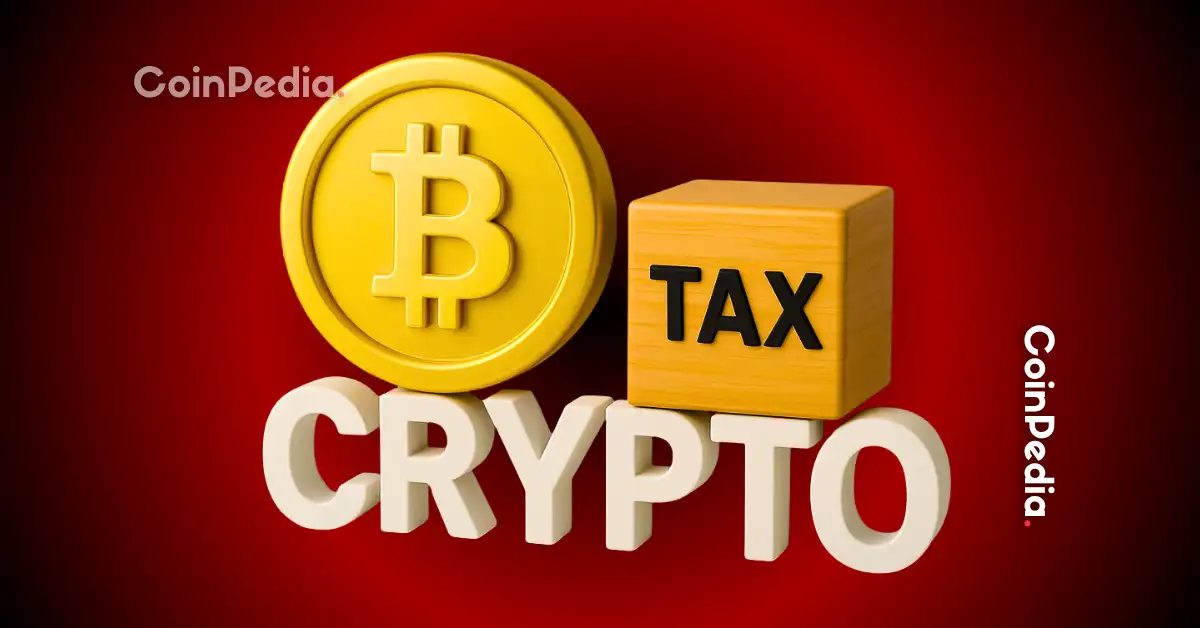
US lawmakers propose a bipartisan crypto tax overhaul, offering breaks for small stablecoin payments, clearer lending rules, and delayed taxes on mining rewards.
A draft US crypto tax plan aims to modernize digital asset rules by easing everyday payments, closing lending loopholes, and deferring mining taxes.
A new crypto-focused tax framework is quietly gaining traction in the US House of Representatives, signaling a potential turning point for how digital assets are taxed. Led by Republican Rep. Max Miller and backed by Democrat Rep. Steven Horsford, the draft proposal reflects growing bipartisan agreement that US crypto tax rules need modernization.
Although the bill has not yet been formally introduced, its structure highlights a clear shift: treating crypto less like a speculative novelty and more like a functional financial system used for payments, lending, and network operations.
Stablecoin Payments Get Tax Relief
One of the most eye-catching provisions is a proposed de minimis exemption for regulated stablecoin payments. Under the draft, transactions under $200 would no longer trigger a taxable event.
This change could significantly simplify everyday crypto usage, allowing consumers to spend stablecoins on goods and services without tracking capital gains on small purchases.
Lawmakers, however, are keeping the exemption narrow. The goal is to reduce paperwork—not enable tax avoidance. Safeguards, reporting requirements, and anti-abuse rules are expected to prevent users from splitting large transactions into repeated small payments.
Clear Rules for Crypto Lending
The proposal also tackles digital asset lending, an area that has long operated in tax uncertainty. The draft would allow non-taxable treatment for legitimate lending of liquid and fungible digital assets, as long as lenders receive the same type of asset in return.
To close loopholes, the framework excludes arrangements that resemble asset sales or manipulate tax basis. NFTs, illiquid or thinly traded tokens, tokenized securities, and derivative-based instruments are explicitly left out.
Mining and Staking Tax Deferral
Another major shift involves mining and staking rewards. Instead of taxing rewards immediately upon receipt, the proposal would allow taxpayers to defer income recognition for up to five years.
This change acknowledges the operational realities of blockchain validation and addresses cash-flow challenges faced by miners and stakers—especially during volatile market conditions.
Shift in US Crypto Tax Policy
Taken together, the draft outlines a more pragmatic approach to US crypto taxation. By easing rules for everyday payments, tightening standards for complex transactions, and offering flexibility for network participants, lawmakers appear to be redefining how digital assets fit into the financial system.
If introduced and passed, the proposal could represent one of the most significant updates to US crypto tax policy to date—potentially reshaping how Americans use and report digital assets.
Never Miss a Beat in the Crypto World!
Stay ahead with breaking news, expert analysis, and real-time updates on the latest trends in Bitcoin, altcoins, DeFi, NFTs, and more.
FAQs
It’s a bipartisan draft in the US House aiming to modernize crypto taxes by simplifying payments, clarifying lending rules, and easing taxes on mining and staking.
It allows tax-free treatment when the same digital asset is lent and returned, while excluding NFTs, illiquid tokens, and sale-like structures.
No. It’s still a draft and not formally introduced, but it signals strong bipartisan momentum toward clearer and more practical crypto tax rules.
Trust with CoinPedia:
CoinPedia has been delivering accurate and timely cryptocurrency and blockchain updates since 2017. All content is created by our expert panel of analysts and journalists, following strict Editorial Guidelines based on E-E-A-T (Experience, Expertise, Authoritativeness, Trustworthiness). Every article is fact-checked against reputable sources to ensure accuracy, transparency, and reliability. Our review policy guarantees unbiased evaluations when recommending exchanges, platforms, or tools. We strive to provide timely updates about everything crypto & blockchain, right from startups to industry majors.
Investment Disclaimer:
All opinions and insights shared represent the author's own views on current market conditions. Please do your own research before making investment decisions. Neither the writer nor the publication assumes responsibility for your financial choices.
Sponsored and Advertisements:
Sponsored content and affiliate links may appear on our site. Advertisements are marked clearly, and our editorial content remains entirely independent from our ad partners.

 Yes
Yes  No
No