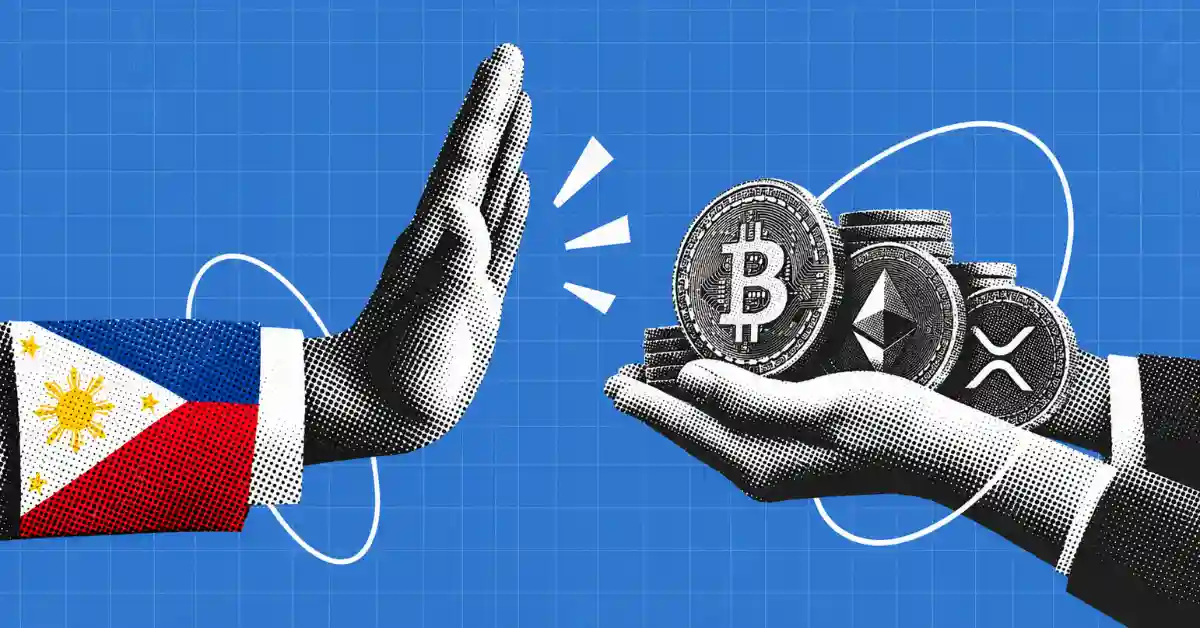
The Philippines central bank is proposing a 12-month freeze on new payment system operators as it moves to tighten controls around digital payments and crypto businesses.
The plan would also put stricter checks on payment arrangements involving regulated virtual asset firms, with stronger monitoring and transaction limits.
On 7 September, the Bangko Sentral ng Pilipinas (BSP) released the draft circular, saying the pause would give it time for a “holistic review” of its payment operator classification and licensing framework.
Under the proposal, the BSP would stop accepting and processing new Operator of Payment System (OPS) applications for 12 months. Applications submitted before the freeze could still be reviewed, but the regulator would not approve or reject them until the pause ends.
The draft also says businesses cannot begin activities requiring OPS registration during the freeze unless the BSP gives separate approval.
The primary driver behind this regulatory step is a structural push to reduce risks at the points where Virtual Asset Service Providers (VASPs) interact with traditional fiat banking rails.
Under the proposed rules, banks and regulated payment providers would have to deal directly with licensed crypto firms, cutting out third-party or layered payment arrangements.
Only VASPs approved by the BSP, SEC, or other approved regulatory authorities would be allowed to access these payment rails. Unregistered and offshore crypto platforms would be blocked.
All direct crypto payment merchant relationships will be subjected to intense enhanced due diligence, closer transaction monitoring, and settlement limits to prevent unchecked liquidity flight.
The proposed rules go beyond crypto. The BSP also plans to create a National QR Code Merchant Database containing merchant identities, business registration details, payment providers, settlement accounts, and risk classifications.
The aim is to help financial institutions identify merchants and track payment flows more clearly. The draft says the BSP wants payment activity to remain traceable from the merchant receiving the money to the institution processing the transaction.
The proposal is still open for feedback and is not yet final. If approved, the rules would take effect 15 days after publication, while the new OPS application freeze would run for 12 months.
CoinPedia has been delivering accurate and timely cryptocurrency and blockchain updates since 2017. All content is created by our expert panel of analysts and journalists, following strict Editorial Guidelines based on E-E-A-T (Experience, Expertise, Authoritativeness, Trustworthiness). Every article is fact-checked against reputable sources to ensure accuracy, transparency, and reliability. Our review policy guarantees unbiased evaluations when recommending exchanges, platforms, or tools. We strive to provide timely updates about everything crypto & blockchain, right from startups to industry majors.
All opinions and insights shared represent the author's own views on current market conditions. Please do your own research before making investment decisions. Neither the writer nor the publication assumes responsibility for your financial choices.
Sponsored content and affiliate links may appear on our site. Advertisements are marked clearly, and our editorial content remains entirely independent from our ad partners.
VeChain (VET) is approaching a critical technical test as investors look for blockchain projects that…
Render Token (RENDER) is approaching a crucial test on the weekly chart, with price action…
The Federal Reserve may hold interest rates steady in October, with markets putting the odds…
Netflix (NFLX) stock is facing renewed selling pressure ahead of its upcoming earnings report, as…
Former Ripple CBDC adviser Anthony Welfare says the XRP Ledger (XRPL) has the technology to…
Bitcoin price today has fallen below $81,000, touching a low near $80,250. Meanwhile, U.S. spot…
