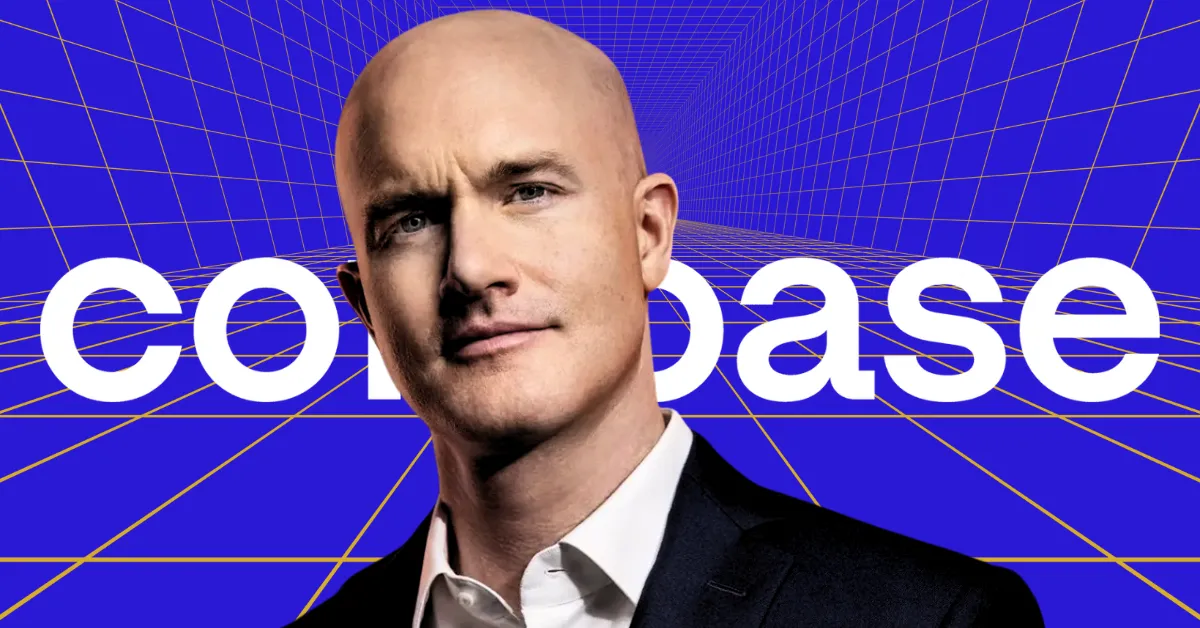
Not the banks. Not the stablecoin rewards fight everyone was watching for months. In his first interview since the Senate’s 49-50 vote, the Coinbase CEO pointed somewhere else entirely.
Here’s what most people don’t know. The White House actually put a genuine ethics deal on the table. Real restrictions on the president and elected officials issuing or promoting tokens and memecoins. A requirement to park those holdings in a blind trust. Actual enforcement power handed to state attorneys general.
Armstrong figured Democrats would reject it outright. Instead, some told him privately they wanted more.
“This was really about politics at the end of the day,” he said. And the frustrating part? None of it touched the bill’s actual substance, market structure, consumer protections, new tools for law enforcement. By his count, both sides had already agreed on 95% of it.
Here’s The Part That Should Actually Bother People
Voting the bill down didn’t strengthen ethics rules. It erased them.
No CLARITY Act means no blind trust requirement. No AG enforcement. Trump, Hunter Biden, anyone, can keep doing exactly what the bill was written to stop.
Armstrong said he made this exact point to several Democratic senators directly: “A vote against this bill is basically saying there should be no ethics restrictions whatsoever.” His read on the outcome? Blocking the bill “arguably gave [Trump] an even bigger win” than just letting it pass would have.
Every Single Democrat Voted No. Including Her.
49-50. Every Democrat, block vote, zero defectors. Armstrong singled out Senator Kirsten Gillibrand’s no vote as the one that actually stopped him in his tracks, “shocking,” watched “in disbelief.”
And here’s the detail people keep forgetting: this wasn’t even the final bill. It was a motion to proceed. A yes vote just meant “let’s keep talking, let’s keep amending.” A no vote meant something much starker. “The votes who voted no said we don’t even want to proceed at all, even discussing it,” Armstrong said. “A real disappointment.”
So Is It Actually Over?
Senator Thom Tillis is reportedly trying to resurrect it. Armstrong’s honest take: assume it’s dead until proven otherwise.
His real hope now sits with the SEC and CFTC, both of which have already signaled they’re done waiting on Congress and are moving to write rules under their own authority. He’s framing that as democracy working as designed, not a plan B. “If one branch of government is not going to deliver a solution for the American people, another branch can step up.”
Will A New Congress Fix This?
Don’t count on it, Armstrong says. Any future bill still needs the Senate, House and president all pulling in the same direction, a bar this Congress couldn’t clear even with 95% agreement already locked in. His bet is that regulators move first, legislation, if it ever comes, comes later. And weirdly, he thinks the regulatory route might end up more permissive in the short run than CLARITY would have been.
Crypto markets are taking a hit, and Bitcoin price pressure could deepen if macroeconomic headwinds…
AI could change the cryptography risk equation faster than expected. The warning isn't a call…
More than $200 billion has left the crypto market in the past 48 hours. Bitcoin…
NEAR Protocol price has pulled back sharply after spending several weeks consolidating between $5 and…
Macro Analyst Jim Willie, known for some of the boldest calls in the XRP community,…
The Bitcoin funding rate on Binance has plunged to approximately -0.00215, its lowest level since…
