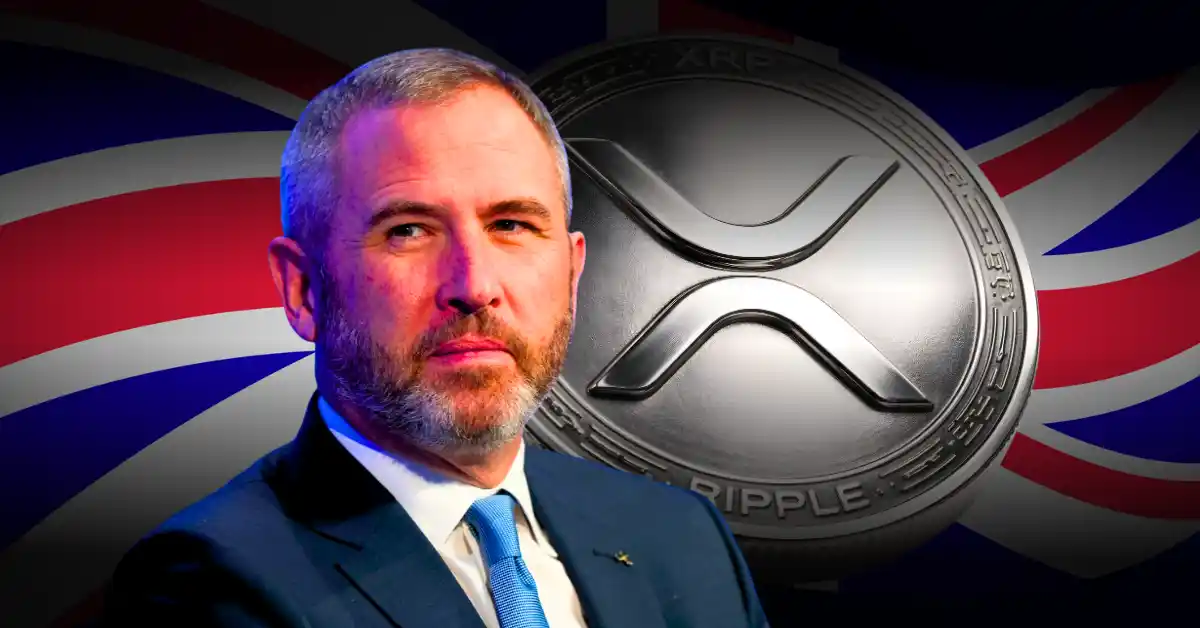
XRP is again making headlines after a heated debate on the Bradley Martyn Podcast reignited one of crypto’s most divisive questions:
Is XRP a revolutionary payment network… or just a well-packaged pyramid scheme?
The conversation didn’t hold back. At one point, XRP was bluntly described as “a pyramid scheme” where insiders allegedly dump tokens on retail investors. That accusation hit a nerve in a community that has spent years defending the project.
But is there substance behind the claim?
Supporters point to XRP’s fundamentals. The token was designed for speed, low transaction costs, and cross-border payments. Transactions settle in seconds. Fees are fractions of a cent. Compared to traditional bank wires that take days, that’s a serious technological upgrade.
Critics, however, zero in on one issue: Ripple’s XRP sales.
Ripple, the company closely associated with XRP, periodically releases tokens from escrow and sells portions into the market. Detractors argue this creates constant sell pressure and suppresses long-term price growth.
For years, some investors have believed this ongoing supply flow keeps XRP from reaching the explosive highs seen in coins like Bitcoin.
Supporters counter that the narrative is outdated. They argue Ripple’s sales are structured, transparent, and often directed toward institutional partners rather than random open-market dumping. From their perspective, XRP distribution fuels ecosystem growth rather than drains it.
One of the more interesting angles raised in the podcast wasn’t about price. It was about power.
If XRP truly aims to modernize global payments, why would governments or major banks rely on infrastructure tied to a private company? Why not build their own systems?
The skepticism is simple: Governments like control. Banks like profit. Why outsource the future of money?
On the flip side, crypto history shows institutions often adopt existing rails instead of reinventing the wheel. The internet itself wasn’t rebuilt by every government. It was adopted.
So the debate becomes philosophical:
The podcast also touched on another controversial idea: could XRP replace Bitcoin?
That comparison sparks immediate pushback from both camps.
Bitcoin positions itself as decentralized digital gold. XRP focuses on liquidity and cross-border settlement. They solve different problems. Framing XRP as a Bitcoin replacement may oversimplify what each asset is designed to do.
Still, the mere suggestion fuels speculation. Some believe institutions could elevate a more scalable, compliance-friendly asset over Bitcoin if global finance shifts dramatically.
Others see that as wishful thinking.
Calling XRP a Ponzi scheme is not new. The claim usually hinges on two points:
However, a Ponzi scheme requires guaranteed returns funded by new investor money. XRP does not promise fixed profits. Its price fluctuates freely on the market. That alone complicates the comparison.
That does not mean criticism is invalid. Concerns about transparency, token distribution, and corporate influence are legitimate discussion points in any crypto project.
But labeling it outright fraud oversimplifies a complex ecosystem that has survived regulatory battles, market crashes, and years of scrutiny.
CoinPedia has been delivering accurate and timely cryptocurrency and blockchain updates since 2017. All content is created by our expert panel of analysts and journalists, following strict Editorial Guidelines based on E-E-A-T (Experience, Expertise, Authoritativeness, Trustworthiness). Every article is fact-checked against reputable sources to ensure accuracy, transparency, and reliability. Our review policy guarantees unbiased evaluations when recommending exchanges, platforms, or tools. We strive to provide timely updates about everything crypto & blockchain, right from startups to industry majors.
All opinions and insights shared represent the author's own views on current market conditions. Please do your own research before making investment decisions. Neither the writer nor the publication assumes responsibility for your financial choices.
Sponsored content and affiliate links may appear on our site. Advertisements are marked clearly, and our editorial content remains entirely independent from our ad partners.
Story Highlights The live price of the CFX crypto is . Conflux price could reach…
Story Highlights The PENDLE price today is Pendle Coin's price could hit a maximum of…
Maelstrom founder Arthur Hayes has dumped $22.28 million in altcoins, including ETH, ENA, ETHFI, UNI…
Bitcoin price has tumbled toward $80,000 as institutional outflows, leveraged liquidations, and a broader market…
Cryptocurrency exchange HTX has added Russia to its list of restricted jurisdictions, giving the crypto…
Argentina's LIBRA crypto scandal has taken a major turn after a federal judge dismissed the…