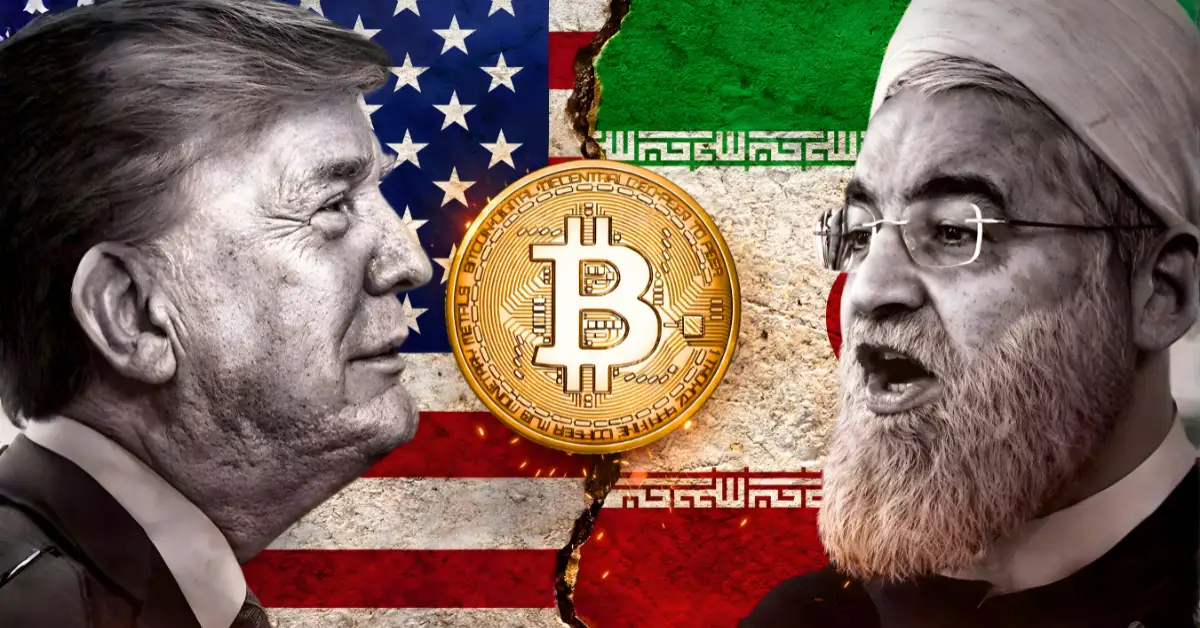
After 116 days of conflict, airstrikes, and blockade over blockade around the Strait of Hormuz, the U.S and Iran have finally agreed to end the ongoing war on all fronts. Both have reached a memorandum of understanding to end the conflict that began on February 28, 2026.
Here are the key terms reportedly included in the US-Iran peace deal memorandum.
According to the terms of the memorandum of understanding (MOU), both sides have agreed to an immediate halt in military activity across multiple fronts, including Lebanon.
The agreement reportedly includes,
A final signing is reportedly planned for June 19 in Geneva, with U.S. Vice President JD Vance expected to attend.
Notably, the next round of talks will focus mainly on Iran’s nuclear program and possible sanctions relief, with both sides entering a 60-day negotiation period.
Meanwhile, discussions about Iran’s missile program and support for regional armed groups have been dropped from the agenda
Following news of the peace deal, both the stock and crypto markets showed signs of relief. Bitcoin jumped back to its highest level in two weeks and is now trading around $65,763.
While everyone seems to welcome the announcement, the biggest challenge may come from Israel.
Israeli officials have already stated that they are not bound by the U.S.-Iran agreement regarding Hezbollah or military operations in southern Lebanon.
Israel’s defense minister also stated that Israeli forces would not immediately withdraw from areas currently under military control.
That means the ceasefire framework may reduce tensions between Washington and Tehran, but it does not guarantee stability across the wider region. The deal has delivered relief, but whether it delivers lasting peace remains an open question.
The U.S. government is heading toward another shutdown, with federal funding set to expire on…
BlackRock’s investors have sold cryptocurrencies worth more than $22 billion so far in November 2026,…
The XRP Ledger lending system is getting closer to deployment, but don't confuse a countdown…
LayerZero's native token, ZRO, is approaching a crucial milestone as it trades near $1.10, up…
Monero took a sharp hit on November 26, with the KuCoin Monero delisting announcement landing…
Story Highlights Bitcoin is currently trading at: Bitcoin holds near $65K in 2026, signaling weakness.…