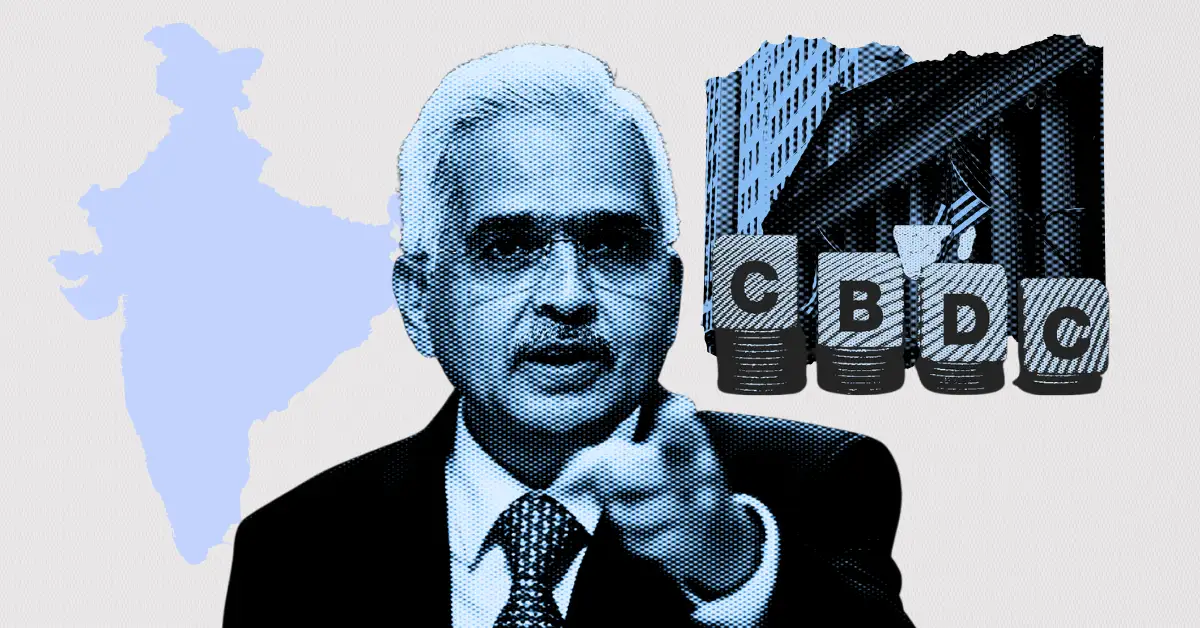
The Reserve Bank of India (RBI) Governor, Sanjay Malhotra, has issued a strong public warning against the rising adoption of cryptocurrencies and stablecoins in India, citing their “huge risk” to national financial stability and monetary policy, if not handled carefully.
While the US is planning to make Bitcoin a strategic reserve, India is choosing a slow and cautious approach, and the reason is simple, safety first.
In a recent memorial lecture at the Delhi School of Economics, the RBI Governor warned that private digital assets, including crypto and dollar-backed stablecoins, can affect the financial stability of countries.
According to economists, if people start using dollar-based stablecoins widely, it might weaken the power of local currencies and influence global monetary policies in ways India cannot control.
If too many people choose digital dollars instead of the Indian rupee, it could create serious challenges in the future.
RBI Deputy Governor T. Rabi Sankar added to these concerns. He said unbacked cryptocurrencies have no real value, and even stablecoins backed by assets can still reduce a country’s monetary power. According to him, they could lead to policy problems that are “best avoided.”
Despite its concerns about private crypto, the RBI is not against digital money itself. In fact, it strongly supports India’s own Central Bank Digital Currency (CBDC), a digital version of the rupee.
For RBI, CBDC is the safer and smarter path because:
In public forums, such as the recent International Monetary Fund and World Bank meetings, Malhotra has called on other nations’ central banks to prioritize CBDCs rather than stablecoins for cross-border payments, citing better control over policy and financial integrity.
Even though RBI is sharing strong warnings, the final call will not be taken by RBI alone. The government will decide the rules for crypto in India after more discussions with financial experts.
Right now, RBI’s message is clear, move carefully, avoid risks, and protect people from possible financial shocks.
RBI warns that crypto and stablecoins can threaten financial stability and weaken India’s monetary control if widely adopted.
RBI supports the Central Bank Digital Currency as safe, fully controlled, and strengthens India’s financial sovereignty.
Yes. Wide use of crypto or dollar-backed stablecoins can limit RBI’s control over currency and financial policy.
The White House has released a new cybersecurity framework titled President Trump’s Cyber Strategy for…
World’s largest asset manager, BlackRock, with AUM of $14 trillion, has limited withdrawals from its…
Story Highlights The price of the SUSHI token is . The Sushiswap price could hit…
Story Highlights The live price of the Jasmy token is . If the descending structure…
The crypto market is under pressure again after a brief recovery attempt earlier this week.…
Story Highlights The live price of SUI crypto is . SUI shows strong bullish momentum…