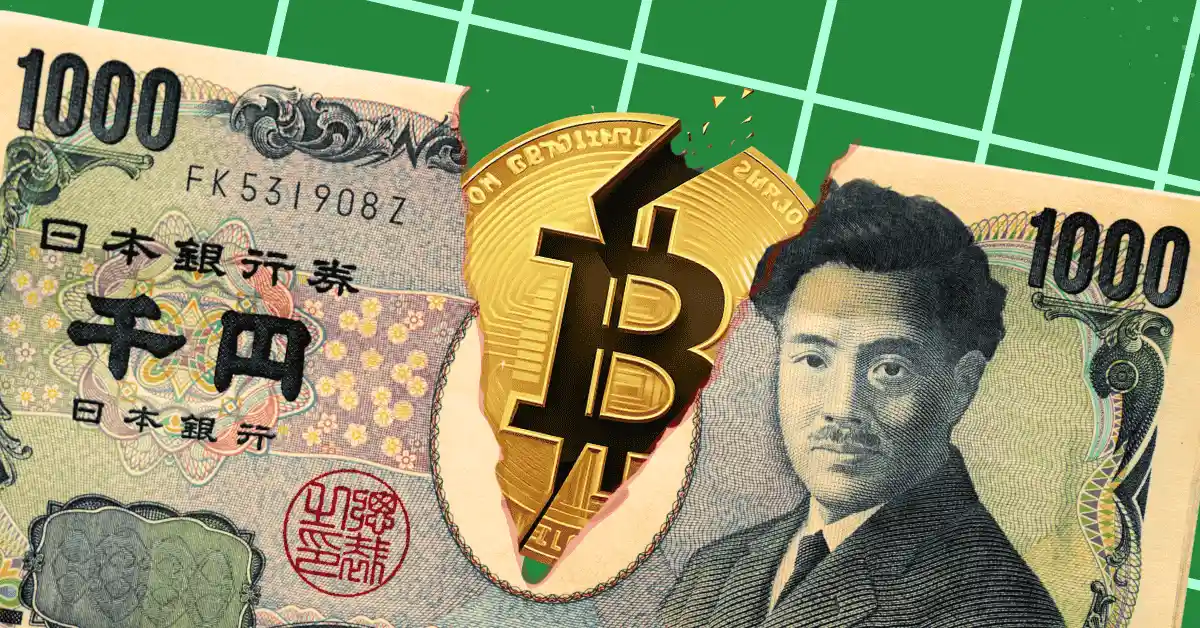
Cryptocurrency markets are facing heightened volatility as the Bank of Japan (BOJ) prepares to raise interest rates, a move that could have ripple effects on Bitcoin, Ethereum, XRP, and other digital assets globally.
Japan has maintained ultra-low interest rates for decades to stimulate economic growth through cheap borrowing. However, rising inflation and a weakening yen have prompted the BOJ to signal a rate hike. Economists predict a 0.25% increase from the current 0.5%, potentially reaching 0.75%, the highest level in decades.
The rate increase, although seemingly small, represents a major shift in Japan’s monetary policy and is expected to influence both local and global financial markets.
Cryptocurrency markets thrive on liquidity, with cheap money fueling investments in high-risk assets. When central banks tighten monetary policy, borrowing costs rise and liquidity dries up. Historically, these conditions trigger sell-offs in speculative markets, including crypto.
Bitcoin often feels the first impact. During the 2022 U.S. Federal Reserve rate hikes, Bitcoin prices plunged from over $60,000 to under $20,000 in a matter of months. Analysts say a similar effect could be seen if the BOJ proceeds with the anticipated hike.
A stronger yen could also impact global carry trades. Investors often borrow yen at low rates to invest in higher-yielding assets such as U.S. stocks or crypto. A rate hike may reverse these trades, creating additional selling pressure in crypto markets.
“This is not isolated to Japan,” said one market analyst. “Japan is the world’s third-largest economy, so their moves create ripples.”
As of Dec 17, cryptocurrency markets are showing early signs of stress. Bitcoin is trading around $86,589, down over 1% in the past 24 hours. Ethereum has fallen to $2,834, losing more than 4% of its value. XRP is also under pressure, trading at $1.86 with a decline of nearly 4%. The total market capitalization of cryptocurrencies stands at $2.92 trillion.
A BOJ rate hike can reduce global liquidity, often pressuring risky assets like crypto as investors shift toward safer, yield-bearing investments.
Yes, tighter monetary policy can increase volatility and selling pressure, especially if global investors reduce exposure to speculative assets.
Not necessarily. Short-term volatility may rise, but long-term crypto trends still depend on adoption, innovation, and global demand.
Tether’s USDT supply fell to $183.7 billion in February, down 1.7% from January, marking its biggest…
Bitcoin price climbs back above $68,000, registering a 1.8% gain today. On the surface, it…
MYX Finance has emerged as one of the top-performing altcoins today, with the MYX Finance…
A draft bill circulating in Washington signals that the crypto industry is heading toward its…
The XRP price isn’t behaving like the rest of the market. While the broader crypto…
The latest discussion around the U.S. economy is revealing a sharp divide. On one side,…

