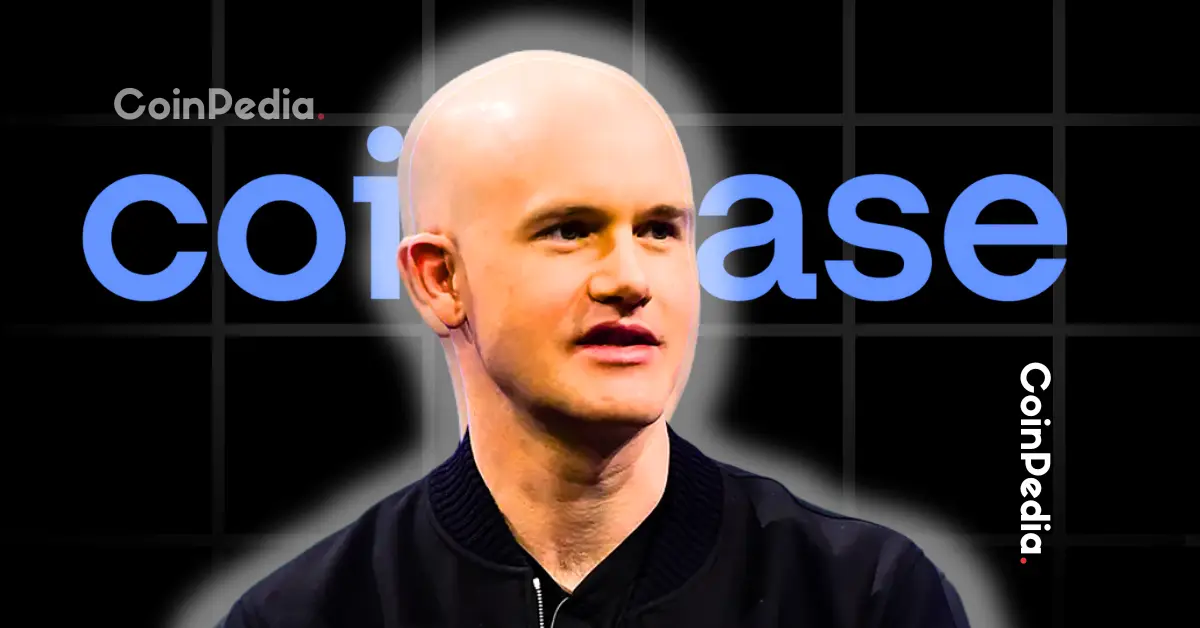
Brian Armstrong has never been shy about his ambitions, and today the Coinbase CEO dropped a lengthy thread this week outlining eight “jobs not done” in modern finance, and honestly? Some of it reads like a crypto greatest-hits album you’d find in a 2017 time capsule. Tokenization of real-world assets, 24/7 global trading, next-gen stablecoin payments, yeah, sound familiar to anyone who’s been around this block?
Armstrong wants stocks, bonds, and real estate fully onchain. Instant settlement, fractional ownership, the whole pitch we’ve been hearing since the first ICO boom went bust. He’s betting big on pooled global liquidity and AI-powered compliance tools to finally bridge TradFi and blockchain. It’s ambitious, no doubt. It’s also exactly what every shiny DeFi whitepaper promised before vaporware became an acceptable art form.
The Coinbase chief didn’t stop at the tech stack, though. He’s calling loudly for “innovation-friendly regulation” that are risk-based rules instead of the current one-size-fits-all approach that stifles everything. Self-custodial wallets for everyone with a smartphone. Expanded access, reduced middlemen, actual financial inclusion. Noble goals, sure, but Washington moves slower than a Bitcoin block during network congestion, and we’ve got the scars to prove it.
Then there’s the inflation hedge pitch, naturally. Armstrong frames crypto as “sound money” discipline against fiat failures and government printing presses run amok. Capital formation for startups. Agentic payments zipping across borders. The vision is comprehensive, almost utopian in its scope. But here’s the uncomfortable thing: we’ve had the technology for years now. What we actually lack is the regulatory clarity and institutional will to make any of this mainstream.
Coinbase CEO Brian Armstrong knows this won’t happen overnight, which might be the understatement of the decade. Tech innovation and policy work needs workup per his words. Until then, it’s another pretty roadmap in a space already cluttered with maps leading absolutely nowhere.
That said, this sudden urgency also underscores Coinbase’s growing frustration with the regulatory gridlock at home. As the SEC continues to stall approvals on tokenized stock trading in the U.S., Armstrong’s blueprint reads like an ultimatum to domestic regulators: adapt or watch American capital migrate.
By championing decentralized self-custody and global liquidity pools, the Coinbase chief is making it clear that if the U.S. won’t build innovation-friendly guardrails, crypto infrastructure will simply bypass traditional gatekeepers altogether, leveraging emerging financial hubs to construct the new system anyway.
CoinPedia has been delivering accurate and timely cryptocurrency and blockchain updates since 2017. All content is created by our expert panel of analysts and journalists, following strict Editorial Guidelines based on E-E-A-T (Experience, Expertise, Authoritativeness, Trustworthiness). Every article is fact-checked against reputable sources to ensure accuracy, transparency, and reliability. Our review policy guarantees unbiased evaluations when recommending exchanges, platforms, or tools. We strive to provide timely updates about everything crypto & blockchain, right from startups to industry majors.
All opinions and insights shared represent the author's own views on current market conditions. Please do your own research before making investment decisions. Neither the writer nor the publication assumes responsibility for your financial choices.
Sponsored content and affiliate links may appear on our site. Advertisements are marked clearly, and our editorial content remains entirely independent from our ad partners.
Bitcoin (BTC) is down 2% in the last 24hours, trading at $81,698 after US inflation…
Richard Heart, the founder of PulseChain, Hex and PulseX, was today arrested in Istanbul, Turkey…
Ethereum scaling is a big opportunity, but betting on the right infrastructure isn't as simple…
Chainlink price is approaching a key technical test, with traders watching whether LINK can hold…
Bittensor is showing a tremendously split personality and the reason behind that is its rising…
NEAR price has displayed an exceptionally strong rally since the last two months. Now it…
