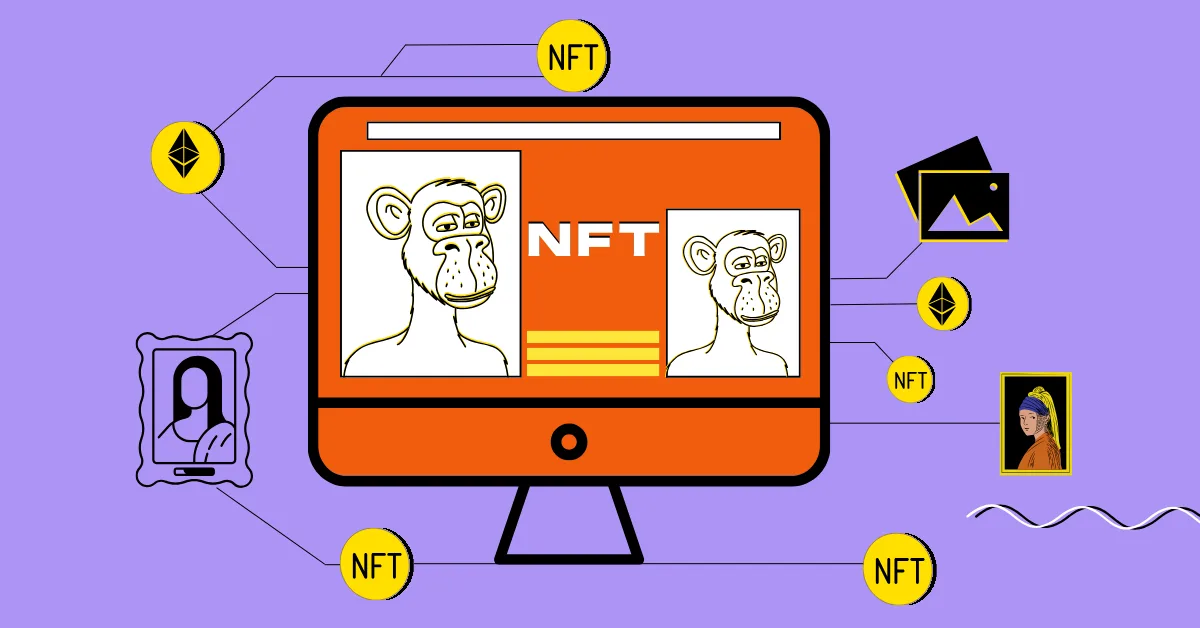
An NFT marketplace is an online platform where users can buy, sell, mint, and trade Non-Fungible Tokens (NFTs). These digital assets are stored on a blockchain and represent ownership of unique items such as digital art, music, collectibles, gaming assets, videos, virtual real estate, and more.
NFT marketplaces work similarly to eCommerce platforms like Amazon or eBay, except they specialize in blockchain-based digital assets instead of physical products.
NFT stands for Non-Fungible Token.
A non-fungible asset is unique and cannot be exchanged on a one-to-one basis with another asset.
For example:
NFTs can represent:
Ownership is recorded permanently on a blockchain, making it transparent and verifiable.
Most NFT marketplaces follow the same process.
Register on an NFT marketplace.
Popular wallets include:
The wallet stores your NFTs and cryptocurrency.
Explore trending creators, collections, and categories.
You can:
After payment is confirmed, the NFT is transferred to your wallet.
NFT marketplaces have transformed digital ownership by allowing creators and collectors to interact directly.
Key benefits include:
For creators, NFTs provide a way to monetize digital work while retaining greater control over distribution and revenue.
Best for: Beginners and general NFT trading
OpenSea is the world’s largest NFT marketplace with millions of NFTs across multiple categories including art, gaming, collectibles, and virtual worlds.
Pros
Best for: Independent creators
Rarible offers community governance and makes NFT minting simple.
Pros
Best for: Premium digital artists
Foundation focuses on curated digital artwork and high-quality NFT collections.
Pros
Best for: Sports collectibles
NBA Top Shot allows fans to own officially licensed NBA highlight moments.
Ideal for basketball enthusiasts and sports collectors.
Best for: Blockchain gaming
Players buy, sell, and trade Axie characters, land, and gaming assets.
Popular among play-to-earn gamers.
To purchase NFTs, you’ll need:
A crypto wallet
Examples:
Cryptocurrency
Most marketplaces accept:
Some platforms also support credit card purchases for selected NFTs.
Yes.
Most NFT marketplaces allow creators to mint digital assets and list them for sale.
Typical process:
Once sold, payment is transferred to your crypto wallet after marketplace fees.
NFT marketplaces have made buying, selling, and owning digital assets more accessible than ever. Whether you’re a creator looking to monetize your work or a collector exploring digital ownership, understanding how these platforms operate is the first step.
Start with a trusted marketplace, learn how crypto wallets work, and research projects carefully before making purchases. While NFTs offer exciting opportunities, it’s important to understand the technology, costs, and risks involved.
An NFT marketplace is a platform where users can buy, sell, and create NFTs using blockchain technology and crypto wallets for secure transactions.
OpenSea and Rarible are great for beginners due to their user-friendly interfaces, low barriers to entry, and wide variety of digital assets.
Yes, most NFT marketplaces require cryptocurrency, like Ethereum (ETH), which you store in a digital wallet to complete transactions.
Yes! You can mint your artwork on platforms like OpenSea, Rarible, or Foundation and set a price or auction it for potential buyers.
Reputable marketplaces are generally safe, but users should beware of scams, fake NFTs, and high gas fees when trading digital assets.
The WLD price is approaching a make-or-break zone. The weekly chart shows resistance between $0.56…
The NEAR price is pushing higher again after bouncing from $4.34 support, and bulls are…
NEAR Protocol (NEAR) & Worldcoin (WLD) prices have turned out to be among the top…
How can beginners participate in computing infrastructure and earn rewards without buying mining equipment or…
China could become a major driver of the next crypto market cycle if it finds…
Amazon (AMZN) stock climbed 3.29% on Friday, putting its next major resistance level at $280…